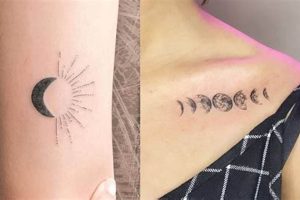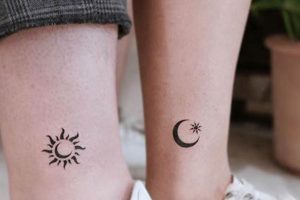



Tattoos inspired by arid landscapes encompass a wide range of imagery, from cacti and succulents to scorpions and snakes. Representations of wind-swept dunes, mirages, and iconic desert flora and fauna offer visually compelling designs. Geometric patterns evocative of traditional Southwestern art also fall under this category, as do celestial elements like the sun, moon, and stars, often prominently featured in desert cultures.
Such designs can hold deep personal meaning. They can represent resilience, adaptability, and the beauty found in harsh environments. Historically, desert imagery has been significant in various cultures, symbolizing both the challenges and spiritual significance of these landscapes. Choosing a design with cultural sensitivity and understanding its historical context adds depth and authenticity.
This exploration delves further into popular motifs, stylistic choices, and symbolic interpretations associated with arid landscape body art. Consideration is given to color palettes, placement options, and the importance of collaborating with a skilled tattoo artist to achieve a unique and meaningful representation of the desert’s allure.
1. Cacti and Succulents

Cacti and succulents serve as prominent motifs in desert-themed tattoos, embodying resilience, adaptability, and the unique beauty of arid environments. Their diverse forms, textures, and symbolic meanings offer a rich source of inspiration for body art.
- Visual Appeal and Variety
The striking silhouettes of cacti, ranging from towering saguaros to compact barrel cacti, provide visually compelling tattoo designs. Succulents, with their intricate rosettes and fleshy leaves, add a softer, more delicate touch. The varied textures and shapes of these plants allow for creative interpretations, from minimalist line drawings to highly detailed, realistic depictions.
- Symbolism of Resilience
Cacti and succulents thrive in harsh conditions, symbolizing endurance and the ability to flourish even in adversity. These plants store water efficiently, representing strength and self-sufficiency. In tattoo art, they can signify overcoming challenges, adapting to change, and finding beauty in unexpected places.
- Cultural Significance
In many cultures, cacti and succulents hold specific symbolic meanings. For example, some Native American tribes view certain cacti as sacred symbols of protection and healing. Researching the cultural significance of specific plants can add layers of meaning to a tattoo design.
- Stylistic Versatility
Cacti and succulents lend themselves to various tattoo styles, from traditional American and neo-traditional to minimalist, geometric, and watercolor. They can be incorporated into larger desert scenes or stand alone as focal points. The choice of style can further personalize the tattoo and reflect individual preferences.
Ultimately, incorporating cacti and succulents into desert tattoo designs allows for a deeply personal and visually striking expression of the desert’s captivating essence. These plants, with their unique beauty and symbolic power, represent not only the harsh realities of arid environments but also the enduring life force that thrives within them. Their versatility within various tattoo styles further enhances their appeal as enduringly popular motifs.
2. Animals (snakes, scorpions)
Desert fauna, particularly snakes and scorpions, frequently appear in tattoo art inspired by arid landscapes. These creatures represent the inherent dangers and captivating beauty of the desert ecosystem, offering powerful symbolic representations of survival, transformation, and hidden strength.
- Symbolism and Meaning
Snakes often symbolize transformation, rebirth, and healing due to their shedding skin. Scorpions, with their venomous stingers, represent protection, power, and resilience. In desert cultures, these animals often hold spiritual significance, embodying the balance between danger and resilience within the harsh environment. A rattlesnake, for example, might symbolize warning and awareness, while a scorpion could represent defense and survival.
- Visual Representation
The sinuous form of a snake and the segmented body of a scorpion offer dynamic and visually striking tattoo designs. They can be stylized in various ways, from realistic depictions emphasizing intricate details to more abstract or geometric interpretations. A coiled rattlesnake tattoo can convey a sense of imminent danger or readiness, while a scorpion with raised claws might represent defiance and strength.
- Cultural Significance
Specific species hold different meanings within various cultures. For instance, the horned viper holds a significant place in ancient Egyptian mythology, representing royalty and divinity. Careful research into the cultural context of the chosen animal ensures respectful representation and avoids misappropriation of symbols.
- Placement and Composition
The placement of the tattoo can further enhance its symbolic meaning. A snake coiled around the arm or leg might suggest protection or embrace, while a scorpion positioned on the back could represent a hidden strength or warning. Incorporating other desert elements, like cacti or flowers, can create a more complex and evocative composition.
Incorporating desert animals like snakes and scorpions into tattoo designs offers a potent way to express connection with the desert’s unique character. These creatures symbolize the duality of danger and resilience, reminding us of the strength and adaptability required to thrive in challenging environments. Careful consideration of their symbolic meanings and cultural relevance ensures a powerful and respectful representation of these iconic desert inhabitants within the broader context of arid landscape-inspired body art.
3. Geometric patterns

Geometric patterns hold a significant place in desert-inspired tattoo art, reflecting the rich history, cultural heritage, and artistic traditions of civilizations that have thrived in arid landscapes. These patterns frequently draw inspiration from indigenous art forms, pottery, weaving, and architectural motifs found in desert regions worldwide, notably the American Southwest, North Africa, and the Middle East.
The incorporation of geometric patterns into desert tattoos offers several aesthetic and symbolic possibilities. Intricate lines, shapes, and repeating motifs create visually captivating designs that complement the organic forms of cacti, succulents, and desert animals. These patterns can represent the interconnectedness of life in the desert, the cyclical nature of time, and the spiritual beliefs of desert cultures. For instance, a tattoo featuring a diamondback rattlesnake intertwined with a geometric pattern inspired by Navajo weaving could symbolize the snake’s protective role in the desert ecosystem and the rich artistic heritage of the Navajo people. Similarly, incorporating Berber or Islamic geometric patterns could represent the cultural identity and artistic traditions of North African and Middle Eastern communities.
Understanding the cultural context and historical significance of specific geometric patterns is crucial for respectful and meaningful tattoo design. Appropriating cultural symbols without understanding their meaning can be offensive and disrespectful. Thorough research and consultation with cultural experts or knowledgeable tattoo artists are essential for ensuring authenticity and avoiding misappropriation. Geometric patterns, when thoughtfully integrated into desert tattoo designs, offer a powerful way to celebrate the artistic heritage and cultural resilience of communities connected to these unique environments. They provide a visual language that connects the wearer to the history, spirituality, and enduring beauty of the desert landscape.
4. Landscape elements (dunes)
Desert landscapes, particularly undulating sand dunes, offer compelling visual inspiration for tattoo designs. These evocative landforms represent the vastness, tranquility, and ever-shifting nature of the desert environment. Capturing the interplay of light and shadow, wind-sculpted curves, and the sheer scale of dune formations presents unique artistic opportunities within the realm of body art.
- Visual Representation of Vastness and Isolation
Rolling dunes evoke a sense of vastness, solitude, and the powerful forces of nature. The rhythmic patterns of sand create a visually captivating scene that can be effectively translated into tattoo art, symbolizing the desert’s expansive, often desolate beauty. Examples include minimalist linework capturing the smooth contours of dunes or more detailed depictions showcasing the texture and interplay of light and shadow.
- Symbolism of Change and Impermanence
Constantly reshaped by wind and weather, dunes represent impermanence and the continuous cycle of change. A dune tattoo can symbolize adaptation, resilience, and the acceptance of life’s transient nature. This symbolism resonates with individuals who embrace change and find beauty in the ephemeral.
- Incorporation of Desert Flora and Fauna
Dune landscapes often feature sparse but resilient vegetation and unique animal life. Integrating these elements into a tattoo design can create a more complete and evocative representation of the desert ecosystem. A tattoo might depict a lone cactus clinging to a dune’s slope or the tracks of a desert creature winding through the sand, adding depth and narrative to the overall design.
- Stylistic Interpretations and Color Palettes
Dune tattoos offer stylistic versatility, ranging from realistic depictions emphasizing texture and detail to more abstract interpretations using lines and geometric shapes. Color palettes can range from the warm, earthy tones of sand and rock to vibrant sunset hues or cool, monochromatic shades. The chosen style and color palette contribute significantly to the overall mood and symbolic meaning of the tattoo.
Dune landscapes offer a powerful and versatile subject for desert-themed tattoos. Whether emphasizing vastness, impermanence, or the intricate details of the desert ecosystem, these landforms provide a compelling canvas for artistic expression. By capturing the unique beauty and symbolic significance of dunes, individuals can create deeply personal and visually striking tattoos that reflect their connection to the desert environment.
5. Celestial bodies (sun, moon)
Celestial bodies, particularly the sun and moon, hold profound symbolic significance within desert cultures and frequently feature prominently in desert-themed tattoo designs. The stark, open landscapes of deserts offer unobstructed views of the sky, emphasizing the celestial cycle’s impact on life and contributing to the spiritual reverence these cultures often hold for the sun and moon. These celestial bodies represent powerful opposing forces: the sun’s life-giving warmth and the moon’s cool, mysterious glow. This duality provides rich symbolic possibilities for tattoo art.
The sun, often depicted in vibrant colors and radiating lines, can symbolize life, energy, growth, and masculine power. In desert cultures, it represents the harsh realities of the environment and the endurance required to thrive under its intense gaze. The moon, typically portrayed in cooler tones and softer lines, symbolizes femininity, mystery, cycles of time, and the hidden aspects of nature. Desert nights, illuminated by the moon, offer a different perspective on the landscape, revealing hidden beauty and the nocturnal life that flourishes under its gentle light. A tattoo depicting both sun and moon can represent balance, harmony, and the interconnectedness of opposing forces. In some cultures, specific constellations also hold significance, representing stories, myths, and ancestral connections to the desert environment. For example, the Pleiades star cluster plays a crucial role in the mythology of several Native American tribes in the Southwest, signifying agricultural cycles and seasonal changes.
Incorporating celestial bodies into desert tattoos offers a powerful way to connect with the spiritual and cultural significance of these landscapes. The sun and moon, with their contrasting yet complementary symbolism, provide rich visual and metaphorical possibilities. Careful consideration of cultural interpretations and artistic styles allows individuals to create deeply personal and meaningful tattoos that reflect their understanding of the desert’s profound connection to the celestial realm. Furthermore, integrating celestial bodies with other desert elements like cacti, animals, or geometric patterns allows for complex and layered designs that tell a unique story and capture the desert’s essence.
6. Cultural symbols

Cultural symbols play a vital role in desert-inspired tattoo designs, adding layers of meaning and connecting the wearer to the rich history and traditions of communities associated with arid landscapes. These symbols can represent spiritual beliefs, ancestral connections, or significant aspects of desert life, enhancing the tattoo’s personal and cultural relevance. However, incorporating cultural symbols requires careful consideration and respect to avoid misappropriation and cultural insensitivity. For instance, specific animal depictions, geometric patterns, or depictions of deities hold deep meaning within various desert cultures. A Hopi sun symbol carries a distinct spiritual significance within Hopi culture, while a scarab beetle motif evokes ancient Egyptian connections to the desert and its life cycle.
The significance of cultural symbols within desert tattoos stems from their ability to convey complex narratives and personal connections to specific heritage. These symbols can represent resilience, adaptation, spiritual beliefs, or respect for the desert environment. A tattoo featuring a stylized version of a Native American dreamcatcher combined with desert flora could symbolize protection, spirituality, and the wearer’s connection to indigenous traditions. Similarly, incorporating elements from Berber or Bedouin cultures, like specific hand-woven patterns or traditional jewelry designs, can express appreciation for their artistry and resilience within the desert environment. Understanding the origins and meanings of these symbols is crucial for creating a respectful and authentic tattoo. Research, consultation with cultural experts, and collaboration with knowledgeable tattoo artists are essential for ensuring appropriate representation and avoiding unintentional offense.
Ultimately, incorporating cultural symbols into desert tattoo designs offers a powerful way to honor and connect with the rich tapestry of human experience within arid landscapes. It allows individuals to express their personal identities, cultural heritage, and appreciation for the desert’s profound influence on human civilizations. However, this practice requires a commitment to respectful representation and a deep understanding of the cultural context to avoid reducing complex symbols to mere aesthetic elements. Thoughtful consideration ensures that these tattoos serve as meaningful expressions of cultural appreciation and personal connection, rather than acts of cultural appropriation.
Tips for Desert Tattoo Designs
Careful planning ensures a meaningful and aesthetically pleasing desert-themed tattoo. Consider these tips before finalizing a design.
Tip 1: Research Symbolism: Thoroughly research the symbolism of chosen elements. A scorpion’s protective meaning differs significantly from a blooming cactus’s representation of resilience. Understanding these nuances adds depth and authenticity.
Tip 2: Collaborate with a Skilled Artist: Seek an artist specializing in the desired style. Discuss ideas and provide reference images. A skilled artist translates concepts into a unique and well-executed design.
Tip 3: Consider Placement and Size: Placement impacts visual impact and symbolism. A sprawling desert landscape suits larger areas like the back, while a single cactus blossom might be ideal for a wrist or ankle. Size should complement the design’s complexity and body placement.
Tip 4: Color Palette Selection: Color significantly affects mood and impact. Warm earth tones evoke the desert’s natural hues, while vibrant colors represent sunsets or stylized interpretations. Black and gray offer a classic, timeless aesthetic.
Tip 5: Cultural Sensitivity: Exercise caution when incorporating cultural symbols. Research thoroughly and ensure respectful representation. Consultation with cultural experts can prevent unintended offense or misappropriation.
Tip 6: Plan for Long-Term Care: Sun exposure can fade tattoo ink. Choose a reputable artist using high-quality inks, and follow aftercare instructions diligently. Regular moisturizing and sun protection maintain vibrancy over time.
Tip 7: Visualize the Complete Design: Consider how individual elements interact to create a cohesive narrative. A balanced composition enhances visual appeal and symbolic impact. Sketching or using digital tools can help visualize the final result.
Following these tips ensures a well-executed, meaningful, and personally resonant desert tattoo design. A thoughtful approach leads to a piece of body art that represents one’s connection to the desert’s unique beauty and symbolism for years to come.
These considerations provide a strong foundation for embarking on the journey of creating a unique and meaningful desert-themed tattoo. The following conclusion synthesizes the key elements discussed and offers final recommendations.
Frequently Asked Questions about Desert Tattoo Designs
This section addresses common inquiries regarding desert-themed tattoo designs, offering practical guidance and clarifying potential concerns.
Question 1: How painful are desert tattoos, especially on areas like the ribs or inner arm?
Pain levels vary based on individual pain tolerance and tattoo location. Areas with thinner skin and closer proximity to bone, such as ribs and inner arms, tend to be more sensitive. Consulting with a tattoo artist regarding pain management techniques is recommended.
Question 2: What are the typical costs associated with desert tattoos of varying sizes and complexity?
Cost depends on factors like size, complexity, artist’s experience, and geographic location. Smaller, simpler designs typically cost less than larger, more intricate pieces requiring multiple sessions. Obtaining quotes from several reputable artists is advisable.
Question 3: How does one select an appropriate color palette for a desert tattoo to achieve the desired aesthetic?
Color palettes evoke different moods and interpretations. Warm earth tones convey realism, while vibrant colors can represent sunsets or stylized elements. Black and gray offer a classic, timeless look. Discussing color preferences with the artist ensures alignment with the desired aesthetic.
Question 4: What are effective aftercare practices to ensure proper healing and longevity of a desert tattoo?
Proper aftercare is crucial for preventing infection and preserving vibrancy. Follow the artist’s specific instructions, which typically include keeping the tattoo clean, moisturized, and protected from sun exposure. Avoid swimming and excessive sweating during the initial healing period.
Question 5: What are the cultural sensitivity considerations when choosing symbols or elements for a desert tattoo?
Research thoroughly to understand the cultural significance of chosen symbols, especially when incorporating elements from other cultures. Consultation with cultural experts can prevent unintentional misappropriation or offense. Prioritizing respectful representation is paramount.
Question 6: How can one ensure the chosen design remains aesthetically pleasing and personally relevant over time?
Choosing a timeless design that resonates deeply with personal values and aesthetics is key to long-term satisfaction. Consider the tattoo’s potential evolution as skin ages. Consulting with a skilled artist about design choices and placement helps ensure a lasting and meaningful result.
Careful consideration of these frequently asked questions, combined with thorough research and open communication with a qualified tattoo artist, contributes significantly to a successful and fulfilling desert tattoo experience. This informed approach ensures a design that holds personal meaning and aesthetic appeal for years to come.
For those interested in exploring additional tattoo design ideas beyond the desert theme, the following resources offer further inspiration and information.
Desert Tattoo Ideas
Exploration of desert tattoo ideas reveals a rich tapestry of symbolic representations, artistic styles, and cultural influences. From resilient cacti and adaptable desert fauna to the vast expanse of dune landscapes and celestial bodies, the desert environment offers a diverse range of motifs for meaningful body art. Careful consideration of symbolism, cultural context, and collaboration with skilled artists ensures designs resonate with personal narratives and aesthetic preferences. Furthermore, understanding proper aftercare practices and cultural sensitivity safeguards both the tattoo’s longevity and respectful representation.
Ultimately, desert tattoo designs offer a powerful medium for expressing connection to the unique beauty, resilience, and spiritual significance of arid landscapes. These designs serve as permanent reminders of the transformative power of nature, the enduring legacy of desert cultures, and the individual journeys reflected in the chosen symbolism. The enduring allure of the desert continues to inspire captivating and deeply personal works of body art.