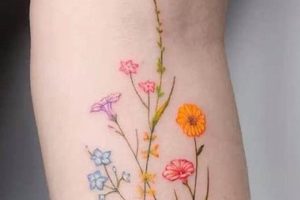



Tattoos inspired by Puerto Rican heritage encompass a rich array of imagery, symbolizing cultural pride, history, and personal connection to the island. Common themes include the coqu frog, the hibiscus flower, the Taino sun symbol, and depictions of traditional instruments or scenes of Old San Juan. These designs can be rendered in various styles, from vibrant colors reflecting the island’s vivacity to intricate black and grey detailing showcasing historical or spiritual elements.
Representing a powerful expression of identity, these visual narratives allow individuals to celebrate their heritage and share their story with the world. They offer a tangible link to ancestral roots, embodying the resilience, artistry, and spirit of the Puerto Rican people. From pre-Columbian symbols to contemporary representations of the island’s flora and fauna, these designs reflect a deep connection to both the past and the present. Historically, body art played a significant role in indigenous Taino culture, and today, contemporary tattooing continues this tradition of expressing identity and belonging.
This exploration delves into the diverse world of designs reflecting Puerto Rican heritage, examining popular motifs, stylistic approaches, and the cultural significance embodied in these permanent works of art.
1. Symbolism

Symbolism lies at the heart of tattoos inspired by Puerto Rican heritage. These designs transcend mere aesthetics, serving as powerful expressions of cultural identity, personal narratives, and ancestral connections. The selection of specific symbols imbues the tattoo with deep meaning, resonating with both the wearer and those familiar with Puerto Rican culture. For instance, the coqu frog, a national symbol, represents the island’s unique sounds and natural beauty. The hibiscus flower, in its vibrant hues, symbolizes passion and femininity, while the Taino sun embodies strength and ancestral wisdom. Incorporating these elements transforms a tattoo into a visual story, narrating a connection to Puerto Rico’s rich history and vibrant culture.
Choosing culturally significant symbols allows individuals to honor their heritage and express their pride in their roots. A single image can evoke a multitude of associations, from the resilience of the Puerto Rican people to the island’s vibrant artistic traditions. These symbols also serve as a means of education and cultural preservation, prompting conversations and raising awareness about Puerto Rican history and identity. The selection process often involves meticulous research and reflection, ensuring the chosen symbols accurately represent the individual’s personal narrative and resonate with their understanding of their heritage. This careful consideration adds layers of depth and significance to the tattoo, transforming it into a powerful statement of cultural affirmation.
Understanding the symbolism embedded within these designs provides a deeper appreciation for their cultural relevance and artistic value. From historical emblems to contemporary representations of the islands flora and fauna, each element contributes to a complex tapestry of meaning. This symbolic language allows individuals to communicate their connection to Puerto Rico in a profound and visually compelling manner, ensuring that their heritage remains a vibrant and celebrated part of their identity.
2. Placement

Placement plays a crucial role in the overall impact of tattoos inspired by Puerto Rican heritage. Consideration of body contours, visibility preferences, and the design’s composition contributes to a harmonious and aesthetically pleasing result. Strategic placement enhances the visual narrative, allowing the tattoo to seamlessly integrate with the individual’s body and personal style.
- Visibility and Discretion
Visibility preferences influence placement choices. Highly visible locations, such as the forearm or calf, allow for open expression of cultural pride. More discreet placements, like the back or ribcage, offer a sense of personal intimacy and allow for larger, more intricate designs. These choices reflect individual comfort levels and the desired balance between public expression and personal significance.
- Body Contours and Design Flow
The natural curves and contours of the body impact how the tattoo design appears. Skilled artists consider these contours, strategically placing elements to complement the body’s form. For example, elongated designs might flow along the spine or curve around the arm, enhancing the visual appeal and creating a sense of movement and fluidity.
- Size and Composition
The size and complexity of the design influence placement decisions. Larger, more intricate pieces, such as depictions of Old San Juan or elaborate Taino patterns, often require larger canvas areas like the back or chest. Smaller, simpler designs, such as the coqu frog or a single hibiscus flower, can be placed on areas like the wrist, ankle, or behind the ear, creating subtle yet meaningful statements.
- Traditional and Symbolic Significance
In some cultures, specific body parts hold symbolic meaning. While less prevalent in contemporary Puerto Rican tattooing, researching potential symbolic associations related to placement can add another layer of depth and meaning to the design. Consulting with experienced tattoo artists familiar with cultural traditions can provide valuable insights into these considerations.
Careful consideration of placement ensures the chosen design harmonizes with the body, enhancing both its aesthetic appeal and cultural significance. By understanding the interplay between placement, design, and personal preferences, individuals can create tattoos that serve as powerful and visually compelling expressions of their Puerto Rican heritage.
3. Color Palette

Color palettes in tattoos inspired by Puerto Rican heritage offer a powerful means of conveying cultural richness and personal expression. The selection of colors significantly impacts the overall aesthetic and symbolic meaning of the design. Vibrant hues, often associated with the island’s tropical landscape and festive traditions, can evoke feelings of joy, vitality, and national pride. Conversely, muted or monochromatic palettes can emphasize historical context, ancestral connections, or spiritual themes. For example, a brightly colored coqu frog might represent the vibrancy of Puerto Rican music and nature, while a black and grey rendition of the Taino sun symbol could evoke a sense of reverence for ancestral heritage. The interplay of colors also plays a vital role; contrasting hues can create visual dynamism, while analogous colors can evoke a sense of harmony and unity.
Specific color choices often carry symbolic weight. Red, for instance, might represent passion, strength, or resistance, while green can symbolize growth, fertility, or connection to the land. Blue, often associated with the ocean surrounding the island, can evoke feelings of tranquility, spirituality, or resilience. The use of traditional pigments and techniques, such as those employed in indigenous Taino body art, can further enhance the cultural significance of the tattoo. Modern interpretations often incorporate a broader spectrum of colors, allowing for greater artistic expression and personalization. For instance, a tattoo featuring the Puerto Rican flag might utilize bold reds, whites, and blues, while a design inspired by the island’s flora might incorporate a range of greens, yellows, and oranges to capture the diversity of its natural beauty.
Careful consideration of color palette elevates these tattoos beyond mere decoration, transforming them into powerful visual narratives. The intentional use of color enhances the symbolic meaning of the chosen design, creating a deeper connection to Puerto Rican heritage. Understanding the cultural significance and emotional impact of different colors allows individuals to create tattoos that resonate with their personal stories and express their pride in their cultural identity.
4. Style (traditional/modern)

Style selection significantly impacts the aesthetic and cultural resonance of tattoos inspired by Puerto Rican heritage. Traditional styles, such as those employed by indigenous Taino artists, often feature bold lines, geometric patterns, and symbolic imagery drawn from nature and spiritual beliefs. These styles emphasize cultural continuity and connection to ancestral practices. Modern styles, on the other hand, offer a broader range of artistic expression, incorporating techniques like realism, watercolor, and neo-traditionalism. These contemporary approaches allow for greater detail, a wider color palette, and the fusion of traditional motifs with modern aesthetics. For example, a traditional Taino sun symbol might be rendered in a bold, black ink style, while a modern interpretation could incorporate vibrant colors, intricate shading, and elements of realism to depict the sun’s rays.
The choice between traditional and modern styles often reflects individual preferences and the specific narrative the wearer wishes to convey. A traditional style might emphasize respect for ancestral traditions and a desire to honor cultural roots. A modern approach, conversely, might represent a contemporary perspective on Puerto Rican identity, blending historical elements with personal artistic expression. For instance, a realistic portrayal of a coqu frog in a natural setting could be combined with traditional Taino patterns to create a design that bridges the past and present. Some artists specialize in specific styles, such as tribal tattooing or contemporary realism, allowing individuals to select an artist whose expertise aligns with their desired aesthetic.
Understanding the nuances of various tattoo styles allows for informed decisions that align with both aesthetic preferences and cultural considerations. Whether honoring ancestral traditions through traditional techniques or embracing contemporary artistic expression through modern styles, the chosen approach contributes significantly to the overall impact and meaning of the tattoo. This careful consideration ensures the final design serves as a powerful and authentic representation of Puerto Rican heritage.
5. Artist Selection
Artist selection holds paramount importance when realizing tattoos inspired by Puerto Rican heritage. A skilled artist specializing in culturally relevant designs possesses the expertise to execute technically proficient and culturally sensitive work. This expertise encompasses not only artistic skill but also a deep understanding of the symbolism, history, and stylistic nuances associated with Puerto Rican iconography. Choosing an artist with a demonstrated understanding of these cultural elements ensures the final tattoo accurately and respectfully represents the intended meaning. For example, an artist familiar with Taino symbolism can guide the design process, ensuring accurate representation and avoiding cultural misappropriation. Conversely, selecting an artist without this specialized knowledge could result in a technically flawed or culturally insensitive tattoo, undermining the intended message and potentially causing offense.
Researching artists’ portfolios and seeking recommendations within the Puerto Rican community helps identify individuals with a proven track record in culturally relevant tattooing. Examining prior work allows potential clients to assess the artist’s technical skills, stylistic approach, and understanding of Puerto Rican iconography. Directly communicating with artists about their experience and cultural sensitivity provides further insight into their suitability. For instance, an artist specializing in black and grey realism might excel at depicting historical figures or scenes from Old San Juan, while an artist skilled in traditional techniques might be better suited for creating Taino-inspired designs. This careful selection process ensures the chosen artist possesses the necessary skills and cultural understanding to create a meaningful and authentic representation of Puerto Rican heritage.
Ultimately, thoughtful artist selection safeguards against misrepresentation and ensures the creation of a tattoo that honors Puerto Rican culture. This decision significantly impacts the final result, influencing not only the tattoo’s aesthetic quality but also its cultural authenticity and personal significance. By prioritizing artists with demonstrated expertise in culturally relevant designs, individuals can confidently embark on the process of creating a tattoo that serves as a powerful and respectful expression of their Puerto Rican identity.
6. Cultural Sensitivity
Cultural sensitivity plays a vital role in the creation of meaningful and respectful tattoos inspired by Puerto Rican heritage. Designs must be approached with awareness and respect for the cultural significance of the chosen imagery. Taino symbols, for instance, hold deep spiritual and historical meaning for the indigenous people of Puerto Rico. Incorporating these symbols without proper understanding or respect can be perceived as cultural appropriation and cause offense. Similarly, using imagery associated with specific historical events or political movements requires careful consideration of their complex context. A lack of cultural sensitivity can trivialize significant aspects of Puerto Rican history and identity.
Real-life examples illustrate the importance of cultural sensitivity. Using a Taino symbol as a purely decorative element without acknowledging its spiritual significance demonstrates a lack of respect for indigenous culture. Similarly, incorporating imagery associated with the struggle for Puerto Rican independence without understanding its historical context can be perceived as trivializing a complex political issue. Conversely, thoughtful and informed choices demonstrate respect for Puerto Rican heritage. Consulting with cultural experts or members of the Puerto Rican community can provide valuable insights and ensure appropriate representation. Thorough research and a genuine desire to understand the cultural context of chosen imagery are essential components of culturally sensitive tattoo design.
Demonstrating cultural sensitivity through informed choices ensures that tattoos inspired by Puerto Rican heritage serve as genuine expressions of respect and appreciation. This approach fosters cultural understanding and strengthens the connection between personal identity and cultural heritage. Failure to prioritize cultural sensitivity can lead to misrepresentation, offense, and the perpetuation of harmful stereotypes. Ultimately, cultural sensitivity remains a critical component of responsible and meaningful tattoo design, ensuring that these permanent expressions of identity honor and celebrate Puerto Rican culture in a respectful and authentic manner.
Tips for Choosing Meaningful Puerto Rican Heritage Tattoos
Careful planning ensures a tattoo inspired by Puerto Rican heritage becomes a powerful and resonant symbol of cultural pride and personal connection. These tips offer guidance for navigating the design process with thoughtful consideration.
Tip 1: Research Thoroughly: Deepen understanding of chosen symbols, ensuring accurate representation and avoiding cultural misappropriation. Explore the rich history of Taino iconography, traditional arts, and contemporary Puerto Rican imagery.
Tip 2: Consult with Cultural Experts: Engage with members of the Puerto Rican community or cultural specialists for insights into the symbolism and historical context of potential designs. This collaboration ensures respectful and authentic representation.
Tip 3: Choose a Specialized Artist: Seek artists with demonstrated experience in culturally relevant tattooing. Examine portfolios for evidence of technical skill, cultural understanding, and sensitivity to the nuances of Puerto Rican iconography.
Tip 4: Prioritize Quality over Cost: View a tattoo as a long-term investment in personal expression and cultural representation. Prioritizing quality craftsmanship ensures a lasting and meaningful piece of art.
Tip 5: Consider Placement Carefully: Reflect on visibility preferences, body contours, and the design’s composition. Strategic placement enhances both the aesthetic appeal and the symbolic meaning of the tattoo.
Tip 6: Explore Color Palette Options: Understand the cultural significance and emotional impact of different colors. Vibrant hues can evoke the island’s vibrancy, while muted tones can emphasize historical or spiritual themes.
Tip 7: Reflect on Style Choices: Consider traditional Taino styles for ancestral connections or explore modern interpretations for a contemporary expression of Puerto Rican identity.
Tip 8: Plan for Aftercare: Proper aftercare ensures the longevity and vibrancy of the tattoo. Follow artist instructions diligently to maintain the integrity of the design and promote healthy healing.
By following these guidelines, individuals can create tattoos that serve as powerful and respectful expressions of Puerto Rican heritage, honoring cultural traditions while embracing personal narratives.
These considerations pave the way for a fulfilling tattoo experience, resulting in a design that resonates with personal meaning and cultural pride for years to come.
Frequently Asked Questions
Addressing common inquiries regarding tattoos inspired by Puerto Rican heritage provides clarity and fosters informed decision-making.
Question 1: What are the most popular symbols used in these tattoos?
Common symbols include the coqu frog, hibiscus flower, Taino sun, and elements of the Puerto Rican flag. However, the range of potential imagery extends to encompass diverse aspects of the island’s flora, fauna, and cultural traditions.
Question 2: How can one ensure a design is culturally respectful?
Thorough research and consultation with cultural experts or members of the Puerto Rican community are essential. Understanding the historical and symbolic context of chosen imagery prevents misappropriation and ensures respectful representation.
Question 3: What styles are best suited for these tattoos?
Traditional styles, such as those employed by indigenous Taino artists, offer a powerful connection to ancestral heritage. Modern styles, including realism, watercolor, and neo-traditionalism, allow for contemporary interpretations and greater artistic flexibility.
Question 4: What factors influence placement decisions?
Visibility preferences, body contours, design size and complexity, and potential symbolic associations all contribute to placement choices. A skilled artist can guide these decisions, ensuring harmonious integration with the body.
Question 5: How does color choice impact the tattoo’s meaning?
Color palettes can evoke specific emotions and cultural associations. Vibrant hues often represent the island’s lively spirit, while muted tones may emphasize historical or spiritual themes. Careful consideration of color symbolism enhances the design’s narrative.
Question 6: What is the significance of finding a specialized artist?
An artist specializing in culturally relevant designs possesses the technical expertise and cultural understanding to execute a respectful and authentic representation of Puerto Rican heritage. Their knowledge ensures accurate depiction of chosen imagery and prevents potential misinterpretations.
Thorough consideration of these frequently asked questions empowers individuals to approach the design process with informed awareness, resulting in tattoos that serve as powerful and meaningful expressions of Puerto Rican identity.
Further exploration of specific design elements and artistic styles provides additional guidance for creating personalized and culturally resonant tattoos.
Puerto Rican Tattoo Ideas
Exploration of designs inspired by Puerto Rican heritage reveals a rich tapestry of cultural symbolism, artistic expression, and personal narratives. From the vibrant coqu frog to the ancestral Taino sun, these tattoos embody a profound connection to the island’s history, traditions, and natural beauty. Careful consideration of symbolism, placement, color palettes, and artistic styles ensures designs resonate with cultural authenticity and personal meaning. Selecting a skilled artist specializing in culturally relevant work safeguards against misrepresentation and honors the rich legacy of Puerto Rican iconography.
These permanent expressions of identity serve as powerful reminders of cultural pride and ancestral connections. Thoughtful design choices transform these tattoos into visual stories, celebrating the resilience, artistry, and vibrant spirit of the Puerto Rican people. May these enduring works of art continue to inspire dialogue, foster cultural understanding, and serve as a lasting testament to the enduring legacy of Puerto Rico.