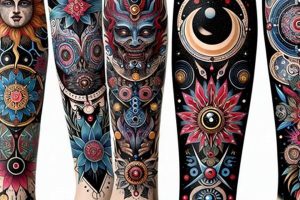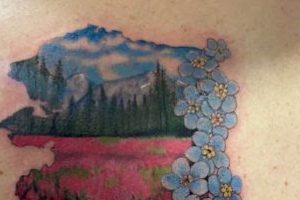



Vibrant body art designs incorporating a spectrum of pigments offer a wide range of aesthetic possibilities, from realistic portraits to abstract patterns. For example, a floral design might utilize shades of red, pink, and green to create a lifelike depiction, while a geometric design could employ bold blues, yellows, and oranges for a more modern feel.
The use of multiple hues in skin art allows for greater depth, dimension, and visual impact. Historically, color in tattooing has held cultural significance, often representing spiritual beliefs, social status, or personal narratives. This rich history informs contemporary practices, where skilled artists utilize advanced techniques and high-quality inks to achieve stunning, lasting results. The expanded palette offers enhanced expressive potential, enabling individuals to communicate complex ideas and emotions through their chosen imagery.
Exploring the various styles, techniques, and color palettes available offers a path to discovering unique and personally meaningful artwork. Considerations such as skin tone, placement, and desired longevity play a vital role in achieving the desired aesthetic. The following sections delve into specific design categories, color theory principles, and aftercare practices essential for maintaining vibrant and healthy body art.
1. Color Palette Selection

Effective color palette selection is paramount in realizing vibrant and impactful body art. The interplay of hues significantly influences the overall aesthetic, conveying mood, depth, and symbolic meaning. Careful consideration of color theory principles and individual preferences is essential for achieving desired results.
- Color Theory Fundamentals
Understanding basic color theory, including complementary, analogous, and triadic color schemes, informs harmonious and visually appealing palettes. For instance, a tattoo featuring a koi fish might utilize complementary colors like orange and blue to create contrast and visual interest. Applying these principles ensures balanced and aesthetically pleasing compositions.
- Skin Tone Considerations
Skin tone acts as a canvas, influencing how colors appear. Certain pigments may appear more vibrant on lighter skin tones, while others might be more suitable for darker complexions. A skilled artist considers these factors, adjusting saturation and brightness to optimize the final result. For example, darker skin tones might benefit from richer, more saturated colors.
- Symbolic Meanings of Colors
Colors often carry cultural and personal significance. Red can symbolize passion, green can represent growth, and blue can signify tranquility. Incorporating these symbolic meanings can add depth and personal resonance to the artwork. A tattoo incorporating specific colors based on their symbolism adds a layer of personal narrative.
- Long-Term Color Vibrancy
Certain pigments are known for their longevity, while others may fade more quickly over time. Factors like sun exposure and aftercare practices also influence color retention. Selecting high-quality inks and adhering to proper aftercare guidelines helps maintain vibrancy and prevents premature fading. Black and grey inks generally offer greater longevity compared to lighter, brighter hues.
By understanding these facets of color palette selection, individuals can collaborate with artists to create body art that is not only visually stunning but also deeply meaningful and enduring. The interplay of color, skin tone, and symbolic representation allows for a wide range of artistic expression, ensuring that the final artwork is both aesthetically pleasing and personally resonant.
2. Placement Considerations

Placement significantly impacts the visual presentation and long-term aesthetic of vibrant tattoos. Careful consideration of body contours, visibility preferences, and potential lifestyle factors is crucial. The interplay between placement and design ensures the artwork harmonizes with the body’s natural lines and complements individual preferences for showcasing or concealing the piece.
For example, a large, intricate design featuring a multitude of colors might be best suited for a larger canvas like the back or chest, allowing ample space for detail and preventing visual crowding. Conversely, smaller, simpler designs using a limited color palette can be effectively placed on areas like the wrist or ankle. Placement also affects how the tattoo interacts with movement and clothing; a sleeve tattoo, for instance, must be designed with the arm’s flexion and extension in mind. Areas frequently exposed to sunlight, like the hands and forearms, may experience faster ink fading, impacting color vibrancy over time. Therefore, understanding the effects of sun exposure on specific pigments is crucial for selecting appropriate placement for long-lasting results.
Strategic placement enhances the visual impact of the artwork and ensures its longevity. A well-placed tattoo complements the wearer’s physique and personal style, becoming an integrated part of their overall aesthetic. Recognizing the interplay between placement, design complexity, and environmental factors contributes significantly to the creation of a visually stunning and enduring piece of body art.
3. Design Style Choice

Design style significantly influences the effective use of color in tattoos. The chosen style dictates the color palette, application techniques, and overall visual impact. A realistic portrait, for example, relies on subtle color gradations and precise shading to achieve lifelike representation. Conversely, a watercolor tattoo embraces fluidity and vibrant hues, mimicking the soft, diffused effect of watercolor paints. The inherent characteristics of each style inform color choices and application methods, resulting in distinct aesthetic outcomes. Understanding the interplay between style and color is crucial for achieving desired results.
Traditional Japanese tattoos, often featuring bold outlines and vibrant primary colors, offer a stark contrast to the muted tones and fine lines characteristic of minimalist designs. The subject matter also influences design style and color choices. A nature-inspired tattoo might incorporate earthy tones and flowing lines, while a geometric design might utilize contrasting colors and sharp angles. Matching design style to subject matter enhances the overall aesthetic and communicative power of the artwork. Consideration of these factors allows for a cohesive and impactful visual narrative.
Selecting a design style requires careful consideration of personal preferences, desired aesthetic, and the tattoo’s intended message. Researching various styles, understanding their defining characteristics, and consulting with experienced artists are crucial steps in the decision-making process. A well-chosen design style, coupled with a thoughtfully curated color palette, results in a cohesive and impactful piece of body art that effectively communicates personal expression and artistic vision. This understanding ensures the final product aligns with individual preferences and artistic goals.
4. Artist Skill and Experience

An artist’s skill and experience are paramount in executing complex color tattoo designs effectively. Technical expertise influences color vibrancy, longevity, and the overall aesthetic of the finished piece. Selecting a skilled artist is crucial for realizing the desired vision and ensuring the artwork’s integrity over time. A deep understanding of color theory, skin tones, and various application techniques is essential for achieving optimal results.
- Color Theory Application
Proficient artists possess a nuanced understanding of color theory, enabling them to create harmonious and visually appealing color palettes. They understand how colors interact with each other and how skin tone affects the final appearance. This knowledge allows for strategic color selection to achieve desired effects, such as contrast, depth, and visual balance. Improper color theory application can result in muddy or clashing colors, diminishing the tattoo’s overall aesthetic.
- Technical Proficiency
Technical skill encompasses needle depth, ink saturation, and line work precision. Experienced artists control these factors to achieve smooth color transitions, prevent blowouts, and ensure even ink distribution. Proper technique is crucial for achieving clean lines, vibrant colors, and a polished final result. Inconsistent needle depth or improper ink saturation can lead to uneven color, scarring, and a less refined appearance.
- Skin Tone Adaptation
Skilled artists understand how different skin tones interact with various pigments. They adapt their techniques and color choices to complement individual skin tones, ensuring optimal color vibrancy and longevity. This expertise is crucial for achieving desired results across a diverse range of skin tones. Failure to adapt to skin tone can result in muted colors, poor contrast, and a less impactful final product.
- Aftercare Guidance
Experienced artists provide comprehensive aftercare instructions, which are crucial for preserving color vibrancy and preventing complications. Proper aftercare ensures the longevity of the tattoo and minimizes the risk of infection or fading. Clear and detailed aftercare guidance contributes significantly to the long-term health and aesthetic of the tattoo. Neglecting proper aftercare can lead to infection, excessive fading, and a compromised final result.
The synergy of these factorscolor theory application, technical proficiency, skin tone adaptation, and aftercare guidancecontributes significantly to the overall success of a color tattoo. Choosing an artist with demonstrable experience and a strong portfolio is an investment in the quality and longevity of the artwork. This ensures the realization of the desired aesthetic and the preservation of its vibrancy for years to come. The expertise of a skilled artist is essential for transforming a vibrant tattoo idea into a stunning piece of body art.
5. Long-Term Care Practices
Maintaining the vibrancy and clarity of colored tattoos requires diligent long-term care. Proper aftercare practices and ongoing maintenance are essential for preserving the artwork’s integrity and preventing premature fading or discoloration. Consistent adherence to these practices ensures the longevity of the color saturation and overall aesthetic of the tattoo.
- Sun Protection
Ultraviolet (UV) radiation from sunlight is a primary factor in tattoo ink fading. Consistent use of high-SPF, broad-spectrum sunscreen on tattooed areas is crucial, especially during prolonged sun exposure. Protective clothing can offer an additional layer of defense. Sun protection practices minimize UV damage, preserving color vibrancy and preventing premature aging of the tattoo.
- Moisturization
Regular moisturizing maintains skin hydration and suppleness, which contributes to the overall health and appearance of the tattoo. Well-hydrated skin retains color better and exhibits a healthier sheen. Using fragrance-free and hypoallergenic moisturizers minimizes the risk of irritation and allergic reactions. Consistent moisturization supports skin health, contributing to the long-term vibrancy and clarity of the tattoo.
- Avoid Harsh Chemicals
Exposure to harsh chemicals, such as those found in certain cleaning products and skincare products, can fade tattoo ink and irritate the skin. Opting for gentle, fragrance-free products and avoiding direct contact with harsh chemicals protects the tattoo and surrounding skin. This practice minimizes the risk of discoloration and maintains the integrity of the tattoo ink.
- Touch-Ups
Over time, some degree of color fading is inevitable. Periodic touch-up sessions with a qualified tattoo artist can restore vibrancy and address any areas of fading or discoloration. Touch-ups maintain the tattoo’s original aesthetic and ensure its long-term visual appeal. Consulting with the original artist, or a similarly skilled professional, ensures consistency in technique and color matching.
These long-term care practices are integral to preserving the vibrancy and longevity of colored tattoos. Consistent application of these practices ensures that the artwork remains visually appealing and retains its intended impact for years to come. Diligent care not only protects the aesthetic investment but also contributes to the overall health and integrity of the tattooed skin.
Tips for Vibrant and Long-Lasting Tattoo Art
Achieving vibrant and enduring body art requires careful planning and consideration. These tips offer guidance for navigating the process and ensuring a successful outcome.
Tip 1: Research and Select a Qualified Artist: Thorough research is paramount. An artist’s portfolio should demonstrate proficiency in the desired style and color application techniques. Expertise in color theory and skin tone adaptation is essential.
Tip 2: Plan the Design and Placement Carefully: Consider body contours, lifestyle factors, and long-term visibility preferences when selecting placement. A cohesive design complements the chosen location and allows for optimal color vibrancy.
Tip 3: Understand Color Theory Principles: Knowledge of color theory aids in creating harmonious and visually appealing palettes. Consider the interplay of colors and their impact on the overall aesthetic. Research how different colors may fade over time.
Tip 4: Choose High-Quality Inks: High-quality tattoo inks are formulated for vibrancy and longevity. Discuss ink choices with the selected artist to ensure optimal results and minimize the risk of allergic reactions. Quality inks contribute significantly to long-term color saturation.
Tip 5: Prioritize Aftercare: Diligent aftercare is crucial for preserving color vibrancy and preventing complications. Follow the artist’s instructions meticulously to ensure proper healing and maintain the tattoo’s integrity. Proper aftercare significantly impacts long-term results.
Tip 6: Protect from Sun Exposure: UV radiation significantly contributes to ink fading. Consistent use of high-SPF sunscreen on tattooed areas is vital for preserving color saturation and preventing premature aging of the artwork.
Tip 7: Maintain Skin Hydration: Regular moisturizing supports skin health and contributes to the overall vibrancy of the tattoo. Well-hydrated skin retains color more effectively and exhibits a healthier sheen.
Adhering to these guidelines contributes significantly to the longevity and vibrancy of body art. Careful planning, informed decision-making, and consistent care ensure a visually stunning and enduring piece.
By following these tips, individuals can make informed decisions, ensuring their body art remains vibrant and meaningful for years to come. The journey toward vibrant, long-lasting body art requires careful planning and diligent maintenance. These considerations pave the way for a fulfilling and aesthetically rewarding experience.
Frequently Asked Questions about Colored Tattoos
This section addresses common inquiries regarding color application in tattooing, providing clarity on important considerations.
Question 1: How does skin tone affect color choices?
Skin tone acts as a canvas and influences how pigments appear. Darker skin tones may require richer, more saturated colors for optimal vibrancy, while lighter skin tones offer greater versatility. A skilled artist considers individual skin tone to ensure the desired color saturation is achieved.
Question 2: Do certain colors fade faster than others?
Lighter colors, such as pastels and yellows, tend to fade more quickly than darker, more saturated colors. Factors like sun exposure and aftercare practices also influence fading rates. Proper sun protection and diligent aftercare are crucial for maintaining color vibrancy.
Question 3: What is the healing process for colored tattoos?
The healing process typically takes several weeks. Proper aftercare, including keeping the tattoo clean and moisturized, is essential for preventing infection and promoting optimal healing. Specific aftercare instructions vary depending on the artist and the individual’s skin type.
Question 4: How much do colored tattoos typically cost?
Cost varies depending on factors like size, complexity, artist experience, and geographic location. Larger, more intricate designs requiring multiple colors typically cost more. Consulting with several artists allows for comparison of pricing and artistic styles.
Question 5: Are there any risks associated with colored tattoos?
As with any tattoo, there are potential risks, including infection and allergic reactions. Choosing a reputable, licensed artist who adheres to strict hygiene practices minimizes these risks. Individuals with specific allergies should discuss these concerns with their artist before the procedure.
Question 6: Can colored tattoos be removed or covered up?
Color tattoo removal is possible but typically requires multiple laser treatments. The removal process can be more complex for multicolored tattoos. Covering up a colored tattoo with a new design often requires a skilled artist and careful color selection to effectively conceal the existing artwork.
Understanding these aspects of colored tattoos allows individuals to make informed decisions and embark on the process with realistic expectations. Consulting with a qualified artist is essential for addressing specific concerns and ensuring a successful outcome.
The next section offers a gallery of inspiring examples showcasing the versatility and artistic potential of color in tattooing.
Colored Tattoo Ideas
Exploration of vibrant tattoo designs reveals the multifaceted nature of color application in body art. Careful consideration of color palettes, placement, design style, artist expertise, and long-term care practices are crucial for achieving desired aesthetic outcomes. Skin tone, individual preferences, and symbolic meanings associated with specific colors influence design choices. Technical proficiency, including needle depth, ink saturation, and line work precision, impacts color vibrancy and longevity. Understanding the interplay of these factors is essential for creating visually compelling and enduring artwork.
The potential of colored tattoo designs extends beyond mere aesthetics. These vibrant expressions serve as powerful mediums for personal narratives, cultural representation, and artistic innovation. As tattoo artistry continues to evolve, exploration of new techniques, color palettes, and design styles promises an ever-expanding realm of creative possibilities. The enduring appeal of colored tattoos lies in their ability to transform personal expression into a vibrant and lasting form of art.