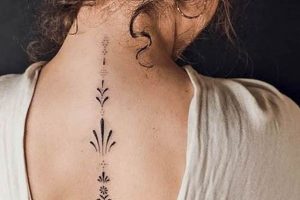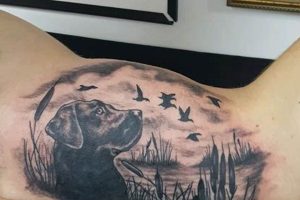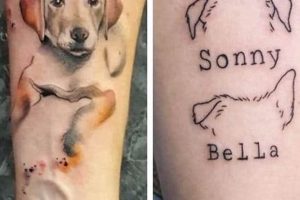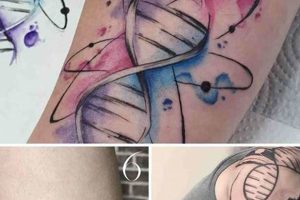



Small canvases for body art located on the lower extremities offer opportunities for diverse artistic expression, ranging from minimalist symbols to intricate, detailed designs. Consider placement carefully, as different areas of the foot present unique challenges and advantages regarding visibility, pain levels, and healing times. Example locations include the ankle, top of the foot, toes, sole, and heel.
Lower extremity body art allows for personal expression in a location that can be easily concealed or displayed depending on preference. This form of self-expression holds cultural significance in some societies and has evolved throughout history, transitioning from traditional practices to modern artistic interpretations. Factors such as pain tolerance, aftercare commitment, and potential societal perceptions should be considered before choosing this body modification.
Exploration of design choices includes considerations for size, style, color, and artistic elements that complement the natural contours of this body part. Practical aspects of the process, such as artist selection, hygiene practices, and aftercare procedures, are also critical for ensuring a safe and satisfactory outcome.
1. Placement

Placement is a critical factor in lower extremity tattoo design, significantly impacting the aesthetic outcome, comfort level, and longevity of the artwork. The foot’s complex anatomy and varied contours present both opportunities and challenges. A design intended for the ankle, for example, differs considerably from one planned for the top of the foot or toes due to variations in skin texture, bone structure, and visibility. Designs wrapping around the ankle or flowing along the arch of the foot can create a visually appealing, dynamic effect. Conversely, placements on the sole or heel, while less visible, must consider the increased wear and tear these areas experience.
Several practical considerations influence placement decisions. High-traffic areas like the heel and ball of the foot experience more friction and pressure, leading to faster ink fading and potential discomfort during healing. The thin skin and proximity to bone in certain areas can also increase sensitivity during the tattooing process. Individuals with specific footwear preferences should consider how shoes might rub against the tattoo, potentially affecting healing or causing premature fading. Placement choices should also account for the design’s size and complexity. Intricate details may be better suited to larger, flatter areas like the top of the foot, while smaller, simpler designs can be effectively placed on the ankle, toes, or even the side of the foot.
Careful consideration of placement ensures the tattoo complements the natural shape of the foot, enhancing its aesthetic appeal while minimizing practical challenges. Choosing an appropriate location contributes significantly to both the artistic success and long-term satisfaction with the body art. Strategic placement maximizes visual impact, minimizes discomfort, and promotes optimal healing, resulting in a durable and aesthetically pleasing tattoo.
2. Size and scale

Size and scale are integral to the success of lower extremity tattoos. The limited canvas size necessitates careful planning to ensure design elements are appropriately proportioned and visually balanced. A large, intricate design might overwhelm the delicate curvature of the ankle, while a minuscule motif could get lost on the broader expanse of the top of the foot. Scale also dictates the level of detail achievable; intricate patterns require sufficient space to be rendered effectively. Consider, for example, a detailed mandala intended for the ankle. If scaled too large, it might appear cramped and lose its intricate beauty; if too small, the delicate details might blur together, becoming indistinguishable. Similarly, a simple band of flowers encircling the ankle might appear underwhelming if scaled too thinly, whereas a bolder rendition of the same design can create a striking visual impact.
Practical considerations also influence size and scale decisions. Smaller tattoos generally heal more quickly and involve less discomfort during the tattooing process. Larger pieces, however, allow for greater artistic expression and more intricate detail. The choice between a small, discreet symbol and a larger, more elaborate design depends on individual preferences, pain tolerance, and the desired aesthetic outcome. The location of the tattoo also influences size and scale. A large design on the sole of the foot, for example, would experience significantly more wear and tear than a smaller design placed on the outer ankle. Balancing aesthetic aspirations with practical limitations is essential for achieving a satisfying and enduring result. A skilled tattoo artist can provide valuable guidance on appropriate size and scale based on the chosen design, location, and individual anatomy.
Appropriate size and scale contribute significantly to the overall aesthetic harmony and longevity of foot tattoos. Careful consideration of these factors ensures the design complements the foot’s natural contours, remains legible over time, and ages gracefully. A well-scaled design maximizes visual impact, regardless of size, creating a piece of body art that is both aesthetically pleasing and practically sound. The interplay of size and scale is a fundamental design principle that directly impacts the success and longevity of lower extremity body art.
3. Style and design

Style and design choices are paramount in realizing aesthetically pleasing and personally meaningful lower extremity tattoos. The foot’s unique anatomy and visibility factors influence design considerations, impacting both the artistic execution and the longevity of the artwork. Careful selection of style and design elements ensures the tattoo complements the wearer’s personal aesthetic and the foot’s natural contours.
- Realism
Realism focuses on detailed, lifelike depictions. Examples include portraits, botanical illustrations, or animal renderings. While technically challenging on a small canvas, skilled artists can achieve stunning results. Realism requires careful consideration of placement and size due to the intricate details involved, making it crucial to select an artist specializing in this style. The curved surface of the foot presents a unique challenge, demanding artistic expertise to adapt the design effectively. Realism’s impact on lower extremity tattoos lies in its ability to create highly personalized and visually striking pieces.
- Minimalism
Minimalism emphasizes simplicity and clean lines. Geometric shapes, small symbols, or single-word scripts exemplify this style. Its understated elegance makes it well-suited to the foot’s often-concealed nature. Minimalist designs offer versatility in placement, adapting well to various locations. From a delicate outline on the ankle to a small symbol on the toe, minimalism’s adaptability lends itself to diverse expressions. Its understated elegance can be particularly effective on the foot, creating a subtle yet impactful statement.
- Watercolor
Watercolor tattoos mimic the soft, diffused effect of watercolor paintings. Abstract designs, floral motifs, and washes of color characterize this style. The fluidity of watercolor designs can complement the foot’s curves, creating a sense of movement and dynamism. However, the delicate nature of watercolor requires careful consideration of ink migration and fading over time. Skilled artists adept at this technique can create visually stunning pieces that capture the essence of watercolor paintings on the skin.
- Geometric/Tribal
Geometric and tribal styles utilize bold lines, intricate patterns, and symbolic imagery. Maori, Polynesian, and other indigenous art forms often inspire these designs. These styles can be adapted to follow the contours of the foot, creating a visually powerful and culturally significant piece. The bold lines and strong visual impact of geometric and tribal designs make them particularly well-suited for lower extremity tattoos, offering a powerful statement of personal style and cultural heritage.
Choosing an appropriate style and design for lower extremity tattoos is crucial for achieving a visually appealing and personally meaningful result. The selected style should complement the individual’s aesthetic preferences, the foot’s anatomical structure, and the practical considerations of placement, size, and longevity. Whether opting for the intricate detail of realism, the understated elegance of minimalism, the fluidity of watercolor, or the bold statements of geometric/tribal designs, careful consideration of these factors ensures a successful and enduring piece of body art.
4. Pain Management
Pain management is a crucial aspect of lower extremity tattooing due to the foot’s sensitivity. The thin skin, proximity to bone, and abundance of nerve endings contribute to heightened pain perception in this area. Effective pain management strategies are essential for ensuring a comfortable experience and allowing the artist to execute the design with precision. Ignoring pain management can lead to premature termination of the tattoo session, resulting in an incomplete or compromised design. Additionally, excessive pain can cause involuntary muscle spasms in the foot, hindering the artist’s work and potentially affecting the final outcome.
Several methods can mitigate discomfort during foot tattooing. Topical anesthetic creams, applied prior to the procedure, can numb the skin’s surface and reduce pain sensation. Over-the-counter pain relievers, such as ibuprofen or acetaminophen, taken before the session can also help manage discomfort. Deep breathing techniques and meditation can help individuals relax and cope with pain more effectively. Open communication with the tattoo artist is crucial; experienced artists can offer breaks during the session and adjust their technique to minimize discomfort. Furthermore, maintaining proper hydration and avoiding alcohol or caffeine before the appointment can contribute to a smoother and less painful experience. For larger or more intricate designs requiring multiple sessions, planning appointments strategically to allow ample healing time between sessions can significantly reduce overall discomfort.
Understanding the importance of pain management contributes significantly to a positive tattooing experience. Implementing appropriate strategies minimizes discomfort, allows for greater focus on the artistic process, and ultimately results in a higher quality tattoo. While individual pain tolerance varies, proactive pain management is crucial for anyone considering lower extremity body art. Effective pain management facilitates a more comfortable and successful tattooing experience, contributing to both the artistic process and the final result.
5. Aftercare Practices
Aftercare practices are paramount for preserving the aesthetic quality and longevity of lower extremity tattoos. The foot’s unique environmentconstant contact with footwear, exposure to friction, and potential for bacterial contaminationnecessitates meticulous aftercare. Neglecting proper aftercare can lead to complications such as infection, ink loss, excessive scarring, and a compromised aesthetic result. Diligent adherence to aftercare protocols ensures optimal healing, vibrant color retention, and the long-term integrity of the tattoo. For instance, failing to keep the tattoo clean and moisturized can lead to scabbing and ink loss, diminishing the vibrancy and clarity of the design. Similarly, wearing tight or restrictive footwear during the healing process can cause friction and irritation, potentially distorting the tattoo and increasing the risk of infection.
Specific aftercare protocols for lower extremity tattoos include keeping the tattoo clean and dry, applying a thin layer of fragrance-free and alcohol-free moisturizer several times daily, avoiding soaking or submerging the foot in water for extended periods, and protecting the tattoo from direct sunlight. Choosing breathable footwear and socks made from natural materials can promote proper air circulation and prevent excessive moisture buildup. Avoiding activities that cause excessive friction or sweating, such as strenuous exercise or prolonged exposure to heat, is also crucial during the initial healing phase. Furthermore, refraining from picking or scratching at the tattoo is essential to prevent infection and scarring. Consulting with the tattoo artist for personalized aftercare instructions tailored to the specific design and placement is highly recommended. A skilled artist can provide detailed guidance on cleaning solutions, moisturizing products, and specific precautions based on individual needs.
Meticulous aftercare is an integral component of the overall lower extremity tattoo experience. Proper aftercare practices protect the investment of time, money, and artistic expression, ensuring the tattoo heals properly and retains its visual appeal for years to come. Understanding the specific challenges posed by the foot’s environment and adhering to recommended aftercare protocols are crucial for achieving optimal healing and preserving the integrity of the artwork. This diligent approach to aftercare safeguards against complications and maximizes the longevity of the tattoo, ensuring the design remains vibrant and aesthetically pleasing.
6. Artist Selection
Artist selection is paramount when considering lower extremity tattoos. The foot’s unique anatomical structure, the intricate nature of many foot tattoo designs, and the potential challenges of healing in this location necessitate choosing a skilled and experienced artist. A qualified artist possesses the technical expertise to execute the design flawlessly, adapt to the foot’s contours, and provide informed guidance on placement, size, and aftercare. Choosing an artist solely based on price or proximity can compromise the final result, potentially leading to a subpar tattoo that requires costly and time-consuming corrections or removal. A well-chosen artist ensures a positive and safe tattooing experience, resulting in a high-quality piece of body art that meets the client’s expectations and heals beautifully.
- Portfolio Examination
Thoroughly examining an artist’s portfolio provides crucial insights into their artistic style, technical proficiency, and experience with lower extremity tattoos. A portfolio should showcase a variety of designs, demonstrating the artist’s versatility and skill in different styles. Pay close attention to the execution of fine lines, intricate details, and color saturation, particularly in healed photos of foot tattoos. A strong portfolio reflects the artist’s commitment to quality, attention to detail, and ability to create visually appealing and well-executed tattoos.
- Specialization and Experience
Seek artists specializing in the desired tattoo style, whether realism, minimalism, watercolor, or geometric/tribal. An artist’s specialization indicates focused expertise and a deeper understanding of the technical nuances associated with that particular style. Inquire about their experience with lower extremity tattoos specifically, as this area presents unique challenges related to placement, healing, and design adaptation. Experienced artists possess the knowledge and skill to navigate these challenges effectively, resulting in a higher quality and longer-lasting tattoo.
- Hygiene and Safety Practices
Stringent hygiene and safety practices are non-negotiable in tattooing. A reputable artist adheres to strict sterilization protocols, uses single-use needles and ink cartridges, and maintains a clean and sanitary workspace. Inquire about their sterilization procedures, including autoclave usage and spore testing, to ensure they meet industry standards. Prioritizing hygiene minimizes the risk of infection and other complications, safeguarding the client’s health and well-being.
- Consultation and Communication
A thorough consultation with the artist is essential before committing to a lower extremity tattoo. This allows for open communication about design preferences, placement considerations, pain management strategies, and aftercare procedures. A skilled artist listens attentively to the client’s vision, offers professional guidance, and addresses any concerns or questions. Effective communication ensures a collaborative and positive experience, resulting in a tattoo that aligns with the client’s expectations and reflects their personal style.
Careful artist selection is a critical investment in the quality and longevity of lower extremity body art. A skilled and experienced artist possesses the technical expertise, artistic vision, and commitment to hygiene and safety necessary to create a beautiful and enduring tattoo. Thoroughly researching potential artists, examining their portfolios, and engaging in open communication ensures a positive and successful tattooing experience, resulting in a piece of body art that is both aesthetically pleasing and personally meaningful. This meticulous approach to artist selection maximizes the likelihood of achieving a high-quality, well-executed foot tattoo that brings lasting satisfaction.
Tips for Foot Tattoo Designs
Careful planning is crucial for successful lower extremity tattooing. These tips offer guidance for navigating design choices, placement considerations, and the practical aspects of the process.
Tip 1: Consider Visibility and Exposure: Placement dictates visibility. Ankle tattoos are easily displayed or concealed, while tattoos on the top of the foot are more visible during warmer months. The sole, heel, and sides of the foot offer more discreet options.
Tip 2: Factor in Foot Shape and Contours: The foot’s curves and bony prominences impact design suitability. Flowing designs complement the ankle and arch, while smaller, simpler motifs suit toes or the side of the foot. Avoid placing intricate details across joints or uneven surfaces.
Tip 3: Reflect Personal Style and Meaning: Tattoo designs should resonate with personal aesthetics and values. Meaningful symbols, quotes, or imagery imbue the tattoo with personal significance. Balance aesthetic appeal with symbolic representation for a truly impactful design.
Tip 4: Prioritize Aftercare Diligence: Foot tattoos require meticulous aftercare due to constant contact with footwear and potential for bacterial exposure. Follow artist instructions diligently, keeping the tattoo clean, moisturized, and protected during healing. Proper aftercare ensures vibrant color retention and minimizes complications.
Tip 5: Choose an Experienced Artist: Artist selection is paramount for foot tattoos. Seek artists specializing in the desired style with demonstrable experience in lower extremity tattooing. Examine portfolios, assess hygiene practices, and schedule consultations to ensure a skilled and reputable artist executes the design.
Tip 6: Manage Pain Effectively: Foot tattooing can be more painful than other body areas. Consult with the artist about pain management strategies, such as topical anesthetics or over-the-counter pain relievers. Deep breathing techniques and open communication with the artist during the session also help manage discomfort.
Tip 7: Anticipate Lifestyle Implications: Consider footwear choices, activity levels, and potential workplace restrictions when planning a foot tattoo. Certain professions or activities may require concealing tattoos, influencing placement and design choices. Anticipating these factors ensures the tattoo integrates seamlessly into one’s lifestyle.
Careful consideration of these tips ensures a positive tattooing experience and a visually appealing, well-healed foot tattoo. Addressing practical aspects, personal preferences, and artistic considerations contributes to a successful outcome and long-term satisfaction with the chosen design.
By understanding the unique challenges and opportunities presented by lower extremity tattooing, individuals can make informed decisions that result in a beautiful and personally meaningful piece of body art.
Frequently Asked Questions
Addressing common inquiries regarding lower extremity tattooing provides clarity and facilitates informed decision-making.
Question 1: How painful are foot tattoos?
Pain levels vary due to individual pain thresholds and specific foot locations. Areas with thin skin and proximity to bone, such as the ankle and top of the foot, tend to be more sensitive. Consultations with tattoo artists allow for discussions regarding pain management strategies.
Question 2: How long do foot tattoos take to heal?
Healing times typically range from two to four weeks, influenced by individual healing rates, tattoo size, and adherence to aftercare instructions. Diligent aftercare promotes efficient healing and minimizes complications.
Question 3: Do foot tattoos fade faster than tattoos in other locations?
Foot tattoos can experience accelerated fading due to frequent contact with footwear and exposure to friction. Proper aftercare, including sun protection and moisturizing, helps maintain color vibrancy and prolongs the tattoo’s lifespan.
Question 4: What are the best design choices for foot tattoos?
Optimal design choices depend on individual preferences and the foot’s anatomical structure. Smaller, simpler designs often suit the limited canvas size, while flowing designs complement the foot’s curves. Placement considerations further influence design suitability.
Question 5: How should one choose a tattoo artist for foot tattoos?
Artist selection should prioritize experience with lower extremity tattoos, demonstrable skill in the desired style, and adherence to strict hygiene protocols. Portfolio reviews and consultations provide valuable insights into an artist’s capabilities and suitability.
Question 6: What are the potential risks and complications associated with foot tattoos?
Potential risks include infection, allergic reactions to ink, excessive scarring, and ink migration. Adhering to proper aftercare procedures and choosing a reputable artist minimizes these risks. Consulting a dermatologist or physician beforehand addresses specific health concerns.
Thorough consideration of these frequently asked questions empowers individuals to make informed decisions regarding lower extremity tattooing, ensuring a positive experience and a satisfying, long-lasting result.
Further research and consultation with experienced tattoo artists provide additional insights and personalized guidance.
Conclusion
Careful consideration of placement, size, style, pain management, aftercare, and artist selection are crucial for successful lower extremity tattooing. Design choices should complement the foot’s anatomy and the individual’s aesthetic preferences, while practical aspects ensure the longevity and visual appeal of the artwork. Prioritizing these factors contributes significantly to a positive and fulfilling tattooing experience.
Lower extremity body art offers a unique canvas for self-expression, demanding careful planning and informed decision-making. Thorough research, consultation with experienced professionals, and diligent aftercare ensure the creation of a beautiful, enduring piece of body art that reflects personal style and artistic vision.