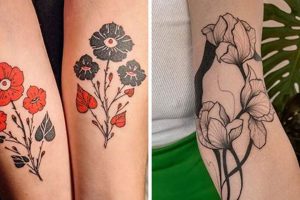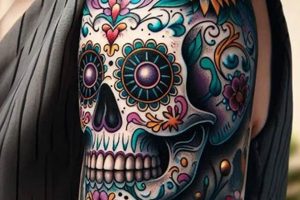



Permanent body art reflecting spiritual beliefs is a powerful form of self-expression and devotion. Designs can range from simple symbols like crosses or Om signs to intricate depictions of deities, scriptural passages, or meaningful personal iconography. For example, a dove might represent peace and the Holy Spirit in Christian traditions.
Such permanent displays of belief can serve as constant reminders of one’s faith, offering comfort, strength, and a sense of connection to something larger than oneself. Throughout history, various cultures have utilized body art for spiritual purposes, signifying tribal affiliation, marking rites of passage, or honoring deities. This practice continues to resonate with individuals seeking a tangible and enduring link to their spirituality.
Exploring the diverse range of symbolic imagery and stylistic approaches available provides valuable insights for those considering expressing their convictions through this enduring art form. Design considerations, placement on the body, and the cultural significance of chosen symbols are all important elements to consider.
1. Symbolism

Symbolism lies at the heart of tattoos representing faith. The chosen imagery acts as a visual language, conveying profound spiritual beliefs and personal connections. Understanding the rich tapestry of symbolic meanings is crucial for creating a tattoo that authentically reflects one’s faith.
- Religious Iconography
Established religious symbols carry inherent meaning. A crucifix represents Christ’s sacrifice in Christianity, while the Star of David symbolizes Judaism’s connection to God. Incorporating these established symbols into a tattoo design immediately communicates a specific faith tradition. However, it’s essential to research and understand the full cultural and historical context of these symbols before permanently inking them.
- Scriptural References
Short passages or key words from sacred texts can serve as powerful reminders of faith. A verse that holds personal significance can be incorporated into the tattoo design, offering continuous inspiration. Choosing a specific script or calligraphy style can further enhance the visual impact and spiritual meaning of the chosen passage.
- Nature-Inspired Symbols
Elements from the natural world often hold spiritual significance across various faiths. A lotus flower, representing purity and enlightenment in Buddhism, or a dove, symbolizing peace and the Holy Spirit in Christianity, can be incorporated into designs. These symbols offer a more subtle way to express faith, connecting personal beliefs with the beauty of the natural world.
- Personal Iconography
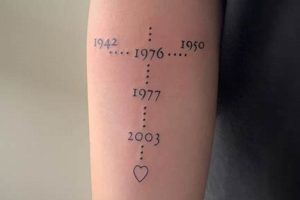
Beyond traditional symbols, individuals may choose imagery that holds personal spiritual meaning. A significant date, a meaningful object, or a representation of a spiritual experience can be transformed into a unique and deeply personal tattoo. This allows for a high degree of customization, creating a design that reflects individual beliefs and experiences.
Careful selection of symbolic elements ensures the resulting tattoo becomes a powerful and enduring expression of faith, resonating with the individual’s deepest beliefs and serving as a constant source of inspiration and connection.
2. Placement

Placement of a faith-based tattoo carries significant weight, impacting both the visibility of the design and its personal meaning. Consideration of placement demonstrates respect for both the body and the represented faith. Visible placements, such as the hands or forearms, can serve as public declarations of faith, while more discreet locations, like the back or ribs, offer a sense of personal intimacy. For some faiths, specific body parts hold particular spiritual significance, influencing placement choices.
The physical location of a tattoo can enhance its symbolic meaning. A tattoo encircling the wrist, for example, might represent eternal connection to faith, while a design placed over the heart signifies devotion. Practical considerations also influence placement. Certain professions may require tattoos to be covered, necessitating placement in easily concealed areas. Pain tolerance also varies across body parts, influencing individual choices.
Ultimately, the choice of placement should align with personal preferences and the desired level of visibility. Careful consideration of the interplay between placement, symbolism, and practicality ensures the tattoo serves as a meaningful and respectful expression of faith.
3. Cultural Sensitivity
Cultural sensitivity plays a vital role in the design and execution of faith-based tattoos. Borrowing symbols from other cultures requires careful consideration and respect. Thoughtful research and understanding of the original context prevent misappropriation and demonstrate reverence for the traditions from which the imagery originates.
- Respect for Origin
Appropriating religious symbols without understanding their significance can cause offense. A thorough understanding of the symbol’s history, meaning, and cultural context is crucial before incorporating it into a tattoo design. For example, using Indigenous tribal markings without belonging to that tribe demonstrates disrespect and disregard for the cultural heritage associated with those symbols.
- Appropriate Representation
Faith-based symbols should be depicted accurately and respectfully. Distorting or modifying sacred imagery can be deeply offensive to those who hold the symbol sacred. Ensuring accurate representation demonstrates respect for the faith tradition and avoids misrepresenting its core beliefs.
- Consultation with Cultural Experts
Seeking guidance from religious leaders or cultural experts can provide valuable insights and ensure respectful representation. Engaging in dialogue with those who understand the nuances of a specific faith tradition can help avoid unintentional misappropriation or misrepresentation of sacred symbols. This demonstrates a commitment to cultural sensitivity and responsible tattooing practices.
- Awareness of evolving interpretations
Symbols can hold different meanings across various branches within a faith or evolve over time. Recognizing these nuances ensures respectful representation. For instance, certain Buddhist imagery may carry different connotations in Tibetan Buddhism compared to Zen Buddhism. Acknowledging these variations demonstrates cultural sensitivity and a nuanced understanding of the chosen symbolism.
Integrating cultural sensitivity into the design process ensures that faith-based tattoos become respectful and meaningful expressions of belief, honoring the rich cultural heritage associated with the chosen symbols.
4. Artistic Style

Artistic style significantly influences the aesthetic and spiritual impact of faith-based tattoos. The chosen style should complement the symbolism and personal meaning, enhancing the overall message conveyed by the tattoo. Different artistic styles evoke distinct emotions and interpretations, making careful selection crucial for achieving the desired visual and spiritual effect.
- Realism
Realistic depictions of religious figures or scenes offer a powerful and evocative representation of faith. Detailed portraits of saints, deities, or iconic religious moments create a visually striking and deeply reverent expression of belief. The lifelike detail captures the essence of the subject, creating a strong sense of connection and devotion.
- Watercolor
The fluidity and vibrant colors of watercolor tattoos lend a dreamlike and ethereal quality to faith-based designs. This style can effectively portray abstract spiritual concepts or add a touch of artistic flair to traditional religious symbols. The soft transitions and vibrant hues create a sense of wonder and awe, reflecting the transcendent nature of faith.
- Geometric/Linework
Clean lines and geometric shapes create a sense of order and balance, aligning with the structured nature of many faith traditions. This style can be used to create intricate mandalas, symbolic patterns, or minimalist representations of religious icons. The precision and symmetry of these designs evoke a sense of harmony and spiritual grounding.
- Traditional/Tribal
Traditional and tribal tattoo styles often incorporate bold lines, solid colors, and symbolic imagery, lending a sense of history and cultural heritage to faith-based designs. Incorporating elements from specific cultural traditions can create a powerful connection to one’s ancestry and spiritual roots. However, it’s essential to approach these styles with cultural sensitivity and respect.
Selecting an artistic style that harmonizes with the chosen symbolism and personal meaning elevates the tattoo beyond mere decoration, transforming it into a powerful and aesthetically compelling expression of faith. The chosen style contributes significantly to the overall impact and longevity of the tattoo, ensuring it remains a meaningful representation of one’s beliefs for years to come. Careful consideration of different styles ensures the final result resonates with the individual’s aesthetic preferences and spiritual sensibilities.
5. Personal Meaning

Imbuing a faith-based tattoo with personal meaning elevates it beyond a generic symbol, transforming it into a powerful expression of individual spirituality. This personal connection deepens the significance of the tattoo, ensuring it resonates with the wearer’s unique experiences and beliefs. Exploring the various facets of personal meaning allows individuals to create tattoos that authentically reflect their spiritual journeys.
- Life Experiences
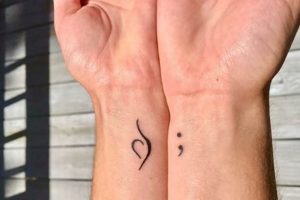
Integrating elements representing significant life events strengthens the connection between faith and personal narrative. A date commemorating a spiritual awakening, a symbol representing a period of hardship overcome through faith, or imagery reflecting a pilgrimage can be incorporated into the tattoo design. These personalized elements weave the individual’s story into the fabric of their faith, creating a powerful and enduring reminder of their journey. For instance, a semicolon tattoo coupled with a religious symbol could represent overcoming struggles through faith.
- Relationships
Tattoos can commemorate significant relationships that have shaped one’s faith journey. Incorporating elements representing loved ones who have influenced spiritual growth or shared beliefs deepens the tattoo’s personal significance. This could involve incorporating initials, birthdates, or symbolic imagery representing shared values. A shared symbol, for example, might represent a bond forged through shared religious experiences.
- Spiritual Practices
Specific spiritual practices, such as meditation, prayer, or pilgrimage, can be visually represented within a tattoo design. Incorporating imagery associated with these practices serves as a constant reminder of the individual’s commitment to their faith. A mandala, representing meditation and mindfulness, or a compass, symbolizing guidance on a spiritual journey, can be incorporated to reflect these personal practices.
- Abstract Concepts
Abstract concepts such as hope, resilience, forgiveness, or gratitude, central to many faith traditions, can be visually represented through symbolic imagery or stylistic choices. These abstract elements add depth and complexity to the tattoo, reflecting the multifaceted nature of personal faith. The use of color, shading, and composition can evoke specific emotions or concepts, creating a visually compelling and deeply personal representation of one’s spiritual understanding.
By incorporating these deeply personal elements, faith-based tattoos transcend mere aesthetics and become powerful expressions of individual spiritual journeys. These personalized touches transform the tattoo into a constant source of inspiration, connection, and affirmation of one’s unique relationship with their faith. The resulting design becomes a tangible representation of the individual’s beliefs, experiences, and aspirations, serving as a powerful reminder of their spiritual path.
Tips for Choosing Faith-Based Tattoos
Selecting a tattoo representing spiritual beliefs requires careful planning and consideration. These tips offer guidance for navigating the process thoughtfully and respectfully, ensuring the resulting tattoo becomes a meaningful and enduring expression of faith.
Tip 1: Research Thoroughly
Extensive research ensures accurate representation and prevents unintentional misappropriation of cultural or religious symbols. Understanding the historical and cultural context of chosen imagery is crucial for respectful representation.
Tip 2: Consult with Professionals
Seeking guidance from reputable tattoo artists experienced in faith-based designs ensures high-quality execution and appropriate stylistic choices. Religious leaders or cultural experts can offer valuable insights regarding respectful representation.
Tip 3: Reflect on Personal Meaning
Consider the specific beliefs, experiences, and values one wishes to convey. Choosing imagery and placement that resonate deeply with personal spirituality ensures the tattoo holds lasting significance.
Tip 4: Choose Placement Carefully
Placement impacts visibility, practicality, and symbolic meaning. Consider professional requirements, pain tolerance, and the desired level of public expression when selecting a location on the body.
Tip 5: Prioritize Quality over Cost
A well-executed tattoo requires investment. Prioritizing quality artistry ensures a lasting and aesthetically pleasing representation of one’s faith. Reputable artists utilize high-quality materials and adhere to strict hygiene standards.
Tip 6: Plan for the Future
Consider the long-term implications of chosen designs and placement. Tattoos are permanent, and choices should reflect a commitment to enduring spiritual beliefs and values.
Tip 7: Embrace the Journey
Getting a faith-based tattoo is a significant decision. Embrace the process of research, reflection, and collaboration with artists. The journey of creating a meaningful tattoo can be a deeply enriching spiritual experience.
Following these guidelines promotes thoughtful decision-making, resulting in a tattoo that serves as a powerful and respectful expression of faith, resonating with personal beliefs and inspiring a deeper connection to one’s spirituality.
These considerations pave the way for a fulfilling experience, transforming a personal expression of faith into a work of art.
Frequently Asked Questions about Faith-Inspired Tattoos
Individuals considering permanent expressions of belief often have questions about design choices, cultural sensitivity, and practical considerations. This section addresses common concerns surrounding faith-inspired body art.
Question 1: How can one ensure respectful representation of religious symbols from other cultures?
Thorough research and consultation with cultural experts are crucial. Understanding the origin, meaning, and appropriate usage of symbols prevents misappropriation and demonstrates respect for other traditions.
Question 2: Are there specific faiths that discourage or prohibit tattoos?
Some religious traditions hold varying views on body art. Researching specific doctrines and consulting with religious leaders provides clarity regarding any potential conflicts with personal beliefs.
Question 3: What factors influence the longevity and vibrancy of a tattoo?
Placement, ink quality, aftercare practices, and sun exposure all affect a tattoo’s appearance over time. Following proper aftercare procedures and protecting the tattoo from excessive sun exposure promotes longevity.
Question 4: How can one choose a tattoo artist specializing in faith-inspired designs?
Reviewing artist portfolios, seeking recommendations, and consulting with artists directly helps individuals identify professionals with experience and expertise in creating meaningful and aesthetically pleasing religious tattoos.
Question 5: Can existing tattoos be incorporated into a faith-based design?
Skilled tattoo artists can often integrate existing tattoos into new designs, creating cohesive and meaningful compositions. Consulting with an artist about potential integration options allows for personalized and creative solutions.
Question 6: What considerations are essential when choosing scriptural passages for a tattoo?
Accuracy, appropriate translation, and personal significance are paramount. Consulting with religious leaders or scholars ensures proper interpretation and respectful representation of sacred texts.
Careful consideration of these frequently asked questions empowers individuals to make informed decisions about expressing their faith through body art, ensuring the resulting tattoo becomes a meaningful and enduring reflection of their beliefs.
Individuals are encouraged to continue their research and consult with qualified professionals throughout the design process. This commitment to thoughtful preparation ensures a positive and fulfilling experience.
Conclusion
Expressing faith through permanent body art represents a profound commitment to one’s beliefs. Careful consideration of symbolism, placement, cultural sensitivity, artistic style, and personal meaning ensures a respectful and powerful representation of one’s spiritual journey. Thorough research, consultation with professionals, and thoughtful reflection are essential for navigating the process responsibly.
Permanent expressions of faith serve as powerful reminders of one’s convictions, offering comfort, strength, and a tangible connection to spirituality. The enduring nature of these artistic expressions underscores the deep and lasting significance of faith in individual lives. Ultimately, the decision to permanently mark one’s body with a symbol of faith represents a profound act of personal devotion and a testament to the enduring power of belief.