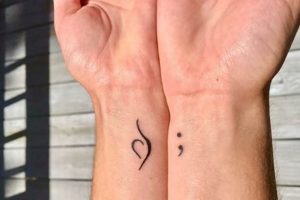



Celestial body designs featuring solar and lunar imagery offer a wide range of symbolic possibilities. Representations might include realistic depictions of the sun and moon, stylized versions incorporating other elements, or abstract interpretations of their duality. Examples range from minimalist line drawings to intricate, detailed artwork, frequently incorporating complementary imagery such as stars, planets, or celestial-themed landscapes.
These designs hold significant cultural and personal meaning across various traditions. The combined imagery often represents balance, harmony, the cyclical nature of life, or the interplay of opposing forces. Historically, the sun has been associated with masculine energy, light, and reason, while the moon symbolizes feminine energy, intuition, and mystery. Choosing this type of design can therefore reflect a personal connection to these concepts, an appreciation for astronomical beauty, or a desire to express a philosophical perspective visually. Such tattoos can serve as powerful reminders of interconnectedness and the constant ebb and flow of existence.
Further exploration of this rich thematic vein reveals diverse stylistic interpretations, placement options, and artistic techniques, allowing for highly personalized and unique tattoo designs. Considerations include the desired level of detail, color palette, size, and the specific symbolism to be emphasized.
1. Symbolism (balance, duality)

Sun and moon imagery inherently embodies concepts of balance and duality. The celestial bodies represent opposing yet complementary forces: light and darkness, masculine and feminine, activity and rest. A sun and moon tattoo can therefore symbolize the wearer’s striving for inner harmony, acknowledging the coexistence of contrasting aspects within themselves or the universe. This visual representation serves as a constant reminder of the interconnectedness of seemingly opposing forces, reflecting an acceptance of life’s cyclical nature. For example, a design featuring intertwined sun and moon imagery might represent the harmonious blending of contrasting energies, while separate depictions could symbolize a conscious effort to balance these forces.
The specific symbolic interpretation can be further personalized through the inclusion of additional elements. Stars might represent guidance or aspiration, while celestial landscapes can evoke a sense of wonder and connection to the cosmos. Choosing particular phases of the moon, such as a crescent moon paired with a full sun, adds another layer of nuance, potentially referencing cycles of growth and transformation. The placement of the tattoo can also contribute to its symbolic meaning. A sun and moon design positioned over the heart, for example, emphasizes the emotional significance of balance and duality.
Understanding the rich symbolism associated with sun and moon imagery allows for a more meaningful and personalized tattoo design. This symbolism resonates deeply with many individuals, offering a powerful way to express personal beliefs and values. Careful consideration of these symbolic elements, along with stylistic choices, ensures a tattoo that is not only visually appealing but also deeply resonant with the wearer’s individual journey.
2. Placement (wrist, back)
Placement significantly impacts the visual effect and symbolic meaning of sun and moon tattoos. Smaller designs, such as minimalist line art or delicate crescent moons paired with small suns, often suit the wrist, ankle, or nape of the neck. These locations offer a subtle yet elegant display, allowing for easy concealment or exposure. The curvature of the wrist, for instance, can complement the circular forms of celestial bodies, creating a harmonious visual flow. Conversely, larger, more intricate designs incorporating detailed landscapes, additional celestial elements, or complex shading techniques benefit from the broader canvas of the back, chest, or thigh. These placements accommodate greater detail and artistic complexity, enabling a more comprehensive visual narrative. The back, in particular, offers a symmetrical surface well-suited to balanced sun and moon compositions.
Placement choices can also amplify the intended symbolism. A sun and moon tattoo positioned over the heart, for example, underscores the emotional significance of balance and duality. Similarly, a design encircling the wrist might represent the cyclical nature of time and the continuous interplay of opposing forces. Practical considerations also influence placement decisions. Areas with more muscle and fat padding tend to offer a less painful tattooing experience, while areas with thinner skin or closer proximity to bone may be more sensitive. Visibility preferences also play a role, with some individuals opting for easily concealed placements while others prefer more prominent displays.
Ultimately, the choice of placement should reflect both aesthetic preferences and the intended symbolic meaning of the tattoo. Careful consideration of body contours, design size and complexity, and personal comfort levels ensures a harmonious integration of the artwork with the individual’s form. The interplay between placement and design strengthens the overall impact of the tattoo, creating a visually compelling and personally meaningful piece of art.
3. Style (minimalist, realistic)

Artistic style significantly influences the aesthetic impact and symbolic representation of sun and moon tattoo designs. The chosen style dictates the level of detail, the use of color, and the overall visual impression. From simple line art to intricate photorealism, the stylistic spectrum offers a diverse range of options, each contributing a unique character to the final artwork. Selecting a style that aligns with personal preferences and the intended meaning of the tattoo is essential for a successful and satisfying outcome.
- Minimalist
Minimalist designs emphasize simplicity and clean lines. Often rendered in black ink, these tattoos focus on essential forms and symbolic representation over intricate detail. A minimalist sun and moon tattoo might feature thin, geometric outlines of the celestial bodies, perhaps intertwined or positioned in opposing configurations. This style conveys a sense of elegance and understated sophistication, focusing on the core symbolism of balance and duality without unnecessary embellishment. Minimalist designs are often favored for smaller placements, such as the wrist or ankle.
- Realistic
Realistic depictions prioritize detailed accuracy and visual depth. These tattoos often incorporate shading, texture, and intricate details to capture the celestial bodies’ appearance authentically. A realistic sun and moon tattoo might feature detailed depictions of the sun’s surface and the moon’s craters, potentially incorporating elements like sun flares or lunar phases. This style evokes a sense of awe and wonder, highlighting the natural beauty and grandeur of these celestial objects. Realistic designs typically require larger canvases, such as the back or chest, to accommodate the level of detail involved.
- Geometric
Geometric styles incorporate precise shapes and patterns to create visually striking designs. Sun and moon tattoos in this style might feature the celestial bodies rendered as interconnected geometric forms, such as triangles, circles, or mandalas. This style offers a modern and abstract interpretation of traditional symbolism, emphasizing interconnectedness and cosmic harmony. Geometric designs can adapt to various sizes and placements, offering versatility in terms of artistic expression.
- Watercolor
The watercolor style mimics the fluidity and vibrancy of watercolor paintings. Sun and moon tattoos in this style often feature splashes of color and diffused edges, creating a dreamlike and ethereal effect. This style lends itself well to depictions of celestial phenomena like nebulae or auroras, adding a touch of mystique and otherworldly beauty to the design. Watercolor tattoos can be visually striking, but require careful consideration of colorfastness and potential fading over time.
The chosen style significantly impacts the overall impression and symbolic resonance of a sun and moon tattoo. By carefully considering stylistic preferences and the intended meaning, individuals can collaborate with tattoo artists to create designs that are both visually captivating and deeply personal. Whether opting for the clean simplicity of minimalism, the detailed realism of photographic representations, the structured elegance of geometric patterns, or the ethereal beauty of watercolor, the chosen style serves as a powerful tool for self-expression and storytelling through body art.
4. Color palette (blackwork, watercolor)
Color palettes significantly impact the mood, symbolism, and visual impact of sun and moon tattoo designs. Careful color selection enhances the chosen style and amplifies the intended message. Blackwork, utilizing solely black ink, offers a stark contrast and bold aesthetic. This palette emphasizes the interplay of light and shadow, creating a dramatic and timeless effect. Intricate details, such as fine lines and dotwork, emerge prominently within blackwork, allowing for complex depictions of celestial features. Blackwork sun and moon tattoos often evoke a sense of mystery and ancient symbolism, reminiscent of traditional woodcut illustrations.
Conversely, watercolor palettes introduce a vibrant spectrum of hues, creating a softer, more ethereal aesthetic. These palettes allow for artistic blending and gradients, mimicking the diffused quality of watercolor paintings. Sun and moon designs rendered in watercolor often feature vibrant backgrounds resembling nebulae or galaxies, adding depth and visual interest. The fluidity of watercolor lends itself to depicting celestial phenomena, such as auroras or solar flares, enhancing the sense of movement and energy. However, watercolor tattoos require careful consideration of colorfastness and potential fading over time, necessitating consultation with experienced artists specializing in this technique. A skilled artist can blend colors effectively to evoke specific moods: cool blues and purples might create a serene nocturnal scene, while warm oranges and yellows evoke the sun’s radiant energy.
Selecting a color palette requires thoughtful consideration of the desired aesthetic and symbolic meaning. Blackwork emphasizes contrast and graphic clarity, suitable for designs focusing on strong symbolism and intricate details. Watercolor, in contrast, offers a vibrant and dynamic aesthetic, ideal for designs emphasizing movement, energy, and celestial phenomena. The chosen color palette, in conjunction with style and placement, ultimately determines the final visual impact and enduring appeal of a sun and moon tattoo. Careful consideration of these elements ensures a cohesive and personally resonant piece of body art.
5. Size (small, large scale)
Size considerations play a crucial role in the design and impact of sun and moon tattoos. The chosen scale significantly influences the level of detail, placement options, and overall visual effect. A small-scale design necessitates simplified imagery and careful linework, while a large-scale tattoo allows for greater complexity and intricate detailing. Scale also interplays with placement, as smaller tattoos suit delicate areas like the wrist or ankle, whereas larger designs benefit from broader canvases like the back or chest. Understanding the implications of size allows for informed decisions regarding design elements and optimal placement, maximizing the tattoo’s aesthetic and symbolic impact.
- Small-Scale Designs
Small-scale sun and moon tattoos prioritize simplicity and symbolic representation. Limited space necessitates streamlined designs, often featuring minimalist linework or silhouette-style depictions. These smaller tattoos are ideal for discreet placements like the wrist, ankle, nape of the neck, or behind the ear. They offer a subtle yet elegant way to express personal meaning, easily concealed or revealed as desired. Small-scale designs often focus on core symbolism, using concise imagery to convey balance, duality, or celestial harmony. For example, a small crescent moon intertwined with a small sun on the wrist can symbolize personal equilibrium.
- Large-Scale Designs
Large-scale sun and moon tattoos provide ample space for intricate details, complex compositions, and expansive visual narratives. These designs can incorporate realistic depictions of celestial bodies, intricate backgrounds featuring stars and galaxies, or symbolic elements like celestial landscapes or mythological figures. Large-scale tattoos often grace areas like the back, chest, thighs, or sleeves, allowing for expansive artwork and detailed shading. These pieces can become powerful statements of personal expression, showcasing artistic skill and symbolic depth. For instance, a large back piece depicting a detailed sun and moon surrounded by a swirling nebula can represent the vastness and wonder of the cosmos.
- Proportion and Balance
Regardless of scale, maintaining visual balance and proportion within the design is essential. The relative sizes of the sun and moon, along with any additional elements, contribute to the overall harmony and symbolic meaning. A balanced composition ensures that the design remains visually appealing and effectively communicates the intended message. For example, a small sun paired with a disproportionately large moon might shift the symbolic focus towards lunar energy and intuition. Careful consideration of proportions ensures that the design elements work together harmoniously, regardless of overall size.
- Impact of Placement
The interplay between size and placement significantly influences the visual impact of sun and moon tattoos. A small, detailed design might appear cluttered or indistinct on a small area like the finger, while a large, simplistic design might appear underwhelming on a large canvas like the back. Choosing the appropriate scale for the intended placement ensures that the design elements are showcased effectively and the overall composition remains balanced. For instance, a detailed, realistic depiction of the sun and moon would suit a larger area like the thigh, while a minimalist line drawing would be better suited to a smaller area like the wrist.
Size serves as a fundamental design element in sun and moon tattoos, affecting visual impact, placement options, and the level of detail achievable. Careful consideration of scale, in conjunction with other design elements like style and color palette, ensures a harmonious and impactful representation of chosen symbolism. Whether opting for the subtle elegance of a small-scale design or the expansive narrative of a large-scale piece, the chosen size contributes significantly to the overall aesthetic and symbolic resonance of the tattoo.
6. Additional elements (stars, landscapes)

Supplementary elements significantly enhance the narrative and visual depth of sun and moon tattoo designs. Incorporating stars, constellations, or celestial landscapes transforms a simple sun and moon motif into a more complex and personalized representation of the cosmos. Stars, often symbolizing guidance, hope, or destiny, add a celestial dimension, creating a sense of wonder and connection to the universe. Specific constellations can hold personal significance, representing astrological signs, important dates, or loved ones. Celestial landscapes, depicting nebulae, galaxies, or swirling cosmic dust, amplify the sense of vastness and mystery, transforming the tattoo into a miniature representation of the cosmos on the skin. The choice of additional elements depends on individual preferences and the desired symbolic meaning.
Including such elements expands symbolic possibilities. A shooting star streaking across the design might represent a significant life event or a pursuit of dreams. A specific constellation could commemorate a birthdate or honor a loved one. A swirling nebula backdrop adds a sense of cosmic depth, highlighting the interconnectedness of all things. These additions provide layers of meaning, allowing for a more profound and personalized expression. The choice of elements also influences the overall aesthetic. Delicate, sparsely placed stars create a sense of ethereal beauty, while a dense cluster of stars evokes the Milky Way’s grandeur. A vibrant nebula backdrop adds a splash of color and dynamism, while a silhouetted landscape emphasizes the contrast between celestial bodies and the surrounding void.
Careful selection and placement of additional elements strengthen the overall composition and narrative of sun and moon tattoos. These additions move beyond simple aesthetics, transforming the design into a personal reflection of one’s connection to the cosmos. The resulting artwork becomes a powerful symbolic representation of individual beliefs, aspirations, and appreciation for the vastness and mystery of the universe. Considering the symbolic implications and visual impact of these elements ensures a cohesive and deeply meaningful tattoo design.
Tips for Effective Sun and Moon Tattoo Designs
Successful celestial body tattoos require careful consideration of several factors. These tips offer guidance for creating meaningful and visually appealing designs.
Tip 1: Research Symbolism: Explore the rich symbolism associated with solar and lunar imagery across various cultures and personal beliefs. Understanding these symbolic meanings ensures a design resonant with personal values. For example, researching lunar phases adds depth and nuance to the design’s symbolism.
Tip 2: Consider Placement Carefully: Placement impacts both visibility and symbolic meaning. Smaller designs suit delicate areas like the wrist or ankle, while larger, more intricate pieces benefit from expansive canvases like the back or chest. Placement over the heart, for example, emphasizes the emotional significance of the design.
Tip 3: Choose a Style that Resonates: From minimalism to realism, diverse artistic styles influence the tattoo’s overall aesthetic. Select a style aligning with personal preferences and the intended message. A minimalist style emphasizes clean lines and symbolic representation, while realism focuses on detailed accuracy.
Tip 4: Explore Color Palettes: Color palettes significantly impact mood and visual impact. Blackwork creates a bold, timeless effect, while watercolor offers vibrant, ethereal aesthetics. Consider the desired mood and long-term colorfastness when selecting a palette.
Tip 5: Plan for Appropriate Size: Scale influences detail and placement options. Small-scale designs prioritize simplicity, while large-scale tattoos accommodate intricate details and expansive imagery. Ensure the chosen size complements the design’s complexity and intended placement.
Tip 6: Incorporate Meaningful Additional Elements: Enhance the narrative by adding stars, constellations, or celestial landscapes. These elements add layers of symbolism and visual interest, creating a more personalized and evocative design.
Tip 7: Collaborate with a Skilled Artist: Consult experienced tattoo artists specializing in the chosen style and subject matter. A skilled artist provides valuable insights, ensures proper execution, and translates concepts into stunning visual representations.
By considering these factors, individuals ensure a sun and moon tattoo that is not only visually striking but also deeply meaningful and personally resonant.
These considerations pave the way for a final design that embodies personal expression and artistic excellence.
Frequently Asked Questions
This section addresses common inquiries regarding sun and moon tattoo designs, providing clarity on practical and symbolic considerations.
Question 1: What is the typical cost of a sun and moon tattoo?
Cost depends on size, complexity, artist’s experience, and geographic location. Small, simple designs might range from $50 to $200, while larger, more intricate pieces can cost several hundred or even thousands of dollars. Consulting multiple artists allows for comparison and budget planning.
Question 2: How painful are sun and moon tattoos?
Pain levels vary based on individual pain tolerance, placement, and tattoo size. Areas with thinner skin or closer proximity to bone tend to be more sensitive. Discussing pain management options with the chosen artist helps mitigate discomfort during the process.
Question 3: How long does a sun and moon tattoo take to heal?
Healing typically takes 2-4 weeks. Proper aftercare, including regular cleaning and moisturizing, is essential for optimal healing and preventing infection. Following the artist’s aftercare instructions diligently ensures proper healing and color vibrancy.
Question 4: Can sun and moon tattoos be customized to incorporate personal elements?
Customization is readily achievable. Collaborating with a skilled artist allows for the incorporation of personal elements such as specific phases of the moon, constellations, or stylistic interpretations that hold personal significance. Open communication with the artist ensures a unique design reflective of individual preferences.
Question 5: What are the best placements for sun and moon tattoos?
Optimal placement depends on design size and personal preference. Smaller designs suit the wrist, ankle, or nape of the neck. Larger, more intricate pieces benefit from larger canvases like the back, chest, or thigh. Placement also impacts visibility and symbolic meaning; for instance, positioning over the heart emphasizes emotional significance.
Question 6: Do sun and moon tattoos hold specific cultural or symbolic meanings?
These designs hold rich symbolism across diverse cultures, often representing balance, duality, and the cyclical nature of life. The sun frequently symbolizes masculine energy and reason, while the moon represents feminine energy and intuition. Researching symbolic meanings enriches the personal significance of the design.
Careful consideration of these factors ensures a well-informed decision resulting in a meaningful and aesthetically pleasing tattoo.
Further resources and inspiration can be found online and through consultations with reputable tattoo artists.
Conclusion
Exploration of sun and moon tattoo designs reveals a rich tapestry of symbolic meanings, stylistic interpretations, and practical considerations. From minimalist linework to intricate cosmic landscapes, these designs offer diverse avenues for personal expression. Placement, size, color palette, and additional elements contribute significantly to the overall aesthetic and symbolic impact. Careful consideration of these factors ensures a cohesive and meaningful design.
Ultimately, a sun and moon tattoo represents a powerful visual narrative, embodying balance, duality, and the interconnectedness of seemingly opposing forces. The enduring appeal of these celestial bodies as artistic subjects underscores their profound symbolic resonance within human consciousness. Choosing a design that aligns with personal values and aesthetic preferences results in a lasting piece of art that resonates deeply with the individual’s journey.