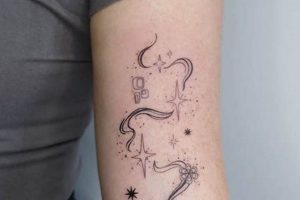



Small, delicate artwork applied to the feet offers a unique canvas for self-expression. Popular designs range from minimalist line drawings and symbolic imagery to intricate patterns and vibrant colors, often influenced by personal experiences, cultural heritage, or aesthetic preferences. Examples include floral motifs, mandalas, inspirational quotes, or representations of beloved pets.
Foot tattoos offer a blend of visibility and discretion. They can be easily displayed with open-toed shoes or sandals, yet remain concealed in professional settings or more formal occasions. This controlled visibility makes them appealing to individuals seeking a personal form of expression that doesn’t necessarily need to be constantly on display. Historically, foot adornment has held cultural significance in various societies, often symbolizing status, beliefs, or rites of passage, lending a deeper layer of meaning to modern foot tattoos.
Considerations for foot tattoos include pain tolerance (as the foot is considered a sensitive area), proper aftercare due to the location’s exposure to friction and pressure, and the selection of a skilled artist experienced in fine detail work. Exploring design styles, placement options, and potential challenges will ensure a successful and fulfilling tattoo experience.
1. Placement

Placement is a critical factor in foot tattoo design, influencing both the aesthetic impact and practical considerations like visibility, wear and tear, and pain levels. Careful consideration of placement ensures the design complements the foot’s anatomy and aligns with individual preferences.
- Top of the Foot
The top of the foot offers a larger, flatter canvas suitable for more elaborate designs. Visibility is high, making it ideal for showcasing intricate artwork or bold statements. Examples include mandalas, floral patterns, or script. However, this area experiences more friction from footwear, potentially impacting ink longevity.
- Side of the Foot
The outer and inner sides of the foot provide a more discreet canvas for smaller, simpler designs. Visibility is selective, offering a balance between personal expression and subtlety. Delicate linework, small symbols, or short quotes are common choices. The curvature of the foot presents a design challenge, requiring careful planning.
- Ankle
The ankle area offers a versatile option, accommodating various sizes and styles. Visibility is easily controlled depending on footwear. Designs can wrap around the ankle, extend towards the foot, or stand alone. Examples include bracelets, vines, or geometric patterns. Pain levels are generally lower in this area compared to other foot locations.
- Toes
Toes provide a limited canvas for very small, minimalist designs. Visibility is high during warmer months. Tiny symbols, single words, or simple linework are common choices. Due to the small surface area and proximity to bone, this placement is considered one of the more painful options.
Ultimately, the best placement for a foot tattoo depends on the individual’s desired aesthetic, pain tolerance, and lifestyle. Careful consideration of these factors, in consultation with a skilled tattoo artist, will ensure a successful and satisfying outcome, creating a piece of art that complements the unique contours of the foot.
2. Size and Scale
Size and scale are fundamental aspects of foot tattoo design, directly impacting the visual harmony, legibility, and longevity of the artwork. The foot’s relatively small and curved surface presents unique challenges and opportunities, requiring careful consideration of design dimensions in relation to the chosen placement and overall aesthetic. A well-scaled tattoo complements the foot’s anatomy, enhancing its natural contours rather than appearing disproportionate or overwhelming.
Smaller designs, such as delicate linework, minimalist symbols, or short text, are often favored for placements on the toes, the side of the foot, or the ankle. These smaller scales maintain clarity and prevent the design from becoming distorted by the foot’s movement and curvature. Larger, more intricate designs, such as mandalas, floral patterns, or portraits, are better suited for the top of the foot, where the larger, flatter surface provides ample space for detail. However, even on the top of the foot, careful scaling is crucial to avoid overcrowding or a visually cluttered appearance. For instance, a large, intricate design might be more impactful if broken down into smaller, interconnected elements that flow with the foot’s shape rather than attempting to fit a complex image onto a limited area.
Scale also influences the longevity of the tattoo. Fine lines and intricate details tend to blur or fade more quickly than bolder lines and simpler shapes, especially in high-friction areas like the foot. Therefore, choosing a scale appropriate for the design complexity and anticipated wear and tear is essential for maintaining the tattoo’s visual integrity over time. Ultimately, harmonious size and scale are essential for creating a foot tattoo that is both aesthetically pleasing and enduring, ensuring the design remains clear, legible, and complements the foot’s natural beauty.
3. Style and design
Style and design are paramount in realizing aesthetically pleasing and personally meaningful foot tattoos. The chosen style significantly impacts the tattoo’s visual appeal, longevity, and how it interacts with the foot’s anatomy. Careful consideration of various stylistic elements, coupled with a deep understanding of design principles, ensures a harmonious blend of artistry and personal expression.
- Minimalist
Minimalist designs emphasize simplicity and clean lines. Often featuring geometric shapes, fine linework, or small symbols, this style offers a subtle yet impactful approach. Its understated elegance complements the foot’s delicate structure and lends itself well to smaller placements like the toes or ankle. Examples include single line drawings of flowers, tiny geometric patterns, or minimalist script. The clean lines age well, making it a practical choice for a location prone to wear and tear.
- Ornamental
Inspired by decorative arts and cultural motifs, ornamental designs often incorporate intricate patterns, detailed linework, and symbolic elements. Henna-inspired patterns, mandalas, and lace-like designs are common examples. This style offers a visually rich and complex aesthetic, suitable for larger placements on the top of the foot. However, the intricate details require a skilled artist and may require touch-ups over time due to the foot’s constant movement and contact.
- Floral
Floral designs remain a popular choice, offering a timeless and versatile aesthetic. From simple outlines of blossoms to detailed depictions of entire bouquets, floral motifs can be adapted to various styles and placements. Roses, lotus flowers, and cherry blossoms are frequently chosen for their symbolic meanings. Floral designs can be rendered in various styles, from delicate watercolor effects to bold, traditional outlines, providing ample creative flexibility.
- Script
Script tattoos feature words, phrases, or quotes, allowing for personal and meaningful expressions. The choice of font, size, and placement greatly influence the overall aesthetic. Short, impactful quotes, single words, or meaningful names are often chosen for foot placements. Careful consideration of font legibility and the potential for blurring over time is crucial, especially for smaller placements or intricate scripts.
The interplay of style and design ultimately determines the success of a foot tattoo. Selecting a style that resonates with individual preferences and complements the foot’s anatomy is essential. Collaborating with a skilled tattoo artist to refine design choices and ensure technical precision further enhances the final outcome, resulting in a piece of art that is both visually captivating and deeply personal.
4. Pain Management

Pain management is a crucial aspect of the foot tattooing process. The foot’s sensitivity, due to thin skin and proximity to bone, makes it a relatively painful area for tattoo application. Effective pain management strategies are essential for ensuring client comfort and allowing the artist to work efficiently, ultimately contributing to a positive tattooing experience and a higher quality result. Neglecting pain management can lead to premature termination of the session, compromising the design’s completion and potentially affecting the healing process.
Several methods can mitigate discomfort during a foot tattoo. Topical anesthetic creams, applied prior to the procedure, can numb the area and significantly reduce pain sensation. Over-the-counter pain relievers, such as ibuprofen or acetaminophen, taken before the appointment, can also help manage discomfort. During the session, taking breaks as needed allows for rest and helps manage pain buildup. Deep breathing techniques and distraction methods, such as listening to music or engaging in conversation, can also help manage discomfort by shifting focus away from the sensation. Open communication between the client and artist is paramount; the artist can adjust their technique or provide breaks as needed based on the client’s pain tolerance and feedback.
Understanding and addressing pain effectively contribute significantly to a successful foot tattoo experience. While individual pain thresholds vary, proactive pain management strategies empower clients to endure the process more comfortably, enabling the artist to execute the design with precision and care. This collaborative approach ensures a positive experience and contributes to a beautifully executed and well-healed tattoo. Failing to address pain adequately can lead to unnecessary stress and anxiety, negatively impacting both the client and the artistic process.
5. Aftercare Practices
Diligent aftercare is paramount for preserving the vibrancy and longevity of foot tattoos. Given the foot’s constant contact with footwear and its propensity for swelling, meticulous care is essential for preventing infection, promoting proper healing, and minimizing ink fading or distortion. Neglecting aftercare can compromise the aesthetic integrity of the tattoo and increase the risk of complications.
- Washing and Moisturizing
Regular washing with a mild, fragrance-free soap is crucial for removing excess ink, plasma, and potential contaminants. Gentle patting dry, followed by application of a thin layer of fragrance-free, tattoo-specific moisturizer, keeps the area hydrated and promotes healthy skin regeneration. Over-moisturizing can suffocate the tattoo and hinder healing.
- Protection and Footwear
Protecting the tattoo from friction and pressure is vital, especially during the initial healing phase. Loose-fitting, breathable footwear, preferably made of natural materials, minimizes irritation and allows for proper air circulation. Avoiding high heels, tight shoes, and strenuous activities that put pressure on the foot promotes optimal healing and prevents disruption of the tattooed area.
- Sun Protection
Sun exposure can significantly fade tattoo ink, especially during the healing process. Consistent application of a high-SPF sunscreen, even after the tattoo is fully healed, protects the color vibrancy and prevents premature aging of the tattoo. Direct sunlight should be avoided as much as possible, especially during the initial healing weeks.
- Avoiding Soaking and Submersion
Prolonged soaking in water, such as baths, swimming pools, or hot tubs, should be avoided during the healing period. Excessive moisture can soften the skin and dislodge ink, compromising the tattoo’s clarity and increasing the risk of infection. Showers are preferable to baths, and the tattooed area should be gently patted dry immediately afterward.
Proper aftercare practices are integral to ensuring the long-term beauty and health of foot tattoos. Adhering to these guidelines minimizes complications, preserves the vibrancy of the design, and ensures the artwork heals properly, integrating seamlessly with the contours of the foot. Consistent and meticulous care ultimately protects the investment made in the tattoo, maintaining its aesthetic appeal for years to come.
6. Artist Selection
Artist selection is paramount when considering a foot tattoo. The foot’s unique anatomy, its constant movement, and the intricacies often desired in foot designs necessitate a skilled artist with specific expertise. Choosing an artist solely based on price or proximity can compromise the aesthetic outcome and longevity of the tattoo. A qualified artist understands the challenges presented by the foot’s curvature and can adapt designs to flow seamlessly with its contours. Their experience in fine line work, detailed shading, and color application is crucial for achieving a high-quality, enduring result.
A skilled artist specializing in the desired style, whether minimalist, ornamental, or illustrative, is essential for realizing the client’s vision. Reviewing an artist’s portfolio, focusing on examples of their foot tattoo work, offers valuable insight into their technical proficiency and artistic sensibility. An experienced artist will guide design choices, considering placement, size, and detail level to ensure the tattoo complements the foot’s anatomy and withstands the test of time. For instance, an artist specializing in fine line botanicals might be ideal for a delicate floral design on the ankle, while an artist experienced in geometric patterns would be better suited for a mandala on the top of the foot. Consulting with potential artists and discussing design ideas allows clients to assess the artist’s understanding of their vision and their ability to execute it effectively.
Selecting the right artist significantly impacts the overall success and satisfaction of a foot tattoo. Prioritizing experience, stylistic compatibility, and a commitment to hygiene and aftercare protocols ensures a positive experience and a high-quality, enduring result. This investment in artist selection protects not only the aesthetic integrity of the tattoo but also the client’s health and well-being. A well-chosen artist collaborates with the client to create a piece of art that enhances the foot’s natural beauty and serves as a meaningful form of self-expression.
Tips for Foot Tattoos
Careful planning is crucial for successful foot tattoos. These tips offer guidance for navigating the design process, ensuring a positive experience and a beautiful, long-lasting result.
Tip 1: Research Thoroughly
Explore various design styles, research potential artists, and consider placement options before committing to a design. Gathering inspiration and understanding the practicalities of foot tattoos ensures informed decisions.
Tip 2: Prioritize Experienced Artists
Seek artists specializing in fine line detail and familiar with the challenges of tattooing the foot. Their expertise ensures clean lines, precise execution, and a design that complements the foot’s anatomy.
Tip 3: Choose Designs Wisely
Opt for designs that translate well to the foot’s curved surface. Simple, bold lines often age better than intricate details in this high-friction area. Discuss design scalability and longevity with the chosen artist.
Tip 4: Consider Placement Carefully
Placement impacts visibility, wear and tear, and pain levels. The top of the foot offers a larger canvas, while the sides and ankles offer discretion. Discuss placement pros and cons with the artist.
Tip 5: Prepare for Pain
The foot is a sensitive area. Discuss pain management options with the artist, such as topical anesthetics or over-the-counter pain relievers. Mental preparation and relaxation techniques can also help manage discomfort.
Tip 6: Commit to Aftercare
Diligent aftercare is essential for proper healing and ink retention. Follow the artist’s instructions meticulously, including cleaning, moisturizing, and protecting the tattoo from friction and sun exposure. Proper aftercare significantly impacts the tattoo’s longevity.
Tip 7: Factor in Healing Time
Foot tattoos require adequate healing time due to their location and exposure to pressure. Avoid strenuous activities and tight footwear during the healing period. Patience during this phase ensures optimal results.
Careful consideration of these tips empowers individuals to make informed decisions, ensuring a positive tattooing experience and a foot tattoo that remains aesthetically pleasing and personally meaningful for years to come.
By following these guidelines and collaborating closely with a skilled artist, individuals can confidently embark on their foot tattoo journey, realizing a design that reflects their personal style and complements the unique canvas of the foot.
Frequently Asked Questions
Addressing common inquiries regarding foot tattoos provides clarity and facilitates informed decision-making. The following questions and answers offer valuable insights for those considering this unique form of self-expression.
Question 1: How painful are foot tattoos?
Pain levels vary based on individual tolerance, placement, and design complexity. The foot is generally considered a more sensitive area due to thin skin and proximity to bone. Consulting with the artist regarding pain management strategies is recommended.
Question 2: How long do foot tattoos take to heal?
Healing typically takes several weeks, potentially longer due to the foot’s constant movement and contact with footwear. Adhering to aftercare instructions is crucial for proper and timely healing.
Question 3: Do foot tattoos fade faster than other tattoos?
Foot tattoos can be more prone to fading due to friction from footwear and exposure to sunlight. Choosing appropriate designs, diligent sun protection, and touch-ups as needed can mitigate fading.
Question 4: What are the best design choices for foot tattoos?
Designs with bolder lines and less intricate detail tend to hold up better over time. Simple, impactful designs often age more gracefully than highly detailed or complex artwork on the foot.
Question 5: What should one consider when choosing a tattoo artist for a foot tattoo?
Prioritize artists experienced in tattooing feet, with demonstrable skill in fine line work and an understanding of how designs interact with the foot’s anatomy. Reviewing portfolios and consulting with potential artists is essential.
Question 6: How much do foot tattoos typically cost?
Costs vary based on design complexity, size, artist experience, and studio location. Requesting consultations and quotes from several artists allows for informed budget planning.
Thorough consideration of these frequently asked questions, coupled with consultations with reputable tattoo artists, ensures informed decisions and a successful foot tattoo experience. Addressing concerns proactively promotes realistic expectations and contributes to a fulfilling outcome.
Equipped with this knowledge, individuals can confidently proceed with their foot tattoo plans, embarking on a journey of self-expression with a clear understanding of the process, challenges, and rewards.
Conclusion
Careful consideration of placement, size, style, pain management, aftercare, and artist selection are crucial for successful foot tattoos. Placement options range from the top of the foot to the ankle, each influencing visibility and design suitability. Size and scale must complement the foot’s anatomy, with smaller designs often preferred for the foot’s unique contours. Style considerations encompass minimalist designs, intricate patterns, or symbolic imagery, each requiring specific artistic expertise. Pain management is essential due to the foot’s sensitivity, and diligent aftercare ensures proper healing and longevity. Choosing a skilled artist specializing in fine detail work guarantees a high-quality, personalized tattoo.
Foot tattoos offer a unique canvas for self-expression, allowing individuals to showcase personal aesthetics in a discreet yet impactful manner. Thoughtful planning and collaboration with a skilled artist are essential for realizing a design that complements the foot’s natural beauty and stands the test of time. By approaching the process with awareness and understanding, individuals can achieve a foot tattoo that remains a source of personal pride and aesthetic satisfaction for years to come.