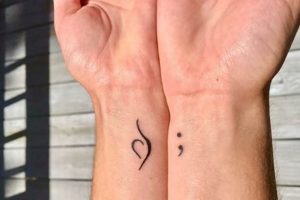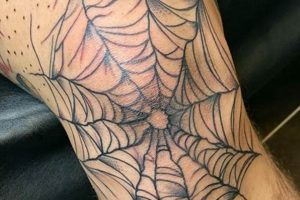



Permanent body art incorporating dates of birth serves as a lasting tribute to significant life events. These designs can range from simple numerical representations to complex artistic renderings incorporating Roman numerals, symbolic imagery, or significant anniversaries. For example, a minimalist design might feature the year of birth in a clean, sans-serif font, while a more elaborate design could intertwine the birth date with floral motifs or portraits.
Commemorating personal milestones through body art provides a tangible connection to cherished memories. This form of expression allows individuals to carry a piece of their personal history with them, offering a constant reminder of important dates and loved ones. Historically, marking the body with significant dates and symbols has been practiced across various cultures for reasons ranging from spiritual significance to tribal identification. The modern interpretation of this practice often emphasizes personal meaning and aesthetic expression.
Various design elements, artistic styles, and placement options influence the final presentation of birth date tattoos. The following sections will explore these considerations in greater detail, providing guidance for those seeking inspiration and practical advice.
1. Numerals
Numerals form the core element of birth date tattoos, offering diverse stylistic choices that significantly impact the design’s overall aesthetic. Selecting an appropriate numeral system is crucial, as it influences the tattoo’s visual character and cultural connotations. Options include Arabic numerals (1, 2, 3), Roman numerals (I, II, III), and other less common systems. Each system carries distinct visual weight and historical associations, impacting the final design. For example, Roman numerals often evoke a sense of classicism and formality, while Arabic numerals offer a cleaner, more contemporary look. The choice of numerals can also depend on the birth date itself; certain numbers may lend themselves better to specific numeral systems for aesthetic balance and legibility.
Practical considerations regarding numeral choice include the desired size and complexity of the tattoo. Intricate Roman numerals representing a long date might require a larger area than compact Arabic numerals. Legibility over time is another factor. Small, detailed numerals can blur with age, making simpler, bolder choices more suitable for smaller tattoos. Ultimately, the selection of a numeral system requires careful consideration of personal preferences, the overall design concept, and the practical limitations imposed by the chosen placement and size. A skilled tattoo artist can provide guidance on the best approach for specific design requirements, ensuring the chosen numerals remain clear and aesthetically pleasing for years to come.
Careful selection of numerals is paramount in creating a visually appealing and meaningful birth date tattoo. The interplay between numeral system, tattoo size, placement, and desired style contributes significantly to the final result. Understanding the nuances of each numeral system allows for informed decision-making, resulting in a tattoo that effectively balances aesthetics, legibility, and personal significance. This attention to detail elevates a simple date into a lasting piece of personal art.
2. Placement

Placement is a critical factor in the design and impact of birth date tattoos. The chosen location on the body affects visibility, personal meaning, and the overall aesthetic. Considerations include the size and complexity of the design, the wearer’s comfort level with visibility, and the symbolism associated with specific body areas. A well-chosen placement enhances the tattoo’s message and integrates it harmoniously with the body’s natural contours.
- Visibility and Discretion
The level of visibility desired influences placement decisions. Highly visible areas like the wrist or forearm make the tattoo a prominent statement, while more discreet locations such as the ribcage or back offer privacy. The wearer’s profession and lifestyle may also influence placement choices, as some workplaces have restrictions on visible tattoos. For example, a small, minimalist birth date tattoo on the inner wrist can be easily concealed, while a larger, more elaborate design on the forearm is intended for open display.
- Anatomical Considerations
The body’s natural curves and contours influence how the tattoo appears and ages. Areas with significant movement or flexing, such as joints, require careful design adaptation. A skilled tattoo artist considers these factors to ensure the design flows naturally with the body and maintains its integrity over time. For instance, a circular design might be more suitable for a rounded area like the shoulder, while a linear design might complement the length of the forearm.
- Symbolic Significance
Certain body areas hold symbolic meaning in various cultures and traditions. Placement can be used to further enhance the personal significance of a birth date tattoo. For example, a tattoo placed near the heart can represent the importance of family and loved ones born on that date. Similarly, a birth date placed on the wrist might symbolize the passage of time and the individual’s journey through life. Understanding these symbolic associations can add another layer of depth to the tattoo’s meaning.
- Size and Complexity
The size and complexity of the design dictate appropriate placement options. Large, intricate designs require ample space and often suit larger areas like the back or thigh. Smaller, simpler designs can be placed on more limited areas like the wrist, ankle, or behind the ear. Placement choices should complement the design’s scale, ensuring visual balance and avoiding a cramped or overwhelming appearance. A large, detailed design on a small area can lose clarity and impact, while a small, minimalist design on a large area might appear lost or insignificant.
Careful consideration of placement ensures the birth date tattoo becomes a harmonious and meaningful part of the wearer’s personal narrative. By understanding the interplay between visibility, anatomical considerations, symbolic significance, and design complexity, individuals can make informed choices that maximize the tattoo’s aesthetic impact and personal resonance. The chosen placement ultimately shapes how the tattoo interacts with the body and communicates its message to the world, solidifying its role as a lasting tribute to a significant date.
3. Style
Style significantly influences the aesthetic impact and personal expression of birth date tattoos. The chosen artistic style dictates the overall visual character of the tattoo, ranging from minimalist and modern to intricate and traditional. Understanding various stylistic approaches enables informed decisions that align with individual preferences and the desired message. This exploration of diverse styles provides a framework for selecting a visually compelling and personally resonant design.
- Minimalism
Minimalist birth date tattoos prioritize simplicity and clarity. Often featuring clean lines, fine details, and limited color palettes, these designs emphasize the date’s numerical representation. Common minimalist approaches include using sleek, sans-serif fonts or delicate Roman numerals. This style suits individuals seeking understated elegance and timeless appeal. A minimalist tattoo might feature the birth year in a small, unadorned font placed discreetly on the wrist.
- Realism
Realism focuses on detailed and lifelike depictions. In the context of birth date tattoos, realism can manifest through portraiture, incorporating the image of a person born on that date, or through photorealistic depictions of objects or scenes associated with the date’s significance. This style requires a highly skilled tattoo artist capable of capturing intricate details and subtle nuances. A realistic tattoo might feature a portrait of a loved one alongside their birth date, rendered with lifelike detail.
- Watercolor
Watercolor tattoos emulate the fluidity and vibrancy of watercolor paintings. This style lends itself to incorporating splashes of color, soft transitions, and abstract elements alongside the birth date numerals. The effect is often ethereal and artistic, adding a dynamic and expressive dimension to the design. A watercolor birth date tattoo might feature the date interwoven with flowing, colorful floral motifs, mimicking the delicate washes of a watercolor painting.
- Traditional
Traditional tattoo styles, such as American Traditional or Japanese Traditional, offer bold lines, vibrant colors, and iconic imagery. Birth dates can be incorporated into these established stylistic frameworks, often surrounded by symbolic elements like anchors, roses, or dragons. Traditional styles offer a timeless and recognizable aesthetic with rich historical roots. A traditional birth date tattoo might feature the date rendered in a bold, classic font, framed by traditional imagery like swallows or anchors.
The chosen style significantly impacts the overall aesthetic and emotional resonance of a birth date tattoo. Selecting a style that aligns with personal preferences and the intended message is crucial. Whether opting for the understated elegance of minimalism, the intricate detail of realism, the vibrant fluidity of watercolor, or the bold symbolism of traditional styles, careful consideration of stylistic elements ensures a visually compelling and personally meaningful result. The interplay between style, placement, and numeral choice ultimately shapes the final presentation and enduring impact of the birth date tattoo.
4. Symbolism

Symbolism imbues birth date tattoos with deeper meaning, transforming a simple date into a powerful personal statement. Incorporating symbolic elements elevates the design’s significance beyond a mere numerical representation, connecting it to broader themes of life, legacy, and personal values. This symbolic layer adds depth and complexity, creating a more resonant and enduring piece of body art.
Meaningful symbols can be drawn from diverse sources, enriching the narrative within the tattoo. Birth flowers, zodiac signs, and celestial bodies associated with the birth date offer readily available symbolic connections. Incorporating elements representing personal passions, hobbies, or significant life events further personalizes the design. For example, a music lover born in December might incorporate a poinsettia (December’s birth flower) alongside a musical note, creating a layered representation of their identity. Similarly, incorporating elements from cultural heritage or spiritual beliefs can add profound meaning. A birth date intertwined with a Celtic knot or a Hamsa hand connects the individual to a broader historical or spiritual context.
The selection and integration of symbolic elements require careful consideration of their intended meaning and visual impact. A skilled tattoo artist can provide guidance on appropriate symbolism and ensure harmonious integration within the overall design. Effective use of symbolism transforms a birth date tattoo into a visual narrative, capturing the essence of the individual and the significance of the commemorated date. This thoughtful integration of symbolic elements elevates the tattoo beyond a simple marker of time, transforming it into a powerful expression of personal identity and cherished memories.
5. Personalization
Personalization transforms birth date tattoos from generic markers of time into unique expressions of individual identity. Adding personal touches elevates the design’s significance, creating a lasting tribute that resonates deeply with the wearer. By incorporating elements specific to individual experiences and relationships, birth date tattoos become powerful symbols of personal history and cherished memories.
- Incorporating Initials or Names
Integrating initials or names alongside the birth date adds a layer of personal connection. This can be a tribute to loved ones born on that date, or a way to emphasize the personal significance of one’s own birth. For example, a parent might tattoo their child’s initials and birth date, creating a permanent reminder of their bond. Similarly, an individual might combine their own initials with their birth date, emphasizing their personal journey and self-discovery.
- Meaningful Quotes or Phrases
Short quotes or phrases that hold personal significance can complement the birth date, adding a narrative element to the tattoo. These might be lyrics from a favorite song, lines from a poem, or a motto that resonates with the individual’s values. For instance, a quote about resilience paired with a birth date could commemorate overcoming a challenging period. A line from a love song alongside a partner’s birth date creates a lasting symbol of a cherished relationship.
- Visual Representations of Hobbies or Passions
Incorporating visual elements representing personal hobbies or passions further individualizes the tattoo. A musician might include a musical note or instrument alongside their birth date, while an artist might incorporate a paintbrush or palette. These visual cues add a layer of personal storytelling, reflecting the individual’s unique interests and talents. A surfer might combine their birth date with a wave, symbolizing their connection to the ocean.
- Elements of Cultural Heritage
Integrating elements of cultural heritage connects the birth date to a broader ancestral narrative. This might involve incorporating traditional patterns, symbols, or language specific to the individual’s cultural background. For example, incorporating a tribal symbol or a phrase in one’s ancestral language alongside the birth date creates a powerful connection to heritage and identity. This approach infuses the tattoo with cultural richness and personal meaning.
These personalized touches transform birth date tattoos into deeply meaningful and unique pieces of art. By incorporating elements specific to individual experiences, relationships, and values, the tattoo becomes a powerful symbol of personal history and cherished memories. This level of personalization ensures the tattoo remains a resonant and enduring expression of self, extending beyond a simple commemoration of a date.
6. Cultural Significance

Cultural significance plays a vital role in shaping the meaning and design of birth date tattoos. Different cultures hold varying beliefs and traditions surrounding dates, numbers, and symbolism. Understanding these cultural nuances adds depth and authenticity to the tattoo, ensuring it aligns with the wearer’s heritage and personal beliefs. Ignoring cultural context can lead to misinterpretations or unintentional appropriation, highlighting the importance of research and thoughtful consideration.
Specific examples illustrate the impact of cultural significance on birth date tattoos. In some East Asian cultures, certain numbers are considered lucky or unlucky. Incorporating these numbers into a birth date tattoo requires awareness of their cultural connotations to avoid unintended negative symbolism. Similarly, certain symbols or motifs hold specific meanings in different cultures. A symbol that represents good fortune in one culture might symbolize mourning in another. Researching these cultural associations ensures the tattoo’s message aligns with the intended meaning within the wearer’s cultural framework. For instance, incorporating a lotus flower, which holds spiritual significance in various Asian cultures, could add a layer of cultural depth to a birth date tattoo. This approach demonstrates respect for cultural heritage and avoids misappropriation.
Acknowledging cultural significance adds a layer of authenticity and depth to birth date tattoos, connecting them to a broader historical and societal context. This awareness ensures respectful representation and avoids unintentional misinterpretations. Careful consideration of cultural nuances transforms the tattoo into a more meaningful and resonant expression of personal identity, intertwining individual experience with the richness of cultural heritage. This thoughtful approach elevates the tattoo beyond a simple commemoration, enriching its narrative and strengthening its connection to the wearer’s cultural identity.
Tips for Birth Date Tattoos
Careful planning ensures a meaningful and aesthetically pleasing birth date tattoo. The following tips provide practical guidance for navigating design choices, artist selection, and aftercare.
Tip 1: Research Tattoo Artists Thoroughly: A skilled tattoo artist is essential for a high-quality, well-executed tattoo. Review portfolios, seek recommendations, and consult with potential artists to ensure their style aligns with the desired design. Expertise in specific styles, such as fine line work or realism, contributes significantly to the final result.
Tip 2: Consider Long-Term Placement and Design: The body changes over time. Consider how the chosen placement and design will age. Discuss these considerations with the tattoo artist to ensure the tattoo remains aesthetically pleasing over the years. Placement on areas prone to stretching or wrinkling may require specific design adaptations.
Tip 3: Prioritize Proper Aftercare: Proper aftercare is crucial for preserving the tattoo’s vibrancy and preventing complications. Follow the artist’s aftercare instructions diligently. This typically includes keeping the tattoo clean, moisturized, and protected from sun exposure. Neglecting aftercare can lead to infection or fading.
Tip 4: Reflect on Personal Significance: A birth date tattoo is a personal statement. Reflect on the date’s significance and choose design elements that resonate deeply. Incorporating personal symbols or meaningful imagery adds depth and individuality.
Tip 5: Explore Different Numeral Styles and Fonts: Numerals are central to birth date tattoos. Explore various numeral styles, fonts, and orientations to find a visually appealing and fitting representation. Consider how the chosen style complements the overall design and personal aesthetic.
Tip 6: Plan the Design Size and Placement Carefully: The size and placement should complement the design and body location. A large, intricate design might suit the back or thigh, while a smaller, minimalist design might be better suited for the wrist or ankle. Consider visibility preferences and potential lifestyle changes.
Tip 7: Don’t Rush the Decision-Making Process: A tattoo is a permanent commitment. Take time to research, reflect, and refine the design before committing. Consult with the tattoo artist, explore different options, and ensure the final design aligns with long-term aesthetic preferences.
Following these tips ensures a positive and fulfilling tattoo experience, resulting in a beautiful, meaningful, and lasting piece of body art that commemorates a significant date.
By considering these practical aspects, individuals can approach the process with confidence and ensure a result that reflects their vision and honors the significance of the commemorated date.
Frequently Asked Questions
This section addresses common inquiries regarding birth date tattoos, offering practical insights and guidance for those considering this form of personal expression.
Question 1: What are the most popular placements for birth date tattoos?
Common placements include the wrist, forearm, ribcage, ankle, and back. Placement choice depends on factors such as design size, visibility preference, and personal symbolism.
Question 2: How much do birth date tattoos typically cost?
Cost varies depending on factors such as size, complexity, artist experience, and geographic location. Consulting with several artists provides a range of estimates.
Question 3: How painful are birth date tattoos?
Pain level varies depending on individual pain tolerance, placement, and tattoo size. Areas with thinner skin or closer proximity to bone tend to be more sensitive.
Question 4: How long does it take for a birth date tattoo to heal?
Healing typically takes 2-4 weeks, depending on individual healing rates and adherence to aftercare instructions. Complete healing may take several months.
Question 5: Can birth date tattoos be removed or covered up?
Removal is possible through laser treatments, but complete removal is not always guaranteed. Cover-up tattoos are also an option, depending on the original design’s size, color, and placement.
Question 6: What are some creative ways to incorporate a birth date into a larger tattoo design?
Birth dates can be integrated into various designs, such as portraits, landscapes, or abstract patterns. They can be rendered in different numeral styles, fonts, or orientations, and combined with symbolic elements like birth flowers or zodiac signs.
Careful consideration of these frequently asked questions provides a foundation for informed decision-making, enabling individuals to approach the process with confidence and clarity. Understanding the practical aspects of birth date tattoos ensures a positive experience and a result that aligns with personal preferences and expectations.
Further research and consultation with experienced tattoo artists provide additional insights tailored to individual design preferences and circumstances.
Conclusion
Permanent commemoration of birth dates through body art offers a powerful means of personal expression. Exploration of numeral styles, placement options, stylistic interpretations, symbolic integration, and personalization techniques reveals the multifaceted nature of these designs. Careful consideration of cultural significance ensures respectful and authentic representation. Practical tips regarding artist selection, aftercare, and long-term planning underscore the importance of informed decision-making.
Birth date tattoos transcend mere aesthetic adornment; they embody personal narratives, cherished memories, and enduring connections. Thoughtful design choices transform these numerical representations into powerful symbols of identity, heritage, and the passage of time. The permanence of these markings underscores the enduring power of memory and the profound impact of life’s significant milestones.