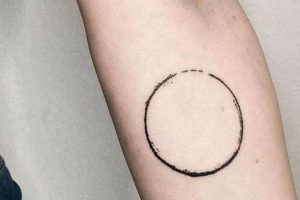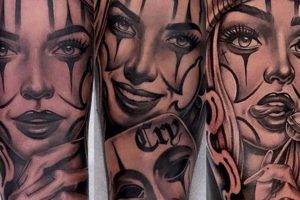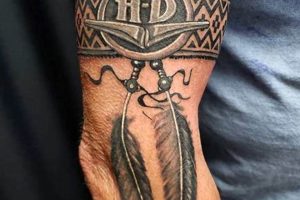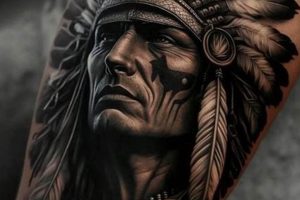



Representations of fitness journeys, motivational symbols, and athletic accomplishments visualized through body art encompass a popular theme within the tattoo community. Examples include barbells, dumbbells, kettlebells, anatomical hearts, muscular figures, motivational quotes, and depictions of specific exercises like squats or deadlifts. These designs can be rendered in various styles, from realistic portrayals to minimalist line art or abstract interpretations.
Permanent body art related to fitness can serve as a powerful source of personal motivation, a commemoration of athletic milestones, or an outward expression of one’s commitment to a healthy lifestyle. This form of self-expression can also foster a sense of community and shared identity among fitness enthusiasts. While the historical context of tattoos is extensive and diverse, the specific connection to modern fitness culture is a more recent development, reflecting the growing prominence of health and wellness in contemporary society.
Further exploration will delve into popular design choices, symbolic meanings associated with common imagery, and considerations for placement, size, and artistic style.
1. Motivational Imagery

Motivational imagery plays a significant role in gym-related tattoo designs, serving as a constant source of inspiration and a visual reminder of personal fitness goals. This imagery can manifest as short, powerful quotes, significant dates representing milestones, or abstract symbols embodying resilience and perseverance. The inherent psychological impact of these visual cues can reinforce commitment to training and provide encouragement during challenging workouts. For example, a tattoo of the phrase “No Pain, No Gain” can serve as a motivational nudge during moments of fatigue, while a depiction of the Greek god Atlas can symbolize strength and endurance.
The effectiveness of motivational imagery in fitness tattoos stems from their constant visibility and personal significance. Unlike external motivators that can fade over time, a tattoo serves as a permanent reminder of one’s dedication to a fitness journey. The chosen imagery often reflects deeply held values or personal experiences, further amplifying its impact. A tattoo commemorating a significant weight loss achievement, for instance, can serve as a powerful symbol of overcoming challenges and maintaining a healthy lifestyle. Similarly, a tattoo representing a personal best in a specific exercise can fuel further progress and inspire continued dedication.
Choosing meaningful motivational imagery requires careful consideration of individual aspirations and values. Generic phrases, while seemingly inspirational, may lack the personal resonance needed for sustained motivation. Instead, opting for imagery that reflects individual struggles, triumphs, or core beliefs can create a more profound connection and ensure the tattoo remains a potent source of inspiration throughout one’s fitness journey. This personalized approach maximizes the motivational power of the tattoo, transforming it from a mere aesthetic choice into a powerful tool for personal growth and achievement.
2. Anatomical Designs

Anatomical designs represent a significant category within fitness-inspired tattoos, offering a visually striking way to showcase dedication to physical training and an understanding of the human body. These designs move beyond superficial representations of muscles and delve into the intricate workings of the body, often highlighting the complex interplay of bones, muscles, and circulatory systems. This detailed approach adds depth and meaning to the tattoo, reflecting a deep appreciation for the mechanics of human movement and the dedication required to sculpt and strengthen the physique.
- Muscular System Representations
Detailed depictions of muscle groups, often showcasing specific muscles like biceps, triceps, or quadriceps, serve as prominent examples. These tattoos can highlight muscular definition achieved through rigorous training, emphasizing the aesthetic results of dedication and discipline. They can also serve as a source of motivation, reminding the wearer of the physical strength they have cultivated. Hyperrealistic depictions often showcase the intricate details of muscle fibers and tendons, adding an element of artistry to the anatomical representation.
- Skeletal Structures
Skeletal structures, including bones and joints, provide another layer of anatomical representation. These tattoos can symbolize the foundational strength and support system of the body, highlighting the importance of skeletal health in physical performance. Rib cages, spines, and skulls are common choices, often rendered in intricate detail. Such designs can also represent resilience and overcoming challenges, associating the enduring strength of bones with the wearer’s own ability to persevere through difficulties.
- Cardiovascular System
Incorporating elements of the cardiovascular system, such as the heart or circulatory pathways, can symbolize endurance and stamina. The heart, in particular, holds symbolic weight, representing the life force that drives physical exertion. These tattoos can signify the dedication required for cardiovascular fitness and the importance of maintaining a healthy heart for sustained physical activity. Designs can range from stylized anatomical hearts to more complex representations of blood vessels and arteries.
- Nervous System Elements
Inclusion of nervous system elements, while less common, can represent the mind-body connection crucial for achieving peak performance. These designs can symbolize the importance of mental focus and discipline in fitness training. Images of neurons or synapses can be incorporated to represent the complex communication network within the body that facilitates movement and coordination.
The choice of specific anatomical elements often reflects individual training focuses and personal values. By showcasing a detailed understanding of human anatomy, these tattoos transcend purely aesthetic designs and become powerful statements of commitment to physical well-being and a deep appreciation for the complexities of the human body. They serve as a constant reminder of the dedication and discipline required to achieve fitness goals, transforming the body itself into a canvas that tells a story of strength, resilience, and the ongoing pursuit of physical excellence.
3. Fitness Equipment

Fitness equipment, integral to strength training and conditioning, provides a rich source of imagery for gym-related tattoos. These designs symbolize dedication to physical improvement, representing specific training disciplines or broader commitment to a fitness lifestyle. Representations of equipment, from barbells and dumbbells to more specialized apparatus, can be stylized, realistic, or incorporated into larger, more complex tattoo designs.
- Barbells and Plates
Barbells, a cornerstone of weightlifting, symbolize strength, discipline, and the pursuit of progressive overload. Tattoos featuring barbells often incorporate weight plates, which can be customized with significant numbers representing personal records or milestones achieved. The barbell’s linear form lends itself to various placements and stylistic interpretations, from minimalist outlines to highly detailed, three-dimensional representations.
- Dumbbells
Dumbbells, versatile tools for muscle development, represent balance, symmetry, and targeted training. They can symbolize the individual’s focus on specific muscle groups or a commitment to overall physique development. Dumbbell tattoos can incorporate various design elements, such as motivational quotes or numerical representations of weight lifted, adding layers of personal meaning.
- Kettlebells
Kettlebells, known for their dynamic movement patterns, symbolize functional strength, power, and explosive training. Kettlebell tattoos often reflect the fluidity and momentum associated with these exercises. They can be depicted in motion, mid-swing, or incorporated into designs that represent specific kettlebell movements like swings, snatches, or Turkish get-ups.
- Specialized Equipment
Specialized equipment like resistance bands, pull-up bars, or gymnastic rings offer opportunities for highly personalized tattoo designs. These representations can signify dedication to specific training modalities or commemorate achievements in particular disciplines. A tattoo of gymnastic rings, for example, can symbolize mastery of bodyweight exercises and a commitment to functional movement.
The choice of fitness equipment depicted in a tattoo often reflects the individual’s training preferences and personal connection to specific exercises. These designs, imbued with personal meaning, serve as permanent reminders of dedication to physical improvement and the ongoing pursuit of strength, power, and overall fitness. They transform functional training tools into symbolic representations of personal growth, resilience, and the transformative power of physical discipline.
4. Abstract Representations
Abstract representations offer a unique approach to gym tattoo ideas, moving beyond literal depictions of equipment or anatomy to capture the essence of fitness through symbolic imagery. These designs prioritize visual appeal and personal interpretation, allowing for greater creative freedom and a deeper exploration of the underlying concepts associated with physical training and self-improvement.
- Geometric Patterns
Geometric patterns, with their inherent sense of order and structure, can represent the disciplined and structured approach required for consistent fitness progress. Triangles can symbolize stability and upward momentum, while spirals can evoke continuous growth and transformation. Interlocking shapes can represent the interconnectedness of mind, body, and spirit in achieving fitness goals.
- Flowing Lines and Shapes
Flowing lines and organic shapes can capture the dynamic energy and movement inherent in physical activity. These designs can evoke the feeling of exertion, the rhythm of a workout, or the fluidity of motion. Wave-like patterns can symbolize the ebb and flow of progress, while swirling lines can represent the release of energy and the exhilaration of physical exertion.
- Symbolic Imagery
Symbolic imagery draws upon broader cultural or personal associations to represent abstract concepts related to fitness. The phoenix, for example, can symbolize resilience and overcoming challenges, while the lotus flower can represent growth and purity. These symbols add layers of meaning to the tattoo, reflecting individual values and aspirations.
- Minimalist Designs
Minimalist designs, characterized by their simplicity and clean lines, can represent focus, clarity, and the essential elements of fitness. A single, bold line can represent the unwavering commitment to a fitness journey, while a small, abstract shape can symbolize a specific milestone or personal achievement. These designs prioritize impact over intricacy, conveying meaning through concise visual language.
Abstract representations in gym tattoos offer a powerful means of expressing the less tangible aspects of fitness, capturing the inner drive, dedication, and personal transformation associated with the pursuit of physical well-being. By moving beyond literal depictions, these designs allow for greater individual expression and create a deeper connection between the tattoo and the wearer’s personal fitness journey. They transform the body into a canvas for exploring not just the physicality of fitness, but also the mental and emotional aspects that contribute to overall well-being.
5. Placement Considerations

Placement considerations play a crucial role in the overall impact and effectiveness of gym-related tattoos. Strategic placement enhances the design’s visibility, complements the body’s natural contours, and contributes to the tattoo’s symbolic meaning. Careful consideration of placement ensures the design integrates harmoniously with the body, maximizing both aesthetic appeal and personal significance.
- Visibility and Showcasing
Visibility plays a key role in placement decisions, particularly for individuals who wish to readily display their fitness-related tattoos. Commonly chosen locations for high visibility include the arms, forearms, calves, and shoulders. These areas offer ample space for larger designs and are easily showcased in gym attire or everyday clothing. This prominent display can serve as a source of motivation for the individual and inspire others in their fitness journeys. Conversely, individuals seeking more discreet placement may opt for areas less frequently exposed, such as the ribs, back, or thighs.
- Muscle Emphasis and Body Flow
Placement can strategically emphasize musculature and complement the body’s natural contours. A tattoo of a flexing bicep placed directly on the bicep muscle itself creates a dynamic visual effect, accentuating the muscle’s definition and form. Similarly, designs that follow the lines of the back or the curvature of the calf muscle can enhance the body’s natural aesthetics. This integration of the tattoo with the body’s form creates a cohesive and visually appealing result.
- Symbolic Significance of Location
The chosen placement can contribute to the symbolic meaning of the tattoo. A heart tattooed near the actual location of the heart can amplify its symbolic representation of dedication and passion for fitness. Similarly, a tattoo placed on the wrist, a common area for pulse checks during exercise, can symbolize the individual’s connection to their physical exertion and the rhythmic nature of training. This intentional placement adds layers of meaning and personal significance to the design.
- Practical Considerations and Pain Tolerance
Practical considerations, such as potential impact on professional attire or future career prospects, influence placement choices. Individuals working in more conservative professional environments may opt for placements that can be easily concealed. Furthermore, pain tolerance varies across different areas of the body. Areas with thinner skin or closer proximity to bone tend to be more sensitive. Researching pain levels associated with different locations allows individuals to make informed decisions based on their comfort levels.
Ultimately, optimal placement enhances the aesthetic and symbolic value of gym-related tattoos. By considering visibility, body flow, symbolic significance, and practical factors, individuals can ensure their chosen design integrates seamlessly with their physique and effectively conveys their dedication to fitness. The placement becomes an integral part of the tattoo’s narrative, contributing to its overall impact and personal meaning.
6. Stylistic Choices

Stylistic choices significantly impact the visual representation and overall effectiveness of gym-related tattoos. The selected style influences how the design embodies the wearer’s fitness journey, personal aesthetic, and the specific message they wish to convey. Understanding the nuances of various tattoo styles allows for informed decisions that align with individual preferences and desired outcomes. This understanding ensures the tattoo remains a powerful and aesthetically pleasing representation of dedication to fitness.
Realism, a style emphasizing detailed and lifelike depictions, lends itself well to anatomical tattoos, showcasing muscle definition and intricate skeletal structures. This style can create visually stunning representations of the human form, celebrating the physique achieved through dedicated training. Conversely, minimalism, characterized by clean lines and simplified forms, effectively conveys core concepts with impactful simplicity. A minimalist barbell, for instance, can symbolize strength and discipline without requiring intricate detail. Geometric patterns offer another stylistic avenue, allowing for abstract representations of movement, energy, and the structured approach to fitness training. These patterns can create visually captivating designs that resonate with the wearer’s personal aesthetic and training philosophy. Traditional styles, with their bold lines and vibrant colors, offer a classic approach, often incorporating symbolic imagery like anchors or eagles to represent strength and resilience. These styles can imbue the tattoo with a sense of timelessness and enduring power.
Choosing an appropriate style requires careful consideration of the desired imagery and the overall aesthetic the individual wishes to achieve. A realistic portrayal of a specific muscle group may require a skilled artist specializing in realism, while a minimalist design necessitates an artist adept at clean lines and precise execution. Furthermore, the chosen style should complement the tattoo’s placement and size. A highly detailed, realistic design may not be suitable for a small tattoo on the wrist, while a minimalist design might lack impact on a larger canvas like the back. Ultimately, the interplay between stylistic choices, imagery, placement, and size determines the tattoo’s overall effectiveness as a visual representation of the wearer’s fitness journey and personal aesthetic. Careful consideration of these elements ensures the tattoo remains a source of pride and inspiration for years to come.
Tips for Effective Fitness-Inspired Tattoos
Visual representations of fitness journeys require careful planning. These tips provide guidance for creating impactful and meaningful fitness-related tattoos.
Tip 1: Research and Select a Qualified Artist: Thorough research is crucial. Seek artists specializing in the desired style, examine portfolios, and schedule consultations to discuss design ideas and ensure artistic compatibility. An experienced artist understands the nuances of skin and tattoo application, contributing to a high-quality, long-lasting result.
Tip 2: Prioritize Meaningful Imagery: Select imagery that resonates deeply with personal fitness goals and values. Avoid generic symbols in favor of designs that reflect individual experiences, milestones, or motivational mantras. This personalization ensures the tattoo remains a powerful source of inspiration.
Tip 3: Consider Placement Carefully: Placement impacts visibility, aesthetics, and symbolic meaning. Consider how the tattoo will interact with the body’s contours and how visibility aligns with personal preferences and professional considerations.
Tip 4: Choose an Appropriate Style: Tattoo styles range from realism to minimalism, each offering distinct aesthetic qualities. Select a style that complements the chosen imagery and placement, enhancing the tattoo’s overall impact and longevity.
Tip 5: Plan for Long-Term Care: Tattoos require ongoing care to maintain vibrancy and prevent fading. Consult with the artist for aftercare instructions and follow them diligently to ensure the tattoo remains a source of pride for years to come. This includes protecting the tattoo from sun exposure and using appropriate moisturizing products.
Tip 6: Reflect and Refine: Avoid impulsive decisions. Take time to reflect on chosen designs and ensure they align with long-term goals and aesthetic preferences. Consult with trusted friends or family members for feedback and refine the design until it feels truly representative of one’s fitness journey.
Tip 7: Size and Detail: Balance size with detail. Intricate designs require sufficient space for proper execution. Consider the limitations of smaller placements and how detail translates across different sizes. A large, detailed design may be more suitable for the back or thigh, while a smaller, simpler design may be better suited for the wrist or ankle.
By following these tips, individuals can create impactful fitness-related tattoos that serve as powerful symbols of personal dedication, achievement, and the transformative power of physical discipline. These guidelines ensure the chosen design remains a source of pride and inspiration throughout one’s fitness journey.
These considerations pave the way for a final summary and concluding thoughts on the significance of fitness-inspired body art.
Frequently Asked Questions about Fitness Tattoos
This section addresses common inquiries regarding permanent body art related to fitness, providing clarity and guidance for those considering such designs.
Question 1: How long do fitness-related tattoos typically take to heal?
Healing times vary based on size, placement, and individual healing rates, typically ranging from two to four weeks for the outer layers of skin. Complete healing of deeper tissue can take several months. Following aftercare instructions diligently promotes optimal healing and minimizes complications.
Question 2: What factors influence the cost of a fitness tattoo?
Several factors influence cost, including the artist’s experience and reputation, the tattoo’s size and complexity, the chosen style, and studio location. Detailed, intricate designs require more time and skill, thus increasing cost. Researching artists and obtaining quotes facilitates informed budget planning.
Question 3: Can fitness tattoos be modified or covered up later?
Modification or cover-up options exist, but depend on the original tattoo’s size, color, and placement. Cover-ups often require larger, darker designs to effectively conceal the previous tattoo. Laser removal can lighten or partially remove the tattoo, making cover-ups easier. Consulting with an experienced tattoo artist is essential to explore available options.
Question 4: Are there specific design elements best suited for certain body parts?
Design elements and body part considerations often align with aesthetics and practicality. Elongated designs complement the length of limbs, while compact designs fit well on smaller areas like the wrist or ankle. Muscular contours can influence placement choices, emphasizing definition through strategic design placement. Consulting with an artist ensures design and placement harmonize effectively.
Question 5: How can one ensure the chosen design remains timeless and avoids trends?
Timeless designs prioritize classic imagery and avoid overly trendy elements. Focusing on personal meaning, symbolic representation, and established artistic styles ensures the tattoo remains relevant and aesthetically pleasing over time. Consulting with experienced artists can provide valuable insights into design longevity.
Question 6: What health precautions should be taken before and after getting a fitness tattoo?
Consulting with a physician prior to getting a tattoo is advisable, particularly for individuals with pre-existing health conditions. Following aftercare instructions diligently is crucial for preventing infection and promoting proper healing. This includes keeping the tattoo clean, avoiding sun exposure, and using recommended ointments.
Careful consideration of these frequently asked questions ensures informed decisions and contributes to a positive and successful tattoo experience.
Further exploration of fitness-related body art delves into the psychological impact and societal perceptions of these designs.
Gym Tattoo Ideas
Exploration of fitness-related body art reveals a complex interplay of personal expression, motivation, and aesthetic representation. Motivational imagery, anatomical designs, fitness equipment depictions, abstract symbolism, placement considerations, and stylistic choices all contribute to the creation of meaningful and impactful tattoos. These designs serve as permanent reminders of dedication to physical well-being, commemorating milestones, embodying aspirations, and fostering a sense of community among fitness enthusiasts. Careful consideration of design elements, artistic styles, and placement ensures the chosen tattoo effectively reflects individual fitness journeys and remains a source of inspiration for years to come.
Permanent body art related to fitness transcends mere aesthetics, serving as a powerful testament to the transformative power of physical discipline and the pursuit of a healthier lifestyle. These designs embody the dedication, resilience, and personal growth associated with fitness journeys, fostering a deeper connection between individuals and their pursuit of physical excellence. As fitness culture continues to evolve, the artistic expression of these values through body art will likely continue to diversify and gain prominence, reflecting the ongoing human desire to express personal narratives and aspirations through the canvas of the body.