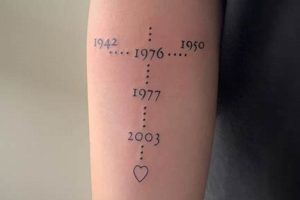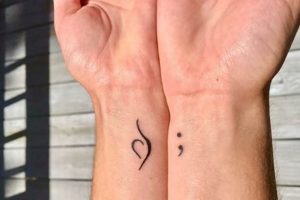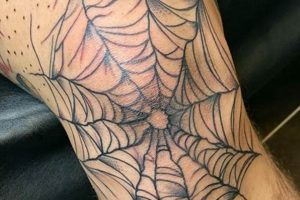



Conceptualizations for body art encompass a vast range of styles, imagery, and symbolism. Examples include minimalist line drawings, intricate portraits, traditional Japanese motifs, and abstract watercolor effects. The creative process involves considering placement on the body, color palettes, and the overall aesthetic the individual wishes to project.
Developing compelling artwork for permanent body modification is crucial for achieving a satisfying and meaningful result. A well-chosen concept reflects personal narratives, values, and artistic preferences. Historically, tattoos have served various purposes across cultures, from signifying social status and spiritual beliefs to acting as forms of adornment and self-expression. This rich history provides a wealth of inspiration for contemporary artistry.
Further exploration of this topic will delve into specific stylistic categories, the process of collaborating with artists, and important considerations before committing to permanent ink.
1. Concept Development

Concept development serves as the foundational stage for creating meaningful and impactful body art. It provides the framework for transforming abstract ideas and personal narratives into tangible visual representations. A well-defined concept ensures the final tattoo resonates with the individual’s intentions and aesthetic preferences.
- Brainstorming and Inspiration
Initial brainstorming involves exploring diverse sources of inspiration, such as personal experiences, cultural symbolism, artistic movements, and natural imagery. This process helps individuals identify core themes and visual elements that align with their desired message. For example, someone seeking a tattoo representing resilience might explore imagery of flourishing plants or mythological figures overcoming adversity. This stage sets the conceptual direction for the entire design process.
- Theme Selection and Refinement
Once initial ideas are gathered, a central theme is selected and refined. This involves narrowing down the scope of the concept and focusing on specific aspects that hold personal significance. For instance, the theme of resilience could be further refined to focus on overcoming a particular challenge, represented by a specific flower known for its hardiness. This refinement ensures the tattoo carries a clear and focused message.
- Visual Translation and Symbolism
The chosen theme is then translated into visual elements and symbolic representations. This stage involves researching and selecting specific imagery, motifs, and stylistic elements that effectively convey the intended meaning. The resilient flower concept could be visually represented through a detailed botanical illustration or a stylized geometric pattern incorporating the flower’s shape. Careful consideration of symbolism ensures the visual elements resonate with the individual’s personal narrative.
- Narrative Development and Storytelling
For more complex tattoo concepts, narrative development plays a crucial role. This involves crafting a visual story that unfolds across the body, incorporating multiple elements and symbolic representations to convey a richer and more layered message. This might involve depicting a sequence of events, incorporating characters, or using allegorical imagery. A narrative approach transforms the tattoo into a powerful form of personal storytelling.
These interconnected facets of concept development ensure the resulting tattoo design is not merely an aesthetic adornment but a meaningful expression of personal identity, values, and experiences. A thoughtfully developed concept provides the artist with a solid foundation for creating a unique and impactful piece of body art that resonates with the individual for years to come.
2. Stylistic Choices

Stylistic choices are integral to realizing compelling and personalized body art. They serve as the visual language through which concepts are translated into tangible designs. The selected style dictates the overall aesthetic, influencing the use of line, color, shading, and composition. A clear understanding of various styles empowers individuals to make informed decisions that align with their personal preferences and the intended message of the tattoo.
The interplay between concept and style is crucial. A concept focusing on delicate floral elements might benefit from the intricate detail and flowing lines characteristic of realism or botanical illustration. Conversely, a concept centered on geometric patterns or abstract shapes might find a stronger expression through minimalist or geometric styles. For example, a portrait aiming for photorealism necessitates an artist specializing in that style, while a tribal-inspired design requires expertise in traditional techniques and symbolism. Choosing a style that complements the concept ensures a cohesive and impactful final result.
Practical application of stylistic understanding involves researching different artists specializing in specific styles. Examining portfolios and understanding the nuances of each style allows for informed decisions aligned with individual preferences. Recognizing the limitations and strengths of different styles is equally important. Fine linework may not age well on certain body parts, while heavily saturated colors might require more frequent touch-ups. Considering these practical aspects ensures the longevity and aesthetic integrity of the tattoo. Ultimately, a well-informed stylistic choice enhances the visual impact and personal meaning of the body art, transforming a simple concept into a powerful and enduring statement.
3. Placement Considerations

Placement considerations are essential to maximizing the impact and aesthetic harmony of body art. The chosen location on the body significantly influences the visual presentation, practicality, and personal significance of a tattoo. Strategic placement enhances the design’s composition, complements the body’s natural contours, and considers factors like visibility and discretion.
- Visibility and Discretion
The desired level of visibility plays a key role in placement decisions. Tattoos intended for public display are often placed on areas like the forearms, hands, or neck. Conversely, tattoos intended for more private viewing might be placed on the back, ribs, or thighs. This consideration allows individuals to control the degree to which their body art is shared with others. A professional in a corporate setting might choose a discreet placement for a large, intricate design, while an artist might opt for a highly visible placement for a smaller, symbolic piece.
- Body Contours and Composition
The human body’s natural curves and contours influence how a tattoo design appears. Skilled artists consider these contours during the design process, ensuring the artwork flows harmoniously with the body’s shape. A design intended for the bicep, for instance, might incorporate curved lines and shapes that complement the muscle’s form. Similarly, a design for the ribcage might follow the natural curvature of the ribs. Careful consideration of body contours ensures the tattoo integrates seamlessly with the individual’s physique.
- Size and Scale of the Design
The size and scale of the tattoo design also inform placement choices. Large, intricate designs require ample space and are often placed on larger areas like the back, chest, or thighs. Smaller, simpler designs can be placed on smaller areas like the wrist, ankle, or behind the ear. Balancing the scale of the design with the available space ensures the artwork is displayed effectively and avoids a cramped or distorted appearance. A sprawling landscape scene would be well-suited to the back, while a small, symbolic icon might be placed discreetly on the inner wrist.
- Practicality and Longevity
Practical considerations, such as exposure to sunlight, friction from clothing, and the potential for the skin to stretch or wrinkle over time, also influence placement decisions. Areas exposed to frequent sun exposure may experience faster ink fading, while areas subject to friction might require more frequent touch-ups. Considering these factors ensures the tattoo’s longevity and maintains its aesthetic quality over time. A tattoo on the hand, for example, will experience more wear and tear than a tattoo on the back.
These placement considerations, when integrated thoughtfully into the design process, enhance the overall impact and personal significance of the tattoo. By considering visibility, body contours, size, and practicality, individuals can ensure their body art is displayed in a way that complements their physique, aligns with their personal preferences, and stands the test of time. Ultimately, strategic placement elevates the tattoo from a simple image on the skin to a thoughtfully considered and aesthetically integrated piece of personal expression.
4. Color Palettes
Color palettes are integral to the overall aesthetic and emotional impact of tattoo designs. A thoughtfully chosen color scheme enhances the visual narrative, evokes specific moods, and contributes to the longevity of the tattoo. Understanding color theory principles, exploring various color combinations, and considering the interplay of colors with skin tone are essential aspects of effective color palette selection.
- Color Theory and Application
Applying color theory principles, such as complementary, analogous, and triadic color schemes, informs harmonious and impactful color choices. Complementary colors create contrast and vibrancy, while analogous colors offer a more harmonious and blended aesthetic. Triadic schemes provide a balanced yet dynamic interplay of colors. Understanding these principles allows for strategic color selection to achieve specific visual effects. A tattoo featuring a warm color palette of oranges and yellows might evoke feelings of energy and joy, while a cool palette of blues and greens might convey tranquility and serenity.
- Skin Tone Considerations
Skin tone plays a significant role in how tattoo ink appears. Certain colors may appear more vibrant or muted depending on the individual’s complexion. Darker skin tones often provide a richer backdrop for vibrant colors, while lighter skin tones might require more saturated inks for optimal visibility. Experienced tattoo artists consider skin tone when recommending color palettes, ensuring the final result complements the individual’s natural complexion. A color that appears vibrant on lighter skin might appear less saturated on darker skin, requiring adjustments to the color palette.
- Cultural and Symbolic Meanings of Color
Colors often carry cultural and symbolic meanings that can add depth and significance to a tattoo design. Red, for instance, can symbolize passion, love, or danger, while blue can represent peace, tranquility, or sadness. Incorporating these symbolic associations into the color palette adds another layer of meaning to the artwork. A tattoo featuring a black and grey color palette might evoke a sense of seriousness or mourning in some cultures, while a vibrant, multicolored palette might represent celebration and joy in others.
- Color Saturation and Longevity
The saturation and vibrancy of tattoo ink can impact its longevity. Highly saturated colors tend to fade more quickly than less saturated colors, especially with exposure to sunlight. Choosing appropriate color saturation levels based on placement and desired longevity ensures the tattoo maintains its aesthetic appeal over time. A tattoo with pastel colors might retain its vibrancy longer than a tattoo with neon colors placed in an area frequently exposed to sunlight. Artist expertise in color application techniques also impacts longevity and vibrancy.
These facets of color palette selection are essential to creating visually compelling and meaningful tattoos. A well-chosen color scheme amplifies the design’s impact, evokes desired emotions, complements the individual’s skin tone, and contributes to the tattoo’s longevity. Integrating these considerations ensures the color palette enhances the overall artistic expression and personal significance of the body art.
5. Artist Collaboration
Realizing impactful and personalized body art hinges significantly on effective artist collaboration. This collaborative process transforms initial concepts into well-executed designs that align with individual preferences and artistic expertise. Open communication, mutual understanding, and shared creative vision are crucial for achieving a satisfying and meaningful outcome. This collaborative journey ensures the final tattoo embodies both the individual’s vision and the artist’s technical skill.
- Initial Consultation and Concept Refinement
The initial consultation serves as the foundation for a successful collaboration. During this stage, individuals share their vision, inspirations, and desired stylistic elements with the artist. The artist, in turn, provides professional insights, suggests modifications, and ensures the concept is technically feasible. This exchange of ideas refines the initial concept into a more concrete and achievable design. For example, an individual might present a rough sketch and discuss desired symbolism; the artist then translates this into a more polished design, considering factors like placement and color palette.
- Design Development and Feedback Integration
Following the initial consultation, the artist develops the design further, incorporating the discussed elements and stylistic preferences. This iterative process often involves multiple rounds of feedback and revisions. The individual provides input on the evolving design, ensuring it aligns with their vision. The artist incorporates this feedback, making adjustments to composition, linework, color, and other details. This back-and-forth ensures the final design reflects a shared creative vision. An individual might request adjustments to the size or placement of specific elements, prompting the artist to refine the design accordingly.
- Technical Expertise and Artistic Interpretation
The artist’s technical expertise is crucial in translating the refined concept into a technically sound and aesthetically pleasing tattoo. Artists possess in-depth knowledge of skin anatomy, ink application techniques, and stylistic nuances. They consider factors such as line weight, shading, color saturation, and placement to ensure the tattoo heals well and maintains its visual appeal over time. This expertise elevates the design beyond a simple image, transforming it into a lasting piece of art. An experienced artist understands how different needle configurations and ink types interact with various skin tones and body locations, ensuring optimal results.
- Open Communication and Mutual Respect
Open communication and mutual respect form the cornerstone of successful artist collaboration. Clear and honest communication ensures both parties are on the same page throughout the design process. Respect for the individual’s vision and the artist’s expertise fosters a collaborative environment conducive to creative exploration and problem-solving. This mutual understanding minimizes misunderstandings and ensures the final tattoo meets the expectations of both the individual and the artist. Regular communication, whether in person, via email, or through shared online platforms, keeps the process transparent and collaborative.
These interconnected facets of artist collaboration are essential to realizing successful tattoo designs. By fostering open communication, integrating feedback, leveraging artistic expertise, and building a foundation of mutual respect, individuals and artists can co-create personalized and meaningful body art that stands the test of time. This collaborative approach elevates the tattooing process from a simple transaction to a shared artistic journey, resulting in a piece of art that resonates deeply with the individual’s identity and aesthetic preferences.
Tips for Choosing Tattoo Designs
Careful consideration of several factors contributes to selecting a tattoo design that resonates with personal style and stands the test of time. These tips provide guidance for navigating the process thoughtfully and making informed decisions.
Tip 1: Research Extensively
Thorough research is paramount. Exploring various styles, artists, and symbolism ensures informed choices aligned with individual preferences and desired aesthetics. Examining portfolios, understanding stylistic nuances, and researching cultural symbolism ensures a well-informed decision.
Tip 2: Prioritize Concept Development
A well-defined concept is crucial. Reflecting on personal narratives, values, and desired imagery ensures the tattoo holds personal significance. Brainstorming, sketching, and refining ideas contribute to a meaningful design.
Tip 3: Consider Placement Carefully
Placement impacts visibility, composition, and longevity. Considering body contours, lifestyle factors, and desired discretion levels ensures harmonious integration and practical suitability.
Tip 4: Choose Colors Thoughtfully
Color palettes significantly impact the overall aesthetic. Understanding color theory, skin tone influence, and symbolic meanings contributes to a visually compelling and personally resonant result. Researching color longevity and artist expertise in color application techniques also informs effective color choices.
Tip 5: Collaborate with a Reputable Artist
Artist collaboration is essential. Seeking a reputable artist with expertise in the desired style ensures professional execution and personalized interpretation of the chosen design. Open communication, feedback integration, and mutual respect are crucial for a successful collaboration.
Tip 6: Plan for Aftercare
Proper aftercare is essential for preserving the tattoo’s integrity and vibrancy. Following artist instructions diligently, using recommended products, and protecting the tattoo from sun exposure ensures optimal healing and long-term aesthetic appeal.
Tip 7: Reflect Before Committing
Tattoos are permanent. Thorough reflection and consideration of all aspects, from design and placement to artist choice and aftercare, are crucial before making a final decision. Avoiding impulsive choices ensures long-term satisfaction with the chosen design.
Adhering to these guidelines promotes a thoughtful and informed approach to tattoo selection, resulting in body art that resonates with personal meaning and aesthetic preferences for years to come.
These considerations pave the way for a fulfilling tattoo experience, culminating in a piece of body art that embodies personal expression and artistic excellence.
Frequently Asked Questions about Tattoo Designs
This section addresses common inquiries regarding the process of selecting and realizing permanent body art. Clear and concise information is provided to facilitate informed decision-making and address potential concerns.
Question 1: How does one determine the right tattoo style?
Extensive research, considering personal aesthetics, and exploring various artists’ portfolios are crucial steps. Aligning stylistic choices with the desired imagery and concept ensures a cohesive and impactful result. Consulting with experienced artists provides valuable insights and guidance.
Question 2: What factors influence tattoo placement choices?
Visibility preferences, body contours, design size, and practicality considerations influence optimal placement. Areas frequently exposed to sunlight or friction might require specific design adaptations or color choices. Consulting with an artist helps determine suitable placement based on design specifics and individual anatomy.
Question 3: How does skin tone affect color vibrancy and longevity?
Skin tone significantly influences ink vibrancy and longevity. Darker skin tones often provide a richer backdrop for vibrant colors, while lighter skin tones might require more saturated inks. Experienced artists possess the expertise to adjust color palettes based on individual skin tones, ensuring optimal visibility and longevity.
Question 4: What is the significance of artist collaboration in the design process?
Artist collaboration is paramount for translating concepts into well-executed designs. Open communication, feedback integration, and mutual respect between the individual and the artist ensure the final artwork aligns with personal preferences and artistic expertise. A collaborative approach fosters a shared creative vision and a satisfying outcome.
Question 5: What are essential aftercare practices for preserving tattoo quality?
Diligent aftercare is crucial for maintaining tattoo vibrancy and preventing complications. Following artist instructions meticulously, using recommended products, and protecting the tattoo from excessive sun exposure promotes optimal healing and long-term aesthetic preservation.
Question 6: How can one avoid tattoo regret?
Thorough research, careful planning, and avoiding impulsive decisions mitigate the risk of tattoo regret. Reflecting on design choices, considering placement implications, and selecting a reputable artist contribute to long-term satisfaction with the chosen artwork. Consulting with trusted individuals and seeking multiple artistic opinions can also provide valuable perspectives.
Careful consideration of these frequently asked questions empowers individuals to embark on the tattooing journey with confidence and make informed decisions that align with their long-term aesthetic goals and personal values. Addressing these common concerns facilitates a more positive and fulfilling tattoo experience.
Further exploration of specific tattoo styles, artist selection processes, and in-depth aftercare guidelines will be provided in subsequent sections.
Conclusion
Conceptualizations for permanent body art represent a profound intersection of personal expression, artistic skill, and cultural significance. Exploration of this multifaceted topic has revealed the crucial interplay of concept development, stylistic choices, placement considerations, color palettes, and artist collaboration in realizing impactful and meaningful tattoos. Each element contributes significantly to the final aesthetic and narrative embodied in the chosen design. From the initial spark of inspiration to the final healed artwork, careful consideration of these factors ensures a result that resonates with individual identity and stands the test of time.
Permanent body modifications offer a powerful medium for conveying personal narratives, values, and aspirations. The permanence of these artistic expressions underscores the importance of thoughtful planning and informed decision-making. As societal perceptions of body art continue to evolve, embracing informed choices and responsible artistic practices will further elevate the art form and empower individuals to express their unique stories through the compelling canvas of the human body.