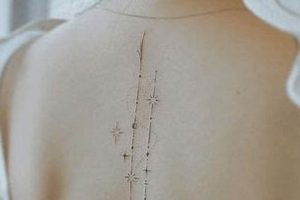



Concepts for body art frequently draw inspiration from Italian culture, encompassing its rich history, language, and artistic traditions. Examples include imagery related to classical Roman themes, Renaissance art, Italian cuisine, regional landmarks, or phrases in the Italian language.
Choosing culturally-inspired designs can add depth and personal significance to a tattoo. By referencing Italian heritage, individuals can express their connection to their ancestry, celebrate a love for the country’s culture, or commemorate a meaningful experience. The enduring appeal of Italian art, history, and language provides a vast reservoir of inspiration for creating visually compelling and deeply symbolic tattoos.
This exploration will further examine various categories of Italian-influenced tattoo designs, delving into specific motifs and their symbolism, and offering guidance on selecting a reputable artist specializing in this style.
1. Italian Phrases

Italian phrases serve as a powerful component within the broader theme of Italian-inspired tattoos. The inherent lyrical quality of the Italian language lends itself well to body art, offering a visually appealing and emotionally resonant aesthetic. Selecting a phrase that holds personal meaning imbues the tattoo with significance beyond mere aesthetics. For example, “La vita bella” (Life is beautiful) conveys a positive outlook, while “Sempre nel mio cuore” (Always in my heart) might commemorate a loved one. The effectiveness of using Italian phrases lies in the combination of visual beauty and deeply personal symbolism.
Several factors contribute to the enduring popularity of Italian phrases as tattoo choices. The rich literary history of Italy, from Dante to contemporary authors, offers a wealth of potential inscriptions. Additionally, the association of Italian with romance and passion further enhances the appeal of these phrases. Practical considerations include selecting a font that complements the phrase’s meaning and the individual’s overall aesthetic. Careful placement on the body further maximizes the visual impact and readability of the chosen inscription. Phrases can range from single words, like “speranza” (hope), to longer quotations that hold deeper philosophical meaning.
Ultimately, the successful integration of Italian phrases into tattoo designs depends on a thoughtful approach to selection and execution. Choosing a phrase that resonates deeply with the individual’s values and experiences ensures a lasting connection to the tattoo. Consulting with a skilled tattoo artist experienced in lettering and Italian calligraphy is essential for achieving a visually appealing and accurate representation of the chosen phrase. This careful consideration ensures that the tattoo remains a meaningful and aesthetically pleasing expression of personal identity.
2. Regional Landmarks

Regional landmarks represent a significant dimension within Italian-inspired tattoo designs. Depicting specific locations allows individuals to express a personal connection to a particular region or commemorate a memorable experience. The Leaning Tower of Pisa, for instance, can symbolize overcoming challenges or embracing unique qualities. The Roman Colosseum might represent strength, history, or an appreciation for classical architecture. Similarly, a depiction of the canals of Venice could evoke romance, beauty, or a specific travel memory. The choice of landmark often reflects an individual’s personal narrative and their relationship with Italy.
The effectiveness of using regional landmarks in tattoo art stems from their immediate recognizability and the wealth of cultural associations they carry. A tattoo of Mount Vesuvius, for example, can evoke both the beauty of the Italian landscape and the power of natural forces. The Cinque Terre villages, rendered in vibrant colors, can capture the charm of the Italian Riviera. These visual representations offer a potent shorthand for communicating a deep appreciation for a specific place and its associated culture. The choice of artistic style, from realistic portrayals to stylized interpretations, further enhances the personal expression and symbolic meaning of the tattoo.
Selecting a regional landmark as a tattoo design requires careful consideration of its personal significance and visual representation. Researching the history and symbolism associated with a specific location can enrich the meaning of the tattoo. Consulting with a skilled tattoo artist is crucial for ensuring accurate depiction and artistic execution, particularly for complex architectural structures or landscapes. Ultimately, incorporating regional landmarks into tattoo designs offers a powerful way to express one’s affinity for a specific part of Italy and weave personal narratives into the broader tapestry of Italian culture.
3. Artistic Masterpieces

Reproductions of renowned Italian artistic masterpieces offer a compelling avenue for expressing appreciation for the country’s rich cultural heritage within the context of tattoo art. These designs, ranging from classical sculptures to Renaissance paintings, allow individuals to carry a piece of art history with them, showcasing admiration for specific artists, periods, or artistic movements. Choosing a masterpiece for a tattoo often reflects a deep personal connection to the artwork’s themes, symbolism, or aesthetic qualities.
- Classical Sculptures:
Sculptures like Michelangelo’s David or the Venus de Milo provide powerful subjects for tattoos. David, for instance, can symbolize strength, courage, and the pursuit of ideals. The Venus de Milo represents classical beauty and feminine grace. These iconic figures, rendered in grayscale or with subtle color accents, translate effectively into body art, offering timeless representations of human form and artistic skill.
- Renaissance Paintings:
Masterpieces from the Italian Renaissance, such as Botticelli’s Birth of Venus or Da Vinci’s Mona Lisa, offer intricate details and symbolic richness suitable for tattoo adaptation. The Birth of Venus can represent beauty, love, and rebirth, while the enigmatic smile of the Mona Lisa offers endless interpretations. These paintings, carefully adapted for the contours of the body, create visually stunning and intellectually stimulating tattoos.
- Frescoes and Murals:
Sections of iconic frescoes, like Michelangelo’s Sistine Chapel ceiling, can be incorporated into larger tattoo designs. These detailed depictions of biblical scenes or mythological figures demonstrate artistic skill and offer a wealth of symbolic meaning. The selection of specific figures or scenes allows for personalized interpretations and connections to religious or philosophical themes.
- Architectural Elements:
Details from architectural marvels, such as the intricate facades of Florentine cathedrals or the decorative elements of Roman architecture, can be adapted into visually striking tattoos. These designs can represent appreciation for architectural history, structural beauty, or a connection to a specific city or region. The use of linework and shading effectively captures the essence of these architectural forms.
Incorporating artistic masterpieces into tattoo designs requires careful consideration of the artwork’s composition, color palette, and symbolic meaning. Collaboration with a skilled tattoo artist experienced in reproducing artistic styles is essential for achieving a faithful and aesthetically pleasing result. The choice of placement on the body further influences the tattoo’s visual impact and its relationship to the individual’s form. Ultimately, these tattoos offer a powerful means of expressing a deep appreciation for Italian art and cultural heritage.
4. Classical Symbolism

Classical symbolism, derived from ancient Roman and Greek cultures, provides a rich source of imagery for Italian-inspired tattoos. These symbols, steeped in mythology, history, and philosophy, offer layers of meaning that resonate with individuals seeking designs that transcend mere aesthetics. The incorporation of classical elements allows for the expression of complex ideas, values, and personal narratives within the context of Italian cultural heritage. The SPQR acronym, for example, representing the Roman Republic, can symbolize strength, authority, and a connection to ancient Roman history. Similarly, depictions of Roman gods and goddesses, such as Jupiter or Minerva, can represent specific virtues or personality traits. The use of laurel wreaths can signify victory, achievement, or intellectual pursuit. These symbols, often rendered in black ink or with subtle color accents, lend a timeless quality to tattoo designs.
The enduring appeal of classical symbolism in tattoo art stems from its universal recognizability and the depth of meaning embedded within each symbol. A depiction of the Caduceus, for instance, can symbolize healing, medicine, or commerce. Images of gladiators can represent courage, strength, and resilience. The use of Roman numerals allows for personalized dates or significant numbers to be incorporated into the design. Understanding the historical context and symbolic meaning of these elements is crucial for selecting designs that align with the individual’s intended message. Consulting resources on classical mythology, history, and symbolism can further enhance the design process and ensure accurate representation.
Integrating classical symbolism into Italian-inspired tattoos requires careful consideration of the chosen symbols’ aesthetic and semantic qualities. Collaborating with a skilled tattoo artist knowledgeable about classical iconography can ensure accurate depiction and artistic integration into the overall design. Thoughtful placement on the body further enhances the visual impact and symbolic resonance of the chosen elements. Ultimately, the effective use of classical symbolism allows individuals to connect with a rich historical and cultural legacy while expressing personal values and narratives through the medium of tattoo art.
5. Family Crests

Family crests represent a deeply personal and historically significant element within Italian-inspired tattoo designs. These heraldic emblems, often passed down through generations, symbolize lineage, heritage, and familial connection. Incorporating a family crest into a tattoo allows individuals of Italian descent to express pride in their ancestry and carry a tangible piece of their family history with them.
- Historical Significance:
Family crests originated in medieval Europe, serving as identifying markers on battlefields and in official documents. In Italy, the use of crests became particularly prevalent among noble families, signifying social standing and ancestral history. Incorporating this historical context into a tattoo design adds depth and meaning, connecting the wearer to a rich tradition of heraldry and familial identity.
- Genealogical Connection:
Researching one’s family crest often involves delving into genealogical records, uncovering ancestral lineages and migration patterns. This process of discovery can deepen the personal significance of the tattoo, transforming it into a visual representation of a familial narrative. The crest becomes a symbol of connection to past generations and a celebration of one’s Italian heritage.
- Symbolic Elements:
Family crests often incorporate symbolic imagery, such as animals, objects, or colors, that represent specific virtues, achievements, or characteristics associated with the family. Understanding the symbolism embedded within the crest enriches its meaning and allows for a more personalized interpretation of the design. A lion, for instance, might symbolize courage, while an eagle could represent strength or nobility.
- Artistic Representation:
The design of family crests offers a variety of artistic possibilities for tattoo adaptation. Crests can be rendered in intricate detail, showcasing the precise lines and colors of the original emblem. Alternatively, they can be stylized or incorporated into larger tattoo compositions, blending traditional heraldry with contemporary artistic styles. The choice of artistic representation depends on individual preferences and the desired aesthetic effect.
Ultimately, incorporating family crests into Italian-inspired tattoos provides a powerful way to honor one’s ancestry and express a deep connection to Italian heritage. These designs transcend mere aesthetics, becoming tangible symbols of family history, cultural identity, and personal narrative. The combination of historical significance, genealogical connection, and symbolic richness makes family crests a compelling choice for individuals seeking meaningful and visually striking tattoos.
Tips for Choosing Italian-Inspired Tattoos
Selecting appropriate artwork requires careful consideration to ensure a design that resonates both personally and culturally. The following tips offer guidance for navigating the process effectively.
Tip 1: Research Thoroughly: Explore various Italian cultural themes, from historical periods to regional traditions. Understanding the symbolism and context behind potential designs ensures a meaningful and informed choice.
Tip 2: Prioritize Personal Significance: Select a design that holds deep personal meaning, reflecting individual values, experiences, or connections to Italian culture. This ensures the tattoo remains relevant and cherished over time.
Tip 3: Choose a Reputable Artist: Seek out artists specializing in the desired style, whether it’s fine line, traditional, or realism. Examine portfolios to ensure their skill level aligns with the complexity of the chosen design.
Tip 4: Consider Placement Carefully: The location of the tattoo on the body influences its visibility and overall aesthetic impact. Consider factors such as size, shape, and the natural contours of the body when selecting placement.
Tip 5: Plan for Long-Term Care: Tattoos require ongoing care to maintain their vibrancy and prevent fading. Consult with the artist about aftercare procedures and follow their instructions diligently.
Tip 6: Reflect Before Committing: Avoid impulsive decisions. Take time to reflect on the chosen design and its placement, ensuring it aligns with long-term aesthetic preferences and personal values.
By following these guidelines, individuals can ensure their Italian-inspired tattoos serve as meaningful expressions of personal and cultural identity, created with artistic integrity and lasting quality.
This exploration of Italian-inspired tattoo designs has provided insights into various themes, symbolic meanings, and practical considerations. Ultimately, the choice of design remains a deeply personal one, reflecting individual narratives and connections to Italian culture.
Frequently Asked Questions
This section addresses common inquiries regarding the selection, design, and execution of tattoos inspired by Italian culture.
Question 1: How does one determine the authenticity of an Italian phrase for a tattoo?
Consulting reputable Italian dictionaries, language learning resources, or native speakers can verify accuracy and avoid potential misinterpretations.
Question 2: What factors should be considered when choosing the placement of an Italian-inspired tattoo?
Placement depends on the design’s size, complexity, and personal preference. Visibility, body contours, and potential impact on professional contexts should be considered.
Question 3: Are there specific color palettes associated with Italian-themed tattoos?
While not mandatory, utilizing colors associated with the Italian flag (green, white, and red) or those found in classical art and regional landscapes can enhance the thematic connection.
Question 4: How can one ensure the chosen tattoo artist possesses expertise in Italian-inspired designs?
Reviewing artist portfolios for examples of similar work, including Italian script, cultural imagery, or regional landmarks, helps assess their suitability.
Question 5: What are the typical costs associated with Italian-inspired tattoos?
Costs vary based on design complexity, size, artist experience, and geographic location. Consulting multiple artists for quotes is recommended.
Question 6: How can one distinguish between respectful homage and cultural appropriation in Italian-inspired tattoos?
Thorough research and understanding of the chosen imagery’s cultural context are crucial. Avoiding stereotypical or disrespectful representations demonstrates cultural sensitivity.
Careful consideration of these factors ensures a meaningful and aesthetically pleasing tattoo that resonates with personal expression and honors Italian culture respectfully.
For further inquiries or personalized guidance, consulting with experienced tattoo artists specializing in Italian-inspired designs is recommended.
Conclusion
Exploration of Italian-influenced tattoo concepts reveals a rich tapestry of potential designs, each carrying symbolic weight and cultural significance. From historical landmarks and artistic masterpieces to familial crests and regional phrases, these diverse elements offer avenues for personal expression deeply rooted in Italian heritage. Careful consideration of design choices, artistic execution, and cultural sensitivity ensures a meaningful and aesthetically enduring tribute.
The enduring power of these designs lies in their ability to bridge personal narratives with a broader cultural legacy. By embracing informed choices and prioritizing respectful representation, individuals can create lasting works of art that celebrate Italian culture and express profound connections to its enduring influence.