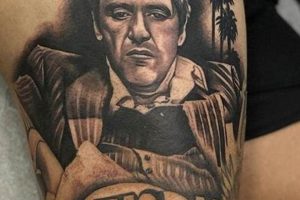



Designs for body art inspired by the decorative skulls used in the Mexican celebration of Da de Muertos (Day of the Dead) offer a rich visual vocabulary. These designs typically feature vibrant colors, intricate floral patterns, and symbolic elements like cobwebs, hearts, and teardrops. For example, a common motif involves marigolds, representing the fleeting nature of life, combined with geometric patterns reminiscent of traditional Mexican textiles.
Representing remembrance and celebration rather than morbidity, this artistic tradition honors deceased loved ones. The imagery draws from a blend of pre-Columbian beliefs and Catholic traditions, reflecting the syncretic nature of Mexican culture. Choosing such a design can be a powerful way to express personal connections to heritage, spirituality, or artistic appreciation. Moreover, the vibrant and highly customizable nature of these designs allows for unique expressions of individuality.
The following sections will delve into various design elements, placement considerations, and the artistic process involved in creating meaningful and visually striking body art inspired by this tradition. Topics will include color palettes, symbolic motifs, stylistic variations, and the importance of finding a skilled artist to execute the chosen design.
1. Placement

Placement significantly influences the visual impact and symbolic meaning of designs inspired by calaveras. Careful consideration of body contours and the design’s composition ensures the artwork harmonizes with the individual’s form and effectively conveys its intended message. The chosen location can also amplify the personal significance of the tattoo.
- Size and Scale
Larger, more detailed designs often suit areas like the back, chest, or thighs, allowing for intricate elements and complex compositions. Smaller, simpler designs may be better suited for areas like the wrist, forearm, or ankle, offering a subtler yet equally powerful statement. Scale should be proportionate to the body part and the desired level of detail.
- Body Contours
The natural curves and shapes of the body can be used to enhance the design. For example, a skull positioned on the shoulder blade can follow the curvature of the bone, creating a dynamic and three-dimensional effect. Likewise, a design flowing along the spine can emphasize the body’s natural lines. Understanding these contours ensures the design complements the individual’s physique.
- Visibility and Personal Significance
Placement reflects the individual’s intentions regarding the visibility of the tattoo. A highly visible placement, such as the hand or neck, may indicate a desire for open expression and celebration of the imagery. A more discreet placement, like the ribcage or back, might suggest a more personal and intimate connection to the symbolism. This choice often aligns with personal preferences and cultural contexts.
- Symmetry and Composition
Symmetrical designs often work well on areas like the chest, back, or sternum, where the body’s natural symmetry can be mirrored in the artwork. Asymmetrical designs can find a harmonious placement on limbs or areas with more dynamic contours. Careful planning ensures the design’s composition complements the chosen location and achieves visual balance.
Ultimately, placement is integral to the overall aesthetic and symbolic impact of these designs. By considering these factors, individuals can ensure their body art serves as a powerful and meaningful expression of personal and cultural significance.
2. Color palettes

Color palettes play a crucial role in the aesthetic and symbolic richness of designs inspired by calaveras. These palettes often move beyond simple decoration, acting as narrative elements that enhance the design’s overall meaning and impact. Color choices can evoke specific emotions, represent symbolic concepts, and tie the design to broader cultural traditions.
Traditional palettes frequently incorporate vibrant and contrasting hues. Bright pinks, oranges, yellows, and purples are commonly used to represent joy, celebration, and the vibrancy of life. These colors often draw inspiration from the festive decorations associated with Da de Muertos, reflecting the celebratory nature of remembering loved ones. Deep reds can symbolize blood and sacrifice, while blues and greens may represent water and the cycle of life and death. The use of black often provides a stark contrast, outlining shapes and adding depth to the design, while also symbolizing mourning and the passage of time.
Contemporary interpretations sometimes explore less traditional color schemes. Muted tones, pastel shades, or even monochromatic palettes can create a different mood, perhaps emphasizing introspection or a more personal connection to remembrance. These variations demonstrate the evolving nature of this art form and its capacity to adapt to individual expression. However, regardless of the specific palette, color choices remain integral to the overall impact of these designs, contributing to their visual appeal and cultural significance.
3. Floral motifs

Floral motifs are integral to the aesthetic and symbolic language of designs inspired by calaveras. These motifs go beyond mere decoration; they imbue the designs with layers of meaning connected to life, death, and remembrance. The specific flowers chosen often carry cultural significance within the context of Da de Muertos, further enriching the tattoo’s narrative.
Marigolds, known as cempaschil in Nahuatl, hold a prominent place in these designs. Their vibrant orange hues and strong fragrance are believed to guide spirits to the ofrendas (altars) prepared for them during Da de Muertos. In tattoo art, marigolds represent a bridge between the living and the dead, symbolizing remembrance and the cyclical nature of life. Roses, another common motif, often symbolize love and passion. Their inclusion can represent the enduring love for the deceased or the passionate nature of life itself. Other flowers, such as lilies, chrysanthemums, and orchids, can also be incorporated, each carrying its own symbolic weight and contributing to the overall narrative of the design.
The arrangement and style of these floral motifs further contribute to the design’s visual impact and meaning. Flowers may be depicted realistically, stylized, or incorporated into intricate patterns. They can frame the skull, cascade around it, or be woven into other decorative elements. The careful selection and placement of floral elements elevate these designs from mere ornamentation to powerful expressions of remembrance, love, and the celebration of life’s ephemeral beauty. Understanding the cultural and symbolic significance of these floral motifs allows for a deeper appreciation of the artistry and narrative power embedded within these designs.
4. Symbolic elements

Symbolic elements imbue designs inspired by calaveras with profound meaning, transforming them from mere aesthetic representations into powerful narratives of life, death, and remembrance. These elements draw from a rich visual vocabulary rooted in Mexican cultural traditions and spiritual beliefs, adding layers of complexity and personal significance to the artwork. Understanding these symbols provides a deeper appreciation for the cultural context and individual narratives expressed through these tattoos.
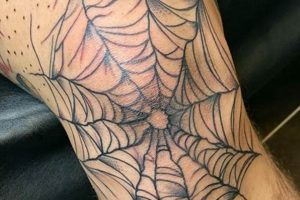
Cobwebs, frequently incorporated into these designs, symbolize the fragility of life and the interconnectedness of the living and the dead. Butterflies represent transformation and the soul’s journey after death. Teardrops can signify mourning and loss, while hearts symbolize love and remembrance. Skulls themselves, beyond their literal representation of death, often symbolize the cyclical nature of life and the celebration of those who have passed. Incorporating religious iconography, such as crosses or images of saints, can reflect the syncretism of Mexican spiritual beliefs, blending pre-Columbian traditions with Catholic iconography. Similarly, incorporating names or dates within the design adds a deeply personal layer of remembrance, connecting the tattoo to specific individuals and their stories.
The careful selection and placement of these symbolic elements elevate calavera-inspired designs from decorative motifs to powerful statements about life, death, and the enduring bonds of love and remembrance. These elements allow individuals to express complex emotions, honor their heritage, and create lasting tributes to those they have lost. Recognizing and understanding the symbolic language embedded within these designs offers a deeper appreciation of their cultural richness and personal significance.
5. Stylistic variations
Stylistic variations within calavera-inspired tattoo designs offer a broad spectrum of aesthetic approaches, allowing for personalized interpretations of this rich visual tradition. These variations extend beyond simple imagery, reflecting individual preferences, artistic influences, and the specific narratives individuals wish to convey through their body art. Understanding these stylistic distinctions allows for informed choices that align with personal aesthetics and symbolic intentions.
- Realism
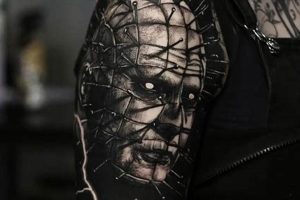
Realistic depictions emphasize anatomical accuracy and detailed rendering, often incorporating shading and highlighting to create a three-dimensional effect. These designs may prioritize a lifelike representation of the skull, focusing on bone structure and texture. This approach can create a powerful and visceral impact, evoking a sense of mortality and the ephemeral nature of life.
- Traditional/Neo-Traditional
Traditional and neo-traditional styles draw inspiration from classic tattooing techniques, employing bold lines, vibrant colors, and iconic imagery. These designs often incorporate established calavera motifs, such as flowers, hearts, and decorative patterns, but within the conventions of traditional tattoo aesthetics. This style can evoke a sense of timelessness and cultural heritage, connecting the design to the broader history of tattoo art.
- Illustrative
Illustrative styles offer greater artistic freedom, allowing for more stylized and personalized interpretations. These designs may incorporate elements of graphic design, cartooning, or other artistic influences. Illustrative approaches often emphasize creativity and individual expression, offering a wider range of visual possibilities.
- Geometric/Abstract
Geometric and abstract styles prioritize shapes, patterns, and lines over literal representation. These designs may incorporate elements of sacred geometry, tribal patterns, or other abstract visual motifs. This approach can create a visually striking and conceptually rich design, emphasizing the symbolic and spiritual aspects of calavera imagery.
The chosen stylistic approach significantly impacts the overall aesthetic and symbolic meaning of the tattoo. By considering these stylistic variations, individuals can ensure their chosen design effectively communicates their personal narrative and artistic preferences within the rich tradition of calavera-inspired body art.
6. Artist Selection
Artist selection is paramount when considering designs inspired by calaveras. The intricate details, vibrant colors, and cultural significance inherent in these designs necessitate a skilled artist with a deep understanding of the subject matter. A knowledgeable artist not only possesses the technical skills to execute the design effectively but also appreciates the cultural sensitivity and symbolic weight it carries. Choosing an artist solely based on price or proximity can lead to a poorly executed or culturally insensitive tattoo, diminishing its artistic and personal value.
Researching an artist’s portfolio is crucial. Look for artists who demonstrate proficiency in the specific style desired, whether it’s realism, traditional, or illustrative. A portfolio should showcase previous work with similar themes, demonstrating the artist’s ability to render intricate details, vibrant colors, and accurate anatomical representations, if applicable. Furthermore, seeking an artist who specializes in this style of tattoo ensures they possess a nuanced understanding of the symbolic elements and cultural context. For instance, an artist experienced in this genre will understand the appropriate use of marigolds versus roses, or the placement of specific symbols like cobwebs or butterflies. This specialized knowledge is crucial for creating a meaningful and culturally respectful tattoo.
Ultimately, the selection of a skilled and culturally sensitive artist ensures the realization of a meaningful and well-executed tattoo. This choice protects the integrity of the design and honors the rich cultural heritage it represents. A well-chosen artist acts as a collaborator, guiding the individual through the design process, offering expert advice, and ensuring the final product is a powerful and lasting expression of personal and cultural significance. Investing time and effort in artist selection is an investment in the tattoo itself, guaranteeing a piece of art that resonates with both its wearer and the cultural tradition it embodies.
Tips for Sugar Skull Tattoo Designs
Successful designs require careful planning and consideration of various factors. These tips provide guidance for achieving a meaningful and aesthetically pleasing result that respects the cultural significance of the imagery.
Tip 1: Research and understand the symbolism: Designs inspired by calaveras are rich in symbolism. Researching the meaning behind various elements, such as specific flowers, colors, and decorative motifs, ensures the final design aligns with intended meanings and avoids unintentional misrepresentation.
Tip 2: Choose an appropriate placement: Placement impacts both the visual impact and the symbolic meaning of the tattoo. Consider body contours, size constraints, and visibility preferences when selecting the location for the design.
Tip 3: Consider the color palette carefully: Color choices significantly influence the mood and overall impact. Traditional vibrant palettes convey a sense of celebration, while muted tones may evoke a more introspective or personal feeling. Color choices should complement the overall design and symbolic intent.
Tip 4: Select a skilled artist specializing in this style: The intricate details and cultural significance necessitate a skilled artist experienced in this particular art form. Review portfolios and seek recommendations to find an artist whose style and expertise align with the desired design.
Tip 5: Personalize the design: While respecting traditional elements, incorporate personal touches to create a unique and meaningful design. This could include incorporating names, dates, or specific symbols that hold personal significance.
Tip 6: Think about long-term care: Tattoos require ongoing care to maintain their vibrancy and prevent fading. Discuss aftercare procedures with the chosen artist and commit to following these instructions to ensure the longevity of the design.
Tip 7: Don’t rush the process: Designing a meaningful tattoo takes time and consideration. Thorough planning, research, and collaboration with the artist ensure a well-executed and personally resonant piece of art. Rushing the process may lead to regrets later.
Careful consideration of these tips ensures a design that is not only visually appealing but also deeply meaningful and culturally respectful. These guidelines empower individuals to make informed decisions, resulting in a lasting piece of art that reflects personal narratives and honors the rich traditions of Da de Muertos.
By following these guidelines, one can embark on the journey of creating a calavera-inspired tattoo that embodies both artistic expression and cultural reverence.
Frequently Asked Questions about Sugar Skull Tattoo Designs
This section addresses common inquiries regarding designs inspired by calaveras, offering clarity on practical considerations and cultural nuances. Understanding these aspects ensures informed decisions and promotes respectful engagement with this rich artistic tradition.
Question 1: What is the cultural significance of sugar skulls?
Sugar skulls are integral to Da de Muertos (Day of the Dead), a Mexican holiday celebrating deceased loved ones. They represent remembrance, not morbidity, serving as vibrant symbols of life and the cyclical nature of existence.
Question 2: Are these tattoos culturally appropriate?
Cultural appropriation becomes a concern if the imagery is used without understanding or respect for its origins. Thorough research and genuine appreciation for the cultural context are crucial for respectful engagement. Consulting with individuals of Mexican heritage can offer valuable insights.
Question 3: How painful are these tattoos?
Pain levels vary depending on individual pain tolerance, placement, and design complexity. Generally, areas with thinner skin or closer to bone experience higher sensitivity. Discussing pain management strategies with the chosen artist can help alleviate discomfort.
Question 4: What is the average cost?
Cost depends on factors like size, complexity, artist’s experience, and geographic location. Larger, more intricate designs by renowned artists typically command higher prices. Prioritizing quality and cultural sensitivity over cost ensures a meaningful and well-executed tattoo.
Question 5: How long does healing typically take?
Healing typically requires 2-4 weeks, depending on individual factors and proper aftercare. Following the artist’s aftercare instructions diligently is crucial for proper healing and preventing complications like infection or ink loss.
Question 6: Can these designs be modified or covered up later?
Modifications or cover-ups are possible, though complexity depends on the original design and the desired changes. Consulting with a skilled artist experienced in cover-ups or modifications provides the best options for achieving desired results.
Careful consideration of these frequently asked questions empowers individuals to make informed decisions, fostering respect for cultural traditions while achieving aesthetically pleasing and personally meaningful body art. This knowledge ensures that the chosen design serves as a powerful expression of personal and cultural appreciation.
For further information on specific design elements or cultural nuances, consult resources dedicated to Da de Muertos traditions and the artistry of calaveras.
Sugar Skull Tattoo Ideas
Exploration of designs inspired by calaveras reveals a rich tapestry of artistic expression and cultural significance. Placement, color palettes, floral motifs, symbolic elements, and stylistic variations all contribute to the narrative power and visual impact of these designs. Careful consideration of these elements, coupled with the selection of a skilled and culturally sensitive artist, ensures a respectful and meaningful representation of this vibrant tradition.
Body art inspired by calaveras transcends mere aesthetics; it serves as a powerful testament to the enduring human connection to life, death, and remembrance. The ongoing evolution of these designs within contemporary tattoo culture underscores their capacity to resonate with diverse individual narratives while honoring the rich cultural heritage from which they originate. Individuals seeking to embrace this art form are encouraged to engage with the subject matter thoughtfully, ensuring their chosen design embodies both artistic integrity and cultural respect.