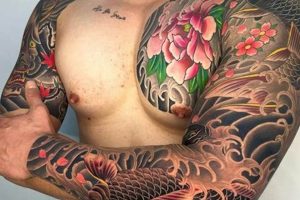



Tattoos located on the area of the torso directly beneath the breasts are a popular choice, offering a canvas for various designs ranging from delicate florals and intricate mandalas to bold geometric patterns and meaningful script. Placement typically follows the natural curve of the ribcage, enhancing the body’s contours. Examples include a single stem of flowers extending from the sternum towards the ribs or a symmetrical design mirroring beneath each breast.
This placement provides a unique blend of visibility and discretion. Designs can be easily concealed with everyday clothing yet prominently displayed with specific attire. Historically, body art in this region has held cultural significance in various traditions, often symbolizing femininity, fertility, or spiritual protection. Today, individuals may choose this location for aesthetic reasons, personal expression, or to commemorate a significant life event. The relative lack of sun exposure in this area may also contribute to the longevity of the tattoo’s vibrancy.
Factors influencing design choices for this placement include pain tolerance, body shape, and desired aesthetic. Further exploration will delve into popular design motifs, considerations for the tattooing process, aftercare best practices, and potential risks.
1. Placement

Placement is paramount for under breast tattoos, significantly impacting the design’s aesthetic appeal, comfort, and longevity. Careful consideration of the natural curves and contours of the body is essential for a harmonious and visually pleasing result. This section explores the critical facets of placement for this specific tattoo location.
- Central vs. Offset
A central placement, directly beneath the sternum, offers a symmetrical and balanced look, often featuring designs that extend outward towards the ribs. Offset placements, beginning further to one side, can create a more asymmetrical, dynamic feel and accommodate designs that flow along the ribcage’s natural curve. An offset placement might be chosen to accentuate a particular curve or accommodate a design element that doesn’t lend itself to symmetry.
- Contouring
The tattoo should complement the body’s natural shape. Designs that follow the curve of the ribcage tend to be more flattering. For example, a vine or floral garland can elegantly follow the under breast curve, enhancing the natural contours rather than disrupting them. Careful consideration of breast tissue and its potential movement is essential during the design process.
- Size and Proportion
Placement influences size limitations. Larger designs might be better suited for individuals with broader ribcages. Smaller, more delicate designs may be preferable for those with smaller frames. A large, intricate mandala might overwhelm a smaller frame, whereas a small, delicate design might be lost on a larger individual. Proportion is key to achieving a balanced and aesthetically pleasing outcome.
- Proximity to the Breast
The design’s proximity to the breast tissue influences both comfort and visibility. Designs placed directly beneath the breast fold can be more prone to friction and may be more sensitive during healing. Slightly lower placement offers greater comfort and allows for easier concealment. A design positioned too high might be uncomfortable due to movement and chafing.
Ultimately, the ideal placement depends on individual preferences, body type, and the chosen design. A skilled tattoo artist can provide expert guidance on placement options, ensuring the tattoo complements the body’s unique contours and fulfills the individual’s vision. Careful consideration of these factors contributes to a successful and satisfying under breast tattoo experience.
2. Sizing
Sizing is a critical factor in the success of under breast tattoos. Appropriate sizing ensures the design complements the individual’s anatomy, heals well, and maintains its aesthetic appeal over time. This section explores the crucial aspects of sizing considerations for this unique placement.
- Proportion to the Torso
A harmonious relationship between the tattoo’s size and the individual’s torso is essential. A large design on a smaller frame can appear overwhelming, while a small design on a larger torso might get lost. The tattoo should be scaled appropriately to complement the individual’s proportions. For example, a sprawling design might be suitable for a broader ribcage, while a smaller, more contained design might be more appropriate for a smaller frame.
- Design Complexity and Detail
Intricate designs with fine details require sufficient space to be executed effectively. Cramming a complex design into a small area can result in muddled details and compromised visual impact as the tattoo ages. Simpler designs can be successfully executed in smaller sizes. A highly detailed portrait, for instance, requires more space than a minimalist single-line design.
- Consideration of Future Changes
Fluctuations in weight and body composition can affect the appearance of an under breast tattoo. Designs should be sized and positioned to minimize distortion caused by potential changes. Designs that span a larger area might be less susceptible to distortion from weight fluctuations than smaller, more localized designs.
- Practical Limitations
The natural curvature of the ribcage and the proximity to the breast impose practical limitations on size. Designs that extend too far around the torso or too high towards the breast can be challenging to execute and may be uncomfortable. The natural anatomy of the area dictates the boundaries within which the design must fit comfortably.
Careful consideration of these sizing elements contributes significantly to the overall aesthetic and longevity of under breast tattoos. Consultation with a skilled tattoo artist is crucial for determining the appropriate size and scale for a specific design, ensuring a harmonious and visually pleasing outcome that complements the individual’s body and artistic vision.
3. Design Styles

Design style significantly influences the aesthetic impact and overall success of under breast tattoos. The chosen style should complement the individual’s personal aesthetic, body shape, and the desired message or symbolism. Various styles lend themselves well to this placement, each offering unique visual characteristics and practical considerations.
Fine Line and Delicate Designs: These styles often feature intricate details, delicate florals, or minimalist linework. Their subtlety and elegance can enhance the natural contours of the under breast area. However, fine lines can blur over time, especially with frequent sun exposure. Examples include delicate botanical illustrations, single-line drawings, or minimalist geometric patterns. This style necessitates a skilled artist specializing in fine line work.
Ornamental and Mandala Styles: These intricate, symmetrical designs, often inspired by Henna or traditional patterns, can create a striking visual centerpiece. Their circular nature can complement the curve of the ribcage. However, the complexity of these designs requires ample space and meticulous execution. A large mandala incorporating geometric patterns and floral motifs serves as a fitting example. These designs often hold cultural or spiritual significance.
Script and Lettering: Meaningful quotes, names, or single words can be tattooed in various fonts and styles. Curved script can follow the natural flow of the under breast area. However, legibility can be compromised if the lettering is too small or the font overly ornate. A quote from a favorite poem or a loved one’s name in a flowing script exemplifies this style. Font choice and placement are critical for readability.
Geometric and Abstract Designs: Bold geometric patterns or abstract shapes offer a modern and visually striking option. These designs can be adapted to various sizes and placements. However, sharp lines and angles can be more prone to blurring over time. Interlocking geometric shapes or abstract watercolor effects illustrate this style. Precise execution is crucial for maintaining clean lines and visual impact.
Selecting an appropriate design style involves careful consideration of personal preference, anatomical factors, and the desired long-term aesthetic. Consulting with a skilled tattoo artist specializing in the chosen style is crucial for achieving a successful and visually compelling under breast tattoo. The artist’s expertise ensures the design complements the individual’s vision and the unique characteristics of this placement.
4. Pain Management

Pain management is a crucial aspect of the under breast tattoo experience. The skin beneath the breast is relatively thin and sits close to the ribcage, making it a more sensitive area than other common tattoo locations. Effective pain management strategies are essential for client comfort, allowing the artist to work efficiently and achieve optimal results. Ignoring pain management can lead to a tense, uncomfortable experience, potentially compromising the quality of the final tattoo due to involuntary muscle movements.
Several strategies can be employed to minimize discomfort during the procedure. Topical numbing creams containing lidocaine can significantly reduce sensation in the area. Over-the-counter pain relievers, such as ibuprofen, taken prior to the appointment may also help. Deep breathing techniques and mindfulness practices can assist in managing pain perception and reducing anxiety. Open communication with the tattoo artist is crucial. Experienced artists can provide guidance on pain management techniques and adjust their approach as needed. For instance, they may recommend shorter sessions or incorporate more frequent breaks. Some studios also offer nitrous oxide or other forms of mild sedation to help clients manage pain and anxiety. Choosing an experienced artist proficient in working on sensitive areas is paramount for a positive experience.
Effective pain management contributes significantly to a positive and successful under breast tattoo experience. It allows clients to remain relaxed and comfortable, enabling the artist to focus on executing the design with precision and care. Proper preparation, including consultation with the artist and consideration of various pain management options, empowers individuals to approach the procedure with confidence and achieve the desired aesthetic outcome.
5. Aftercare Procedures

Aftercare procedures are critical for the healing and longevity of under breast tattoos. This area presents unique challenges due to its location and the nature of the skin. The proximity to the breast, potential for friction from clothing, and skin sensitivity necessitate meticulous aftercare. Neglecting proper aftercare can lead to complications such as infection, ink loss, and excessive scarring. Effective aftercare, conversely, promotes vibrant color retention, minimizes scarring, and prevents complications. For example, consistent application of a recommended ointment creates a barrier against bacteria and keeps the tattoo hydrated, promoting healthy healing. Failing to follow proper hygiene practices, like washing the tattoo with unscented soap, can introduce bacteria and increase the risk of infection.
Specific aftercare instructions should always be obtained from the tattoo artist. General guidelines often include keeping the tattoo clean and dry, avoiding tight-fitting clothing that rubs against the area, and refraining from submerging the tattoo in water for an extended period during the initial healing phase. Specialized aftercare products, recommended by the artist, are formulated to promote healing and protect the tattooed skin. Sleeping positions may need adjustment to minimize contact and friction with the tattoo. For instance, side sleeping might be discouraged initially. Following these procedures diligently ensures optimal healing and preserves the tattoo’s aesthetic integrity over time. Ignoring proper aftercare can result in a faded, scarred, or infected tattoo, requiring touch-ups or even corrective work.
Diligent adherence to aftercare procedures is inextricably linked to the long-term success of under breast tattoos. This delicate area requires specific attention and care to ensure proper healing and preserve the vibrancy and clarity of the design. Understanding the connection between aftercare and the final result empowers individuals to actively participate in the healing process, protecting their investment and enjoying a beautiful, long-lasting tattoo. Ignoring aftercare can undermine even the most skilled artistry, highlighting the crucial role these procedures play in realizing the full potential of under breast tattoo ideas.
6. Artist Selection
Selecting a qualified artist is paramount for under breast tattoos. This placement requires a skilled practitioner who understands the anatomical nuances, potential challenges, and aesthetic considerations specific to this area. Choosing an artist solely based on price or proximity can compromise the final result, leading to a tattoo that is poorly executed, heals improperly, or doesn’t complement the body’s contours. A skilled artist, conversely, possesses the technical expertise and artistic vision to create a beautiful, well-placed, and long-lasting tattoo that enhances the individual’s aesthetic goals.
- Portfolio and Specialization
A thorough review of an artist’s portfolio is essential. Look for examples of their work in similar styles and placements, particularly under breast tattoos. Some artists specialize in fine linework, while others excel in bold, traditional styles. Choosing an artist whose specialization aligns with the desired aesthetic ensures a cohesive and well-executed result. For example, an artist specializing in delicate floral designs is a more suitable choice for a botanical under breast tattoo than an artist known for large-scale geometric pieces.
- Experience with Sensitive Skin
The skin beneath the breast is thin and sensitive. An experienced artist understands how to work with this delicate skin type, minimizing trauma and promoting efficient healing. They adjust their technique and equipment accordingly, using appropriate needle sizes and minimizing pressure. This expertise reduces discomfort during the procedure and contributes to a better healed outcome. An artist accustomed to working on less sensitive areas may not possess the nuanced approach needed for this placement.
- Hygiene and Safety Practices
Strict adherence to hygiene and safety protocols is non-negotiable. A reputable artist maintains a sterile environment, uses single-use needles and equipment, and follows proper sterilization procedures. These practices minimize the risk of infection and ensure client safety. Observing the artist’s workspace and inquiring about their sterilization procedures is crucial before committing to a tattoo.
- Communication and Consultation
Open communication with the artist is crucial. A thorough consultation allows for a discussion of design ideas, placement options, and potential challenges. A skilled artist listens attentively to the client’s vision, offers expert advice, and collaborates on a design that complements the individual’s anatomy and aesthetic preferences. Effective communication fosters trust and ensures a collaborative approach, resulting in a tattoo that meets the client’s expectations.
The synergy between artist selection and under breast tattoo ideas is fundamental to achieving a successful outcome. A skilled artist possesses the technical expertise, artistic vision, and sensitivity to create a tattoo that not only complements the individual’s body but also withstands the test of time. Investing time in researching and selecting a qualified artist specialized in this placement ensures a positive experience and a beautiful, long-lasting piece of body art.
Tips for Under Breast Tattoos
Achieving a successful and aesthetically pleasing under breast tattoo requires careful planning and consideration. These tips provide valuable insights into the process, from conceptualization to aftercare, empowering individuals to make informed decisions and ensure a positive experience.
Tip 1: Research Thoroughly: Extensive research is crucial before committing to an under breast tattoo. Explore various design styles, research reputable artists specializing in this placement, and understand the healing process and potential risks.
Tip 2: Prioritize Placement and Sizing: Placement and sizing significantly impact the tattoo’s aesthetic appeal and longevity. Consider body contours, design complexity, and potential future changes in body composition when determining placement and size. Consult with an experienced artist for personalized recommendations.
Tip 3: Choose a Qualified Artist: Artist selection is paramount. Seek an artist with a strong portfolio demonstrating expertise in the desired style and experience with under breast tattoos. Verify their adherence to strict hygiene and safety protocols.
Tip 4: Prepare for the Procedure: Adequate preparation ensures a smoother experience. Avoid alcohol and caffeine before the appointment, wear comfortable clothing, and discuss pain management options with the artist.
Tip 5: Communicate Openly: Maintain open communication with the artist throughout the process. Clearly articulate design preferences, address any concerns, and follow their instructions diligently.
Tip 6: Follow Aftercare Instructions Meticulously: Diligent aftercare is crucial for proper healing and color retention. Follow the artist’s aftercare instructions precisely, keeping the tattoo clean, moisturized, and protected from friction.
Tip 7: Protect the Tattoo from Sun Exposure: Sun exposure can fade and damage tattoos, especially in sensitive areas like the under breast. Protect the tattoo with high SPF sunscreen once it’s fully healed.
Careful consideration of these tips contributes significantly to a positive and successful under breast tattoo experience. Informed decision-making empowers individuals to achieve a beautiful, long-lasting tattoo that complements their body and reflects their personal style.
By understanding the process, potential challenges, and best practices, individuals can embark on their tattoo journey with confidence and achieve a result that exceeds expectations.
Frequently Asked Questions
This section addresses common inquiries regarding under breast tattoos, providing factual information to inform decision-making and address potential concerns.
Question 1: How painful are under breast tattoos?
Pain levels vary based on individual pain tolerance. The skin beneath the breast is generally considered more sensitive due to its thinness and proximity to the ribcage. Effective pain management strategies, discussed with a qualified artist, can significantly improve comfort levels.
Question 2: How long do under breast tattoos take to heal?
Healing time typically ranges from two to four weeks, influenced by factors such as design size, individual healing rates, and adherence to aftercare instructions. Complete healing, including the settling of ink and reduction of any residual redness, may take longer.
Question 3: Will weight fluctuations or pregnancy affect an under breast tattoo?
Significant weight changes or pregnancy can potentially distort the tattoo’s appearance over time. Careful placement and design choices, discussed with the artist, can minimize potential distortion. Maintaining a stable weight can help preserve the tattoo’s original appearance.
Question 4: What design styles are suitable for under breast tattoos?
Various design styles, including fine linework, ornamental patterns, script, geometric shapes, and abstract designs, can be adapted for under breast placement. Design choice should complement individual anatomy, personal preferences, and the artist’s specialization.
Question 5: How much do under breast tattoos typically cost?
Cost varies depending on factors such as design complexity, size, artist experience, and studio location. It’s advisable to consult with several artists to obtain quotes and discuss design options within a given budget.
Question 6: What are the potential risks associated with under breast tattoos?
As with any tattoo, potential risks include infection, allergic reactions to ink, and scarring. Choosing a reputable artist who adheres to strict hygiene and safety protocols significantly minimizes these risks. Following aftercare instructions diligently is crucial for preventing complications.
Thorough research and open communication with a qualified artist are essential for making informed decisions about under breast tattoos and minimizing potential risks.
This FAQ section serves as a starting point; further consultation with a chosen artist is strongly recommended.
Under Breast Tattoo Ideas
Careful consideration of placement, sizing, design style, pain management, aftercare, and artist selection are crucial for successful under breast tattoos. This placement offers a unique canvas for personal expression, allowing individuals to adorn a discreet yet impactful area of the body with meaningful artwork. Understanding the anatomical considerations, potential challenges, and best practices empowers informed decision-making and contributes to a positive experience and a visually stunning result. Design choices should harmonize with individual body contours and personal aesthetics, resulting in a tattoo that enhances natural beauty and reflects individual style.
Ultimately, a well-executed under breast tattoo represents a powerful intersection of artistry, personal expression, and anatomical awareness. Thorough research, open communication with a skilled artist, and diligent aftercare are essential for realizing the full potential of this unique placement and ensuring a beautiful, long-lasting piece of body art.