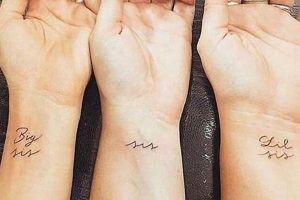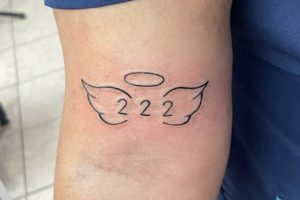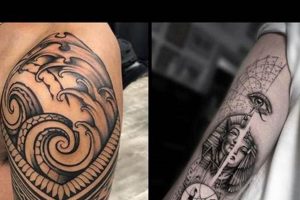



Neurodivergent individuals diagnosed with Attention-Deficit/Hyperactivity Disorder sometimes choose body art to express their lived experience. These designs can range from symbolic representations of struggles and strengths associated with the condition to visual reminders of coping mechanisms or medication schedules. Examples include stylized depictions of dopamine molecules, unboxing imagery, or geometric patterns reflecting cognitive frameworks.
Permanent body art can serve as a powerful form of self-affirmation and community connection. For some, a chosen design acts as a visual, tactile reminder of personal resilience and acceptance. It can also initiate conversations about neurodiversity, increasing awareness and understanding among family, friends, and the wider public. While the practice of using tattoos for self-expression has ancient roots, its association with specific neurological conditions is a more recent phenomenon, reflecting a growing movement towards neurodiversity acceptance and celebration.
Further exploration will delve into popular design themes, the process of selecting a meaningful tattoo, and considerations such as placement, size, and artistic style.
1. Neurodiversity
Neurodiversity, the concept that neurological differences are natural variations within the human population, provides a framework for understanding and celebrating conditions like ADHD. This perspective shifts the focus from deficit to difference, recognizing the unique strengths and challenges associated with neurological variations. Within this context, tattoos can become a powerful tool for expressing neurodiversity affirmation. A design might represent the specific wiring of an ADHD brain, symbolizing not a flaw but a different way of processing information. For example, a complex geometric pattern could represent the intricate thought processes and interconnected ideas common in individuals with ADHD. Similarly, an image of a dandelion dispersing seeds might symbolize the divergent thinking often associated with the condition. These designs serve not only as personal expressions of identity but also as visual representations of the neurodiversity movement itself.
The increasing visibility of neurodiversity-affirming tattoos reflects a growing societal acceptance of neurological differences. These tattoos can spark conversations, educate others, and foster a sense of community among neurodivergent individuals. For instance, a tattoo featuring the chemical structure of dopamine, a neurotransmitter often associated with ADHD, can become a starting point for discussing the neurological basis of the condition. The visibility of such tattoos contributes to destigmatizing neurological differences, encouraging open dialogue and understanding. By choosing to display their neurodiversity proudly, individuals challenge societal norms and contribute to a more inclusive culture.
Understanding the connection between neurodiversity and ADHD tattoos allows for a deeper appreciation of their significance. These tattoos move beyond mere aesthetics, becoming symbols of self-acceptance, resilience, and community belonging. They represent a shift in perspective, embracing neurological differences as integral aspects of human diversity. While challenges remain in ensuring widespread understanding and acceptance, the growing trend of neurodiversity-affirming tattoos points towards a future where neurological differences are celebrated rather than stigmatized.
2. Symbolism

Symbolism plays a crucial role in imbuing ADHD-related tattoos with deep personal meaning. Individuals often select symbols that resonate with their experiences of the condition, representing challenges, strengths, or personal mantras. The hummingbird, for example, can symbolize the constant mental activity and rapid shifts in focus often experienced by individuals with ADHD. Its vibrant energy mirrors the internal landscape, while its ability to hover and dart reflects the challenges of sustained attention. Similarly, the unboxing image, representing the unpacking of complex emotions and thoughts, has become a popular symbol within the ADHD community. These symbols transform abstract experiences into tangible visual representations, allowing for self-expression and external validation.
The selection of symbolic imagery often reflects a desire to reclaim narratives surrounding ADHD. Rather than focusing on perceived deficits, these tattoos highlight the unique cognitive styles and strengths associated with the condition. A semicolumn, for instance, can represent resilience and the continuation of one’s story despite challenges. Similarly, a compass can symbolize navigating the complexities of life with ADHD, finding direction amidst distractions. By choosing symbols that represent strength, perseverance, and self-acceptance, individuals challenge societal perceptions and redefine the narrative surrounding their neurodiversity.
Understanding the symbolism embedded within ADHD-related tattoos provides valuable insight into the lived experiences of neurodivergent individuals. These symbols represent not only personal journeys but also a collective movement towards neurodiversity affirmation and acceptance. While challenges remain in fostering widespread understanding, the symbolic language of tattoos offers a powerful medium for self-expression, advocacy, and community building. The careful selection of symbolic imagery allows individuals to communicate complex experiences, fostering connection and understanding while challenging stigmatizing narratives.
3. Personal Expression

Tattoos offer a powerful medium for personal expression, and for individuals with ADHD, this can be particularly significant. The experience of living with ADHD is often deeply personal, shaped by unique challenges and strengths. A tattoo can serve as a tangible representation of this lived experience, allowing individuals to externalize internal narratives and connect with others who share similar journeys. For example, a tattoo depicting intertwined spirals might represent the cyclical nature of hyperfocus and inattention, while a vibrant splash of color could symbolize the intensity of emotions often associated with ADHD. These designs move beyond generic symbols, becoming deeply personal expressions of individual experiences.
The act of choosing a design, placement, and artistic style further amplifies the element of personal expression. The placement of a tattoo can be imbued with specific meaning, reflecting the individual’s relationship with their ADHD. A tattoo on the wrist, for example, might serve as a constant reminder of coping mechanisms, while a design on the back could represent carrying the weight of the condition. The artistic style also contributes to the narrative, with minimalist linework conveying a sense of clarity and focus, while more abstract designs might reflect the complexities of ADHD. This intentional curation of every aspect of the tattoo transforms it into a unique and powerful statement of self.
Ultimately, the connection between personal expression and ADHD-related tattoos fosters self-acceptance and validation. By externalizing internal experiences, individuals reclaim narratives surrounding ADHD, challenging societal perceptions and celebrating neurodiversity. These tattoos can facilitate open conversations, increase awareness, and foster a sense of community among neurodivergent individuals. While the experience of ADHD remains deeply personal, the shared language of tattoos allows for connection, understanding, and the celebration of individual differences within a broader context of neurodiversity affirmation.
4. Coping Mechanisms

Individuals with ADHD often develop personalized coping mechanisms to navigate the challenges associated with the condition. These strategies, ranging from mindfulness techniques to organizational systems, can be integral to daily life. Representing these coping mechanisms through tattoos allows for a tangible and constant reminder of personal resilience. A tattoo depicting a lotus flower, for instance, might symbolize mindfulness and emotional regulation, serving as a visual cue to practice calming techniques during moments of overwhelm. Similarly, a stylized representation of a clock or calendar could represent the importance of time management and scheduling for individuals with ADHD. These visual reminders embedded in body art can reinforce positive habits and provide a sense of agency in managing the condition.
The connection between coping mechanisms and ADHD-related tattoos extends beyond mere representation. The process of selecting a design and undergoing the tattooing process itself can become a coping mechanism. The deliberate act of choosing a symbol that represents personal strength can be empowering, reinforcing self-acceptance and resilience. Furthermore, the physical sensation of the tattoo can serve as a grounding technique, providing a tangible connection to the present moment. This can be particularly beneficial for individuals who experience emotional dysregulation or difficulty with sensory processing. The resulting artwork becomes a permanent reminder of personal growth and the ongoing journey of managing ADHD.
Integrating coping mechanisms into tattoo designs underscores the importance of personalized strategies in navigating the complexities of ADHD. These tattoos serve not only as aesthetic expressions but also as functional tools for self-management and empowerment. By visually representing and reinforcing coping mechanisms, individuals can cultivate a stronger sense of self-efficacy and resilience. While the challenges associated with ADHD remain, these tattoos offer a tangible reminder of personal strength and the ongoing pursuit of well-being. They represent a proactive approach to managing the condition, transforming challenges into opportunities for self-expression and growth.
5. Medication Reminders

Medication plays a crucial role in managing ADHD symptoms for many individuals. Maintaining a consistent medication schedule is essential for optimal efficacy, yet remembering to take medication can be challenging, particularly for those experiencing difficulties with executive function. Discreet tattoo designs can serve as practical medication reminders, integrating seamlessly into daily life. A minimalist pill capsule design, for instance, placed on the wrist or finger, can act as a subtle visual cue. Similarly, a stylized representation of a daily planner or alarm clock can symbolize the importance of adherence to a medication schedule. These designs offer a private and personalized approach to medication management, minimizing reliance on external reminders and promoting autonomy.
While incorporating medication reminders into tattoo designs offers practical benefits, careful consideration is crucial. Designs should be simple and easily recognizable to avoid ambiguity. Placement should balance discretion with visibility, ensuring the reminder is readily accessible when needed. Collaborating with a tattoo artist experienced in creating minimalist and symbolic designs can ensure the final artwork effectively serves its intended purpose. Additionally, consulting with a healthcare professional about medication management strategies can provide valuable insights and support. Combining these approaches ensures the tattoo functions as a practical tool within a broader framework of personalized healthcare.
Integrating medication reminders into ADHD-related tattoos highlights the intersection of personal expression and practical functionality. These tattoos offer a discreet and personalized approach to managing a crucial aspect of ADHD treatment, promoting autonomy and adherence to medication schedules. While open communication with healthcare professionals remains essential, leveraging the expressive potential of tattoos to enhance medication management underscores the diverse ways individuals navigate the complexities of ADHD and personalize their healthcare journeys.
6. Community Connection

Shared experiences often foster a sense of community, and for individuals with ADHD, tattoos can serve as visual markers of this shared identity. These designs facilitate recognition and connection among neurodivergent individuals, creating opportunities for mutual support and understanding. The visibility of ADHD-related tattoos can spark conversations, break down stigma, and foster a sense of belonging within a broader neurodiversity movement.
- Shared Symbolism
Specific symbols, such as the hummingbird or unboxing image, carry shared meaning within the ADHD community. Encountering these symbols on others can create an immediate sense of recognition and shared experience. These visual cues can initiate conversations, foster empathy, and build connections based on a shared understanding of the challenges and strengths associated with ADHD.
- Online and Offline Communities
Social media platforms and online forums provide spaces for individuals with ADHD to share their tattoo designs and connect with others. These online communities offer opportunities for exchanging stories, providing support, and celebrating neurodiversity. Offline meetups and support groups further strengthen these connections, creating opportunities for in-person interactions and shared experiences centered around ADHD and its representation through body art.
- Raising Awareness and Reducing Stigma
The visibility of ADHD-related tattoos can contribute to raising awareness and reducing stigma surrounding the condition. By displaying their neurodiversity proudly, individuals challenge misconceptions and promote understanding among family, friends, and the wider public. These tattoos can spark conversations, educate others about ADHD, and foster a more inclusive and accepting environment.
- Empowerment and Self-Acceptance
Connecting with others who share similar experiences can be profoundly empowering for individuals with ADHD. Sharing tattoo designs and stories within a supportive community reinforces self-acceptance and reduces feelings of isolation. This sense of belonging can contribute to improved self-esteem, resilience, and overall well-being.
The connection between community and ADHD-related tattoos highlights the power of shared experiences in fostering belonging and understanding. These tattoos transcend mere aesthetics, becoming symbols of shared identity, resilience, and mutual support within the neurodiversity movement. By creating visible markers of shared experience, individuals with ADHD contribute to a growing sense of community, fostering acceptance, reducing stigma, and empowering one another through the shared language of body art.
Tips for Choosing ADHD-Related Tattoos
Careful consideration is crucial when selecting a tattoo design that represents the lived experience of ADHD. The following tips provide guidance for navigating this process thoughtfully and intentionally.
Tip 1: Research and Reflect: Thorough research is essential before committing to a design. Explore various symbols, artistic styles, and placement options. Reflect on personal experiences and identify elements that resonate deeply with individual journeys with ADHD.
Tip 2: Prioritize Personal Meaning: A meaningful tattoo transcends aesthetics. Select imagery that holds personal significance, reflecting individual strengths, challenges, or coping mechanisms related to ADHD. Avoid generic designs in favor of personalized expressions of lived experience.
Tip 3: Collaborate with a Skilled Artist: Consult with a reputable tattoo artist experienced in creating meaningful and intricate designs. Discuss personal preferences, desired symbolism, and placement considerations. A skilled artist can translate personal visions into impactful artwork.
Tip 4: Consider Placement Carefully: Tattoo placement can influence visibility, accessibility, and personal meaning. Reflect on desired levels of discretion and the symbolic significance of different body areas. Consider practical factors such as clothing restrictions and potential sensitivities.
Tip 5: Plan for Long-Term Care: Tattoos require ongoing care to maintain their vibrancy and integrity. Research aftercare procedures and commit to following recommended guidelines. Proper care ensures the longevity and aesthetic appeal of the chosen design.
Tip 6: Embrace the Journey: The process of selecting and receiving a tattoo can be a deeply personal and transformative experience. Embrace the journey, allowing time for reflection, research, and collaboration with a skilled artist. The resulting artwork should represent a meaningful milestone in the individual’s journey with ADHD.
Tip 7: Budget Accordingly: High-quality tattoos often require a significant financial investment. Research pricing structures and budget accordingly. Recognize that cost can vary based on design complexity, size, and artist experience.
Thoughtful planning and consideration ensure the chosen tattoo becomes a powerful and enduring symbol of personal experience with ADHD. These tips provide a framework for navigating the process with intention, resulting in artwork that resonates deeply with individual journeys and fosters a sense of connection within the neurodiversity community.
The concluding section will summarize key takeaways and offer final reflections on the significance of ADHD-related tattoos within the broader context of neurodiversity affirmation.
Frequently Asked Questions about ADHD-Related Tattoos
This section addresses common inquiries regarding tattoos related to Attention-Deficit/Hyperactivity Disorder, offering factual information and clarifying potential misconceptions.
Question 1: Do ADHD-related tattoos have to be overtly symbolic?
Representations can range from overt symbols like dopamine molecules to more abstract designs reflecting personal experiences. The primary focus should be personal meaning and resonance.
Question 2: Are there specific color palettes associated with ADHD tattoos?
Color choices are entirely personal. While some may opt for palettes reflecting the vibrancy of their internal experience, others might prefer minimalist blackwork. Artistic expression is unrestricted.
Question 3: Can an ADHD-related tattoo help with symptom management?
While a tattoo itself does not directly alleviate symptoms, it can serve as a visual reminder of coping mechanisms or medication schedules, contributing to a sense of personal agency in managing the condition. It is not a replacement for professional treatment.
Question 4: Are there cultural sensitivities to consider when choosing an ADHD-related tattoo?
Thorough research is crucial to ensure chosen symbols do not carry unintended cultural or religious connotations. Respectful consideration of existing cultural meanings is paramount.
Question 5: How can one find a tattoo artist specializing in neurodiversity-themed designs?
Online portfolios, social media platforms, and local tattoo communities can offer valuable resources for finding artists with experience creating meaningful designs related to neurodiversity. Directly contacting artists and discussing design concepts allows for assessing artistic compatibility.
Question 6: What if personal experiences with ADHD evolve over time? Will the tattoo remain relevant?
Choosing designs that represent core values and ongoing journeys rather than transient experiences allows for continued relevance. Openness to potential future adaptations or additions to the design offers flexibility.
Thoughtful consideration of these frequently asked questions ensures informed decision-making regarding ADHD-related tattoos. Prioritizing personal meaning, thorough research, and collaboration with a skilled artist contribute to creating meaningful and enduring artwork.
The subsequent section will offer concluding remarks on the significance of ADHD-related tattoos as expressions of personal identity and community connection.
Conclusion
Exploration of body art concepts related to Attention-Deficit/Hyperactivity Disorder reveals a powerful medium for personal expression, community connection, and neurodiversity affirmation. Discussed themes encompassed symbolic representation, coping mechanisms, medication management, and the significance of shared experiences within the neurodivergent community. Careful consideration of design choices, placement, and artistic style ensures meaningful and enduring artwork reflective of individual journeys.
Body art provides a tangible and deeply personal means of navigating the complexities of ADHD. Continued exploration of these expressive avenues contributes to a growing understanding and acceptance of neurodiversity, fostering a culture where individual differences are celebrated rather than stigmatized. The evolving landscape of body art related to neurological conditions warrants ongoing observation and thoughtful engagement. These permanent expressions offer valuable insights into the lived experiences of neurodivergent individuals, promoting empathy, understanding, and community building.