


Representations of Lilith in body art range from traditional depictions based on ancient mythology such as a winged woman with serpent companions to more modern, symbolic interpretations featuring celestial imagery, botanical motifs, or text from ancient texts. A common example includes a depiction of Lilith with an owl, symbolizing wisdom and independence.
Choosing this subject for a tattoo often reflects a connection to themes of female empowerment, independence, and rebellion against traditional societal expectations. Lilith’s complex history, interpreted across various cultures and religious traditions, makes her a powerful and resonant figure. From her origins in Mesopotamian mythology to her presence in Jewish folklore and later literary works, she represents a reclaiming of feminine power often suppressed in patriarchal narratives. This resonates with individuals seeking to express their own strength and autonomy.
Exploring specific visual interpretations, stylistic approaches, and symbolic elements associated with this subject provides a richer understanding of its significance in contemporary tattoo culture. Further examination will cover popular design choices, the artistic process involved in creating such tattoos, and the individual stories they tell.
1. Symbolism (serpent, owl, moon)

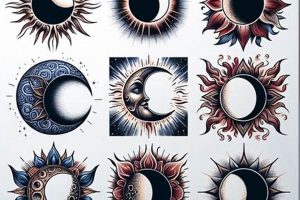
Symbolism plays a crucial role in conveying the complex narrative associated with Lilith. Specific symbols, often derived from ancient mythology and folklore, add layers of meaning to Lilith tattoos. The serpent, frequently depicted alongside Lilith, represents knowledge, temptation, and primal energy. It connects her to the earth and the forces of nature, reflecting her rejection of subservience. The owl, a creature of the night, symbolizes wisdom, independence, and the unseen realms. Its association with Lilith reinforces her connection to hidden knowledge and intuition. The moon, particularly the crescent moon, represents feminine power, cyclical change, and the darker aspects of the divine feminine. Its inclusion in Lilith imagery highlights her association with night, mystery, and the rejection of traditional solar deities.
These symbolic connections offer a visual language for understanding Lilith’s multifaceted nature. A tattoo featuring Lilith with a serpent entwined around her body might emphasize her rebellious spirit and connection to earthly powers. A depiction of Lilith with an owl perched on her shoulder could signify her wisdom and independence of thought. Similarly, a crescent moon positioned behind Lilith underscores her association with the feminine mysteries and cyclical transformations. The intentional use of these symbols allows individuals to express specific aspects of Lilith’s story that resonate with their own experiences and beliefs. Examples include tattoos showcasing Lilith as a protector of women, a symbol of intellectual freedom, or an embodiment of untamed nature.
Understanding the symbolism inherent in Lilith tattoo designs offers deeper insight into the wearer’s connection with this complex figure. While aesthetic considerations are important, the symbolic meaning of these elements provides the foundation for a truly resonant and personalized tattoo. Challenges may lie in accurately representing the chosen symbolism and ensuring the design aligns with the intended message. Effectively utilizing these symbols transforms a simple image into a powerful statement of personal identity and connection to a rich historical narrative.
2. Placement (back, arm, leg)

Placement significantly influences the overall impact and personal meaning of a Lilith tattoo. Consideration of body contours and the desired scale of the design contributes to a cohesive and aesthetically pleasing result. The chosen location can also reflect the wearer’s relationship with the symbolism embodied by Lilith.
- Back
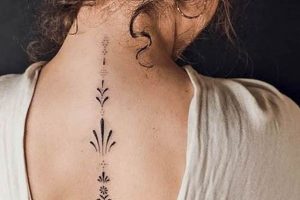
The back offers a large canvas, ideal for intricate and detailed Lilith depictions. Large-scale designs, such as Lilith with outstretched wings or surrounded by symbolic elements, can be fully realized on the back. This placement can suggest a connection to the wearer’s foundation, representing a strong, underlying sense of empowerment.
- Arm
Arm placement, particularly the forearm or upper arm, allows for a more visible display of the Lilith tattoo. This location suits designs of varying sizes, from smaller, symbolic representations to more elaborate portraits. Arm placement can symbolize the wearer’s agency and active embrace of Lilith’s attributes.
- Leg
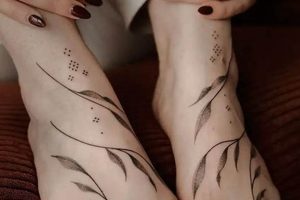
Leg placement, like the thigh or calf, offers a balance between visibility and discretion. This area can accommodate designs that emphasize Lilith’s connection to primal instincts and earthly power, particularly if incorporated with elements like serpents or botanical motifs. Leg placement can also symbolize a grounded connection to Lilith’s rebellious nature.
- Other Placements
While back, arm, and leg placements are common choices, other locations like the ribs, chest, or even hands can also be considered. These choices often reflect a more intimate and personal connection to Lilith’s symbolism. Rib placement, for instance, can suggest a connection to vulnerability and strength, while hand placement emphasizes agency and direct action.
Ultimately, placement choices depend on individual preferences and the specific design elements incorporated. A cohesive relationship between image and location enhances the overall aesthetic and symbolic impact of the tattoo, transforming it into a powerful expression of personal identity and connection to Lilith’s enduring narrative.
3. Style (traditional, modern)
Artistic style significantly impacts the visual representation and symbolic interpretation of Lilith tattoos. Distinct stylistic approaches offer diverse ways to express her multifaceted nature, ranging from traditional representations rooted in historical iconography to contemporary interpretations reflecting modern artistic sensibilities. Choosing a style often aligns with individual preferences and the specific narrative the wearer wishes to convey.
Traditional styles, such as neo-traditional or art nouveau, draw inspiration from established artistic conventions. Neo-traditional often features bold lines, vibrant colors, and iconic imagery, lending a classic aesthetic to Lilith depictions. Art nouveau, with its flowing lines, organic forms, and emphasis on natural elements, can create a sense of ethereal beauty and mystique. These styles can effectively convey Lilith’s connection to ancient mythology and folklore, emphasizing her timeless presence. A traditional depiction might portray Lilith with classic iconographic elements, such as wings, serpents, and a regal posture.
Modern styles, including realism, surrealism, or geometric designs, offer contemporary interpretations of Lilith. Realism focuses on detailed and lifelike representations, potentially highlighting her human-like qualities. Surrealism, with its dreamlike and often paradoxical imagery, can emphasize Lilith’s enigmatic and rebellious nature. Geometric designs, using abstract shapes and lines, offer a stylized and symbolic representation, potentially focusing on specific aspects of her story, like her connection to sacred geometry or celestial bodies. A modern Lilith tattoo might portray her as a powerful, contemporary woman, incorporating abstract elements or surreal imagery to reflect her complex personality.
Selecting an appropriate style ensures the visual representation aligns with the intended meaning and personal resonance. While traditional styles emphasize a connection to historical narratives, modern styles offer greater creative freedom and opportunities for personalized interpretations. This stylistic choice ultimately shapes the overall aesthetic and symbolic impact of the tattoo, transforming it into a powerful statement of personal identity and connection to Lilith’s enduring narrative. Challenges may arise in finding an artist proficient in the chosen style and ensuring the final design effectively captures the desired nuances of Lilith’s complex character. Careful consideration of stylistic elements ensures the tattoo becomes a meaningful and aesthetically compelling piece of art.
4. Color palettes (blackwork, vibrant)

Color palettes play a significant role in shaping the aesthetic and symbolic impact of Lilith tattoos. Careful selection of color enhances the chosen design and further emphasizes specific aspects of Lilith’s complex character. The spectrum ranges from stark blackwork, emphasizing shadow and form, to vibrant color schemes, reflecting the multifaceted nature of this powerful figure.
- Blackwork
Blackwork utilizes solely black ink, creating strong contrasts and emphasizing lines, shapes, and textures. This monochromatic approach often evokes a sense of mystery, power, and timelessness, aligning with Lilith’s association with the night and hidden knowledge. Blackwork can effectively depict intricate details and symbolic elements, such as serpents, owls, or celestial imagery. The absence of color allows the design itself to take center stage, focusing attention on the composition and symbolism.
- Vibrant Colors
Vibrant color palettes offer a dynamic and expressive approach to Lilith tattoos. Bold color choices, such as deep reds, blues, purples, and golds, can represent her multifaceted nature, associating her with passion, power, and royalty. These palettes can also highlight specific symbolic elements, such as the fiery red of a serpent representing primal energy, or the deep blue of the night sky symbolizing her connection to celestial realms. Vibrant colors can create a visually striking and evocative image, reflecting Lilith’s dynamic presence.
- Monochromatic with Accents
A combination of blackwork with selective use of color offers a balanced approach. Predominantly black ink provides a strong foundation, while carefully chosen color accents highlight specific elements and draw attention to symbolic details. This approach can create a dramatic and visually engaging design, emphasizing certain aspects of Lilith’s character without overwhelming the overall composition. For example, a predominantly black Lilith tattoo might feature red accents on her lips or eyes, emphasizing her seductive and powerful nature.
- Color Symbolism
The symbolic meaning of colors further enhances the narrative conveyed by the tattoo. Red can represent passion, power, and life force, while blue can symbolize wisdom, mystery, and the divine. Green often signifies nature, fertility, and growth, while purple represents royalty, magic, and transformation. Consideration of color symbolism adds another layer of depth and meaning to the tattoo, aligning the visual representation with the intended message. For instance, a Lilith tattoo featuring predominantly green and earthy tones might emphasize her connection to nature and the cycle of life and death.
The chosen color palette significantly impacts the overall aesthetic and symbolic resonance of a Lilith tattoo. While blackwork emphasizes a sense of mystery and timelessness, vibrant colors offer a more dynamic and expressive approach. Careful consideration of color symbolism and the interplay between different hues allows for a nuanced and personalized representation of Lilith’s complex and enduring narrative. The selection should align with the chosen design, placement, and the individual’s personal connection to Lilith’s multifaceted character.
5. Incorporation of Text (Names, Quotes)
Incorporating text into Lilith tattoo designs adds another layer of meaning and personalization. Text elements can range from Lilith’s name in various languages to quotes from ancient texts or modern literature that resonate with her symbolism. This practice allows for a more direct and explicit articulation of the wearer’s connection to Lilith’s narrative.
- Names and Titles
Including Lilith’s name, or titles associated with her, strengthens the connection to her specific mythology and reinforces her presence within the design. Variations in language, such as Hebrew, Sumerian, or Akkadian, offer further symbolic depth. For example, using the Hebrew spelling “” adds a direct link to Jewish folklore, while utilizing a Sumerian variant connects the tattoo to her ancient Mesopotamian origins. The inclusion of titles like “Queen of the Night” or “Lady of the Demons” further emphasizes specific aspects of her character.
- Quotes from Sacred Texts
Quotes from ancient texts associated with Lilith, such as the Epic of Gilgamesh or the Zohar, provide a historical and mythological context. These texts often contain descriptions of Lilith’s powers, character, and role within their respective narratives. Incorporating these quotes imbues the tattoo with a sense of ancient wisdom and connects it to a broader literary tradition. A quote referencing her independence or defiance of patriarchal structures can further personalize the tattoo’s message.
- Literary References
Quotes from literary works that feature or allude to Lilith, such as those by Goethe, Baudelaire, or modern feminist authors, offer contemporary interpretations of her character. These references reflect evolving perspectives on Lilith and her symbolism, often highlighting her connection to themes of female empowerment and rebellion. Incorporating these quotes can create a dialogue between ancient mythology and modern interpretations.
- Personal Affirmations
Incorporating personal affirmations or words of empowerment alongside Lilith imagery creates a highly personalized and meaningful tattoo. These text elements might reflect the wearer’s own journey of self-discovery and connection to Lilith’s themes of independence, strength, and self-acceptance. Such inclusions transform the tattoo into a personal mantra and a powerful symbol of individual empowerment.
The thoughtful integration of text enhances the narrative conveyed by Lilith tattoos. Whether through names, quotes, or personal affirmations, these elements allow for a more explicit and personalized expression of the wearer’s connection to Lilith’s enduring symbolism. The chosen text should complement the visual elements, contributing to a cohesive and meaningful design that resonates with the individual’s personal interpretation of Lilith’s complex and multifaceted character.
Tips for Lilith Tattoo Designs
Careful consideration of several factors ensures a meaningful and aesthetically pleasing Lilith tattoo. These tips provide guidance for navigating the design process and achieving a result that resonates with the wearer’s individual connection to Lilith’s symbolism.
Tip 1: Research Thoroughly: Deepen understanding of Lilith’s diverse interpretations across cultures and mythologies. This knowledge informs design choices and ensures symbolic accuracy.
Tip 2: Choose Meaningful Symbolism: Select symbols that resonate personally and accurately reflect the desired aspects of Lilith’s character, whether it be her independence, wisdom, or connection to nature.
Tip 3: Collaborate with a Skilled Artist: Seek an artist experienced in the chosen style and comfortable working with symbolic imagery. Discuss design ideas in detail to ensure a shared vision.
Tip 4: Consider Placement Carefully: Placement impacts both visibility and symbolic meaning. Choose a location that complements the design and reflects the wearer’s personal connection to Lilith.
Tip 5: Explore Different Styles: Experiment with various artistic styles, from traditional to modern, to find an approach that aligns with the desired aesthetic and symbolic representation.
Tip 6: Utilize Color Strategically: Color palettes significantly influence the overall impact of the tattoo. Consider the symbolism of colors and their relationship to Lilith’s character.
Tip 7: Incorporate Text Thoughtfully: If incorporating text, choose meaningful quotes, names, or affirmations that enhance the narrative and personalize the design.
Tip 8: Prioritize Quality and Aftercare: Invest in a high-quality tattoo from a reputable artist and follow proper aftercare instructions to ensure the longevity and vibrancy of the design.
By following these tips, individuals can create Lilith tattoos that serve as powerful expressions of personal identity, connection to a rich history, and embodiment of chosen symbolic meanings. A well-designed tattoo becomes a piece of art that resonates deeply and tells a unique story.
These insights into design choices and symbolic meanings provide a comprehensive understanding of Lilith tattoos and their significance within contemporary body art. Concluding remarks will offer final thoughts on the enduring appeal of Lilith as a subject for self-expression.
Frequently Asked Questions about Lilith Tattoo Designs
This section addresses common inquiries regarding Lilith tattoos, offering clarity on design choices, symbolic interpretations, and practical considerations.
Question 1: What are the most common symbolic representations of Lilith in tattoos?
Common depictions include serpents, owls, the moon, and the Tree of Knowledge. These symbols represent Lilith’s association with wisdom, independence, temptation, and forbidden knowledge.
Question 2: Where are Lilith tattoos typically placed on the body?
Placement varies based on personal preference and design size. Popular locations include the back, arms, legs, and ribs, each offering different levels of visibility and symbolic significance.
Question 3: Are there specific color palettes commonly associated with Lilith tattoos?
While color choices are diverse, blackwork and rich, dark tones are frequently used to reflect Lilith’s association with night and mystery. However, vibrant colors can also be incorporated to emphasize her power and multifaceted nature.
Question 4: What are the potential cultural or religious implications of getting a Lilith tattoo?
Lilith holds different meanings across various cultures and religions. Researching these interpretations is crucial for understanding the potential implications and ensuring respectful representation.
Question 5: How can one ensure the accuracy and respectful depiction of Lilith in a tattoo design?
Thorough research, consultation with knowledgeable artists, and careful selection of symbols contribute to a respectful and accurate representation of Lilith’s complex character.
Question 6: What is the significance of incorporating text into a Lilith tattoo?
Text elements, such as Lilith’s name in different languages or relevant quotes, can add layers of meaning and personalize the tattoo, further expressing the wearer’s connection to her narrative.
Understanding these frequently asked questions provides valuable insights for individuals considering a Lilith tattoo. Careful consideration of design choices, symbolic meanings, and cultural contexts ensures a meaningful and respectful representation of this powerful figure.
Further exploration might delve into specific examples of Lilith tattoo designs, showcasing diverse artistic interpretations and personal narratives.
Conclusion
Exploration of visual representations of Lilith reveals a diverse range of symbolic interpretations, stylistic approaches, and design considerations. From traditional depictions rooted in ancient mythology to modern expressions of feminine empowerment, these tattoos offer a powerful medium for personal expression. Key elements such as symbolic motifs (serpents, owls, moons), placement choices (back, arms, legs), stylistic preferences (traditional, modern, geometric), color palettes (blackwork, vibrant), and incorporation of text (names, quotes) contribute to the creation of deeply meaningful and aesthetically compelling designs. Understanding the historical and cultural context surrounding Lilith further enriches the design process, ensuring a respectful and accurate representation of this complex figure.
Ultimately, a Lilith tattoo represents more than just an aesthetic choice; it serves as a powerful statement of personal identity, a connection to a rich historical narrative, and an embodiment of chosen symbolic meanings. Careful consideration of these elements transforms a simple image into a resonant piece of art that tells a unique story, reflecting the wearer’s individual journey and connection to Liliths enduring power.