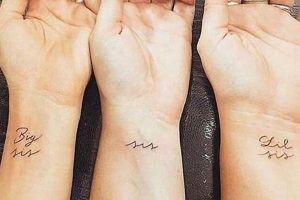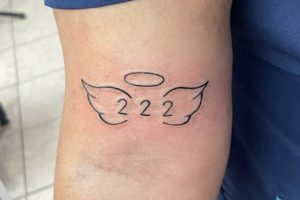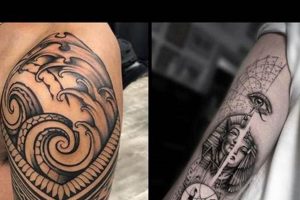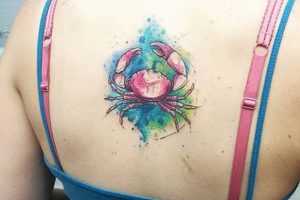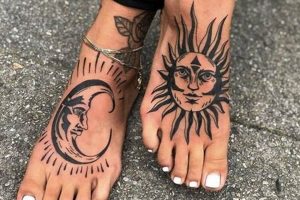



Tattoos related to the number 420 often symbolize cannabis culture and its associated lifestyle. These designs can range from simple numerical representations to complex artistic depictions of cannabis leaves, related paraphernalia, or characters and imagery evocative of cannabis use. Examples include minimalist “420” lettering, realistic portrayals of marijuana buds, or whimsical depictions of smoking accessories.
For individuals within cannabis culture, these tattoos can serve as a form of self-expression, a symbol of community belonging, or a statement of personal beliefs regarding cannabis legalization and consumption. The historical context links the number 420 to a group of high school students in the 1970s who used it as a code for meeting to consume cannabis. Over time, this code evolved into a widespread symbol of cannabis culture itself, impacting everything from slang and events to artistic expressions like tattoos.
This exploration will delve into various design categories, discuss stylistic choices, and consider the cultural significance these tattoos hold for individuals and the broader community. Further topics will address the process of selecting a design, finding a reputable artist, and understanding aftercare procedures.
1. Design Style

Design style significantly influences the aesthetic impact and overall message conveyed by a 420-themed tattoo. Careful consideration of various artistic approaches ensures a design that resonates with personal preferences and effectively communicates its intended symbolism within cannabis culture.
- American Traditional
Characterized by bold lines, vibrant colors, and iconic imagery, American Traditional lends itself well to depictions of cannabis leaves, buds, and related paraphernalia. This style often features stylized depictions with a vintage aesthetic, creating a timeless and instantly recognizable design.
- Realism
Realism focuses on detailed and accurate representations. In the context of 420 tattoos, this could involve intricate depictions of specific cannabis strains, showcasing their unique textures and colors. This style allows for a high degree of botanical accuracy, appealing to those who appreciate lifelike portrayals.
- Minimalism
Minimalism emphasizes simplicity and clean lines. A minimalist 420 tattoo might consist of a small, single-line drawing of a cannabis leaf or the number 420 in a sleek, modern font. This style offers a subtle yet impactful way to express an affinity for cannabis culture.
- Watercolor
The watercolor style mimics the soft, flowing aesthetics of watercolor paintings. This approach can create dreamlike and vibrant 420 tattoos, often incorporating splashes of color and abstract elements. This style provides a more artistic and less literal interpretation of cannabis-related imagery.
Selecting an appropriate design style ensures the 420 tattoo effectively communicates its intended message. The chosen style should align with individual aesthetic preferences and reflect the specific aspects of cannabis culture the individual wishes to express, whether it be a bold statement or a subtle nod.
2. Cannabis Imagery

Cannabis imagery forms the core visual language of 420-themed tattoos, providing a rich vocabulary of symbols and motifs that communicate specific meanings within cannabis culture. Understanding this visual language is crucial for both designing and interpreting these tattoos, ensuring the chosen imagery aligns with the individual’s intended message.
- Cannabis Leaves
The iconic cannabis leaf, with its distinctive serrated edges, serves as the most recognizable symbol of cannabis culture. Representations vary from simple outlines to highly detailed renderings showcasing the plant’s intricate venation and texture. In tattoo designs, the leaf can symbolize broader themes like nature, growth, and healing, in addition to its direct association with cannabis.
- Cannabis Buds/Flowers
Depictions of cannabis buds, often emphasizing the crystalline trichomes and vibrant colors of different strains, represent the consumable part of the plant. These images can symbolize the psychoactive and medicinal properties of cannabis, celebrating its potency and effects. Realistic portrayals or stylized interpretations can convey different nuances of meaning, from appreciating the plant’s beauty to celebrating its recreational or therapeutic use.
- Related Paraphernalia
Tattoos incorporating paraphernalia like pipes, bongs, rolling papers, or lighters provide a more direct reference to cannabis consumption. These images can represent specific methods of use or serve as a general symbol of cannabis culture and lifestyle. The choice of paraphernalia can also add layers of personal meaning, referencing individual preferences or shared experiences.
- Character/Story-Driven Imagery
Beyond literal representations, some 420 tattoos incorporate characters or scenes associated with cannabis culture. This can include fictional characters known for cannabis use, historical figures associated with cannabis advocacy, or original designs depicting scenes of cultivation, consumption, or community. Such imagery allows for more complex narratives and personalized expressions of individual connections to cannabis culture.
The careful selection and combination of these imagery elements create a powerful visual narrative within a 420 tattoo. Consideration of the specific symbolism associated with each image ensures the tattoo accurately communicates the intended message, reflecting individual experiences and perspectives within the broader context of cannabis culture. The chosen imagery can represent anything from a subtle appreciation for the plant to a bold statement about cannabis advocacy and lifestyle.
3. Numeric Representations

Numeric representations form a cornerstone of 420 tattoo designs, offering a direct and immediately recognizable reference to cannabis culture. The number 420 itself holds symbolic weight, acting as a sort of cultural shorthand. Understanding the various ways this number can be incorporated into tattoo designs expands creative possibilities and allows for nuanced expressions of personal connection to this culture.
- Simple Numerical Form
The most straightforward approach involves tattooing the number “420” in various fonts and styles. From classic serif fonts to modern sans-serif or stylized script, the choice of typography can significantly influence the tattoo’s aesthetic. This direct representation leaves no room for misinterpretation, serving as a clear declaration of affinity with cannabis culture.
- Incorporation into Larger Designs
The number 420 can be seamlessly integrated into larger, more complex tattoo designs. It might be subtly woven into the foliage of a cannabis leaf, incorporated into the smoke emanating from a pipe, or used as a repeating motif within a larger pattern. This approach adds a layer of meaning without making the number the central focus of the design.
- Combined with Roman Numerals (CDXX)
Using Roman numerals (CDXX) offers a more stylized and less obvious representation of 420. This alternative format adds an element of sophistication and intrigue, appealing to those seeking a less overt or more historically evocative representation. The Roman numeral format can also be adapted to fit various design styles, from traditional to modern.
- Clock Face Depiction at 4:20
Depicting a clock face set at 4:20 provides a more visual and symbolic representation. This imagery further reinforces the cultural significance of the number, referencing the time often associated with cannabis consumption. This approach can be incorporated into larger designs or stand alone as a symbolic representation of 420.
The choice of numeric representation allows for varying degrees of subtlety and personalization within 420 tattoo designs. Whether a standalone element or integrated into a larger composition, the number 420 serves as a powerful symbol, communicating a clear message within cannabis culture while offering opportunities for individual expression and creativity.
4. Color Palette

Color palettes play a crucial role in the overall impact and symbolic meaning of 420-themed tattoos. Color choices can evoke specific moods, represent different cannabis strains, and contribute to the aesthetic coherence of the design. Understanding the interplay between color and cannabis-related imagery allows for a more nuanced and personalized tattoo experience.
Green, the most common color associated with cannabis, can be employed in various shades to represent different aspects of the plant. Deep forest greens can evoke the lushness of growing plants, while brighter, lime greens might symbolize the vibrancy of specific strains. Purple hues often signify specific strains known for their vibrant colors, like Grandaddy Purple, adding a layer of connoisseurship to the tattoo. Earthy tones like browns and yellows can represent the natural environment where cannabis thrives or the curing process of the buds. Accents of red, orange, or gold can symbolize the fiery energy sometimes associated with cannabis consumption or the autumnal harvest season. Black and gray scales provide a classic and versatile option, allowing for detailed shading and highlighting of the plant’s texture and intricate features.
Effective color palette selection requires careful consideration of the overall design and the intended message. Vibrant, contrasting colors create a bold and eye-catching look, while muted, monochromatic palettes can convey a more subtle and understated appreciation. Ultimately, the chosen color palette should complement the chosen imagery and design style, creating a cohesive and meaningful representation of the individual’s relationship with cannabis culture. A thoughtful color palette enhances the visual impact and symbolic depth of a 420 tattoo, transforming it from a simple image into a personalized statement.
5. Placement on Body

Placement of a 420-themed tattoo significantly impacts its visibility, personal meaning, and overall aesthetic impact. Careful consideration of placement options ensures the design aligns with individual preferences and effectively communicates its intended message within the context of personal expression and cannabis culture.
- Wrists and Ankles
These locations offer smaller canvas areas, suitable for minimalist designs or small symbolic elements like a single cannabis leaf or the number 420. Placement on the wrist allows for easy visibility and can serve as a frequent personal reminder, while ankle placement offers a more discreet option. These areas are ideal for individuals seeking a subtle yet meaningful expression of their connection to cannabis culture.
- Arms and Legs
Arms and legs provide larger canvases suitable for more complex designs, incorporating detailed imagery, intricate patterns, or combinations of elements. Sleeves or larger-scale pieces can showcase elaborate depictions of cannabis plants, related scenes, or symbolic narratives. Placement on these areas allows for greater artistic expression and provides ample space for visually impactful designs.
- Chest and Back
These areas offer the largest canvases, allowing for expansive and intricate tattoo designs. Large-scale pieces across the chest or back can depict detailed scenes, incorporate multiple elements of cannabis imagery, and create powerful visual statements. The placement on these less visible areas can hold deeper personal significance, representing a more intimate and private connection to cannabis culture.
- Behind the Ear or Inner Lip
These discreet locations offer opportunities for small, hidden tattoos that hold significant personal meaning. A small cannabis leaf or the number 420 tucked behind the ear or inside the lip serves as a private symbol, visible only to select individuals. These placements offer a sense of intimacy and personal connection to cannabis culture, reserved for private expression rather than public display.
Ultimately, the choice of placement depends on individual preferences regarding visibility, personal meaning, and aesthetic considerations. A thoughtful approach to placement ensures the 420 tattoo not only visually complements the chosen design but also effectively communicates its intended message within the broader context of personal style and cannabis culture.
6. Incorporation of Other Elements

Incorporating additional elements into 420-themed tattoos allows for greater personalization and depth of meaning, moving beyond simple cannabis imagery to create more complex and nuanced visual narratives. These additions can contextualize the central theme, express individual experiences, or connect the tattoo to broader cultural or personal values.
Common additions include phrases, symbols, and related imagery. Phrases like “legalize it” or quotes from cannabis advocates provide explicit statements about personal beliefs regarding cannabis legalization and use. Symbols like peace signs, yin and yang symbols, or Rastafarian imagery can connect the tattoo to broader counter-culture movements or spiritual beliefs. Related imagery such as skulls, mushrooms, or other psychedelic-themed visuals can expand the tattoo’s thematic scope, referencing interconnected aspects of counter-culture or altered states of consciousness. Incorporating elements specific to individual experiences, like meaningful dates, locations, or inside jokes, further personalizes the tattoo, transforming it into a unique and deeply symbolic representation of individual experiences within cannabis culture.
For example, a tattoo combining a cannabis leaf with a geometric pattern inspired by sacred geometry can link the plant to themes of spirituality and interconnectedness. A portrait of Bob Marley alongside a cannabis plant explicitly connects individual appreciation for cannabis with the musician’s cultural legacy and advocacy. The incorporation of such elements adds layers of meaning and allows for a richer, more nuanced expression of personal values and beliefs related to cannabis culture. Understanding the symbolic potential of these additional elements is crucial for creating a 420 tattoo that effectively communicates its intended message and resonates with personal significance.
Tips for Choosing a 420 Tattoo
Selecting a tattoo representing cannabis culture requires careful consideration. These tips offer guidance for navigating the process thoughtfully, ensuring a design that resonates with personal values and aesthetic preferences.
Tip 1: Research Thoroughly
Explore various design styles, cannabis imagery, and symbolic elements before committing to a specific concept. Thorough research ensures a design that accurately reflects individual preferences and avoids common clichs.
Tip 2: Consider Placement Carefully
Tattoo placement impacts visibility, personal meaning, and the design’s overall aesthetic impact. Consider factors like professional requirements, personal style, and the desired level of discretion when choosing a location on the body.
Tip 3: Choose a Reputable Artist
Seek out artists specializing in the desired style and with a proven track record of high-quality work. Review portfolios, check client testimonials, and ensure the artist adheres to strict hygiene standards.
Tip 4: Communicate Effectively
Clearly articulate design preferences, including specific imagery, color palettes, and symbolic elements, to the chosen artist. Open communication ensures the final design aligns with individual expectations and artistic vision.
Tip 5: Plan for Aftercare
Proper aftercare is crucial for preserving the tattoo’s quality and preventing complications. Follow the artist’s instructions diligently, using recommended products and avoiding activities that could irritate the healing tattoo.
Tip 6: Reflect Personal Style
A 420 tattoo should reflect individual style and personal connection to cannabis culture. Avoid simply copying existing designs; instead, strive for a unique and personalized expression of individual values and aesthetic preferences.
Tip 7: Understand the Symbolism
Research the cultural and historical significance of chosen symbols and imagery. A deeper understanding of symbolic meanings ensures the tattoo accurately communicates its intended message within the broader context of cannabis culture.
Following these tips ensures a positive and fulfilling tattoo experience, resulting in a design that holds lasting personal significance and effectively communicates individual connection to cannabis culture.
This information provides a solid foundation for making informed decisions about design choices, artist selection, and aftercare procedures. The next section will conclude this exploration, summarizing key takeaways and offering final considerations for those embarking on their 420 tattoo journey.
Frequently Asked Questions about 420 Tattoos
This section addresses common queries regarding 420-themed tattoos, offering factual information and clarifying potential misconceptions.
Question 1: Are 420 tattoos socially acceptable?
Social acceptance of 420 tattoos varies depending on cultural context and individual perspectives. While cannabis culture is becoming more mainstream, some social settings may still hold negative connotations associated with cannabis use. Consider personal circumstances and potential professional implications when deciding on the visibility and design of a 420 tattoo.
Question 2: How much do 420 tattoos typically cost?
Tattoo costs depend on factors such as size, complexity, artist experience, and studio location. Small, simple designs might cost less than larger, more intricate pieces requiring multiple sessions. Consult with reputable tattoo artists to obtain accurate cost estimates based on specific design requirements.
Question 3: Can 420 tattoos be removed or covered up?
Tattoo removal is possible through laser treatments, but complete removal can be costly, time-consuming, and may not always achieve perfect results. Cover-up tattoos offer an alternative, transforming existing designs into new artwork. Consult with tattoo removal specialists or experienced tattoo artists to explore removal or cover-up options.
Question 4: What are the health risks associated with 420 tattoos?
As with any tattoo, health risks include infection, allergic reactions to ink, and scarring. Choosing a reputable and hygienic tattoo studio minimizes these risks. Individuals with pre-existing medical conditions should consult with a healthcare professional before getting any tattoo.
Question 5: What are some discreet 420 tattoo ideas?
Discreet 420 tattoos often incorporate small, minimalist designs or symbolic elements placed in less visible locations. Examples include small cannabis leaves, the number 420 in a small font, or related symbols placed behind the ear, inside the lip, or on the inner ankle. These designs allow for personal expression while maintaining a level of discretion.
Question 6: How can one ensure the quality and longevity of a 420 tattoo?
Quality and longevity depend on factors such as artist skill, ink quality, and aftercare practices. Choosing a reputable artist experienced in the desired style ensures proper execution. Following aftercare instructions diligently, protecting the tattoo from sun exposure, and maintaining healthy skin practices contribute to the tattoo’s long-term vibrancy and clarity.
Careful consideration of these frequently asked questions ensures informed decision-making throughout the tattoo process, from initial design concept to long-term care. This knowledge empowers individuals to approach their 420 tattoo journey with confidence and clarity.
The concluding section will provide final thoughts and considerations, summarizing key takeaways and offering parting advice for individuals considering a 420-themed tattoo.
Conclusion
Exploration of 420 tattoo ideas reveals a rich tapestry of symbolism, artistic expression, and personal narratives interwoven within cannabis culture. From minimalist numeric representations to complex, story-driven imagery, these tattoos offer a powerful medium for communicating individual connections to this evolving cultural landscape. Design choices, placement considerations, and the incorporation of additional elements contribute to the depth and personalization of these symbolic markings. Careful consideration of artistic style, color palettes, and the cultural significance of chosen imagery ensures a design that resonates with personal values and effectively communicates its intended message.
Ultimately, a 420 tattoo serves as a permanent statement of personal identity and cultural affiliation. Thorough research, open communication with reputable artists, and diligent aftercare practices are crucial for ensuring a positive and fulfilling tattoo experience. A well-chosen and expertly executed 420 tattoo transcends mere aesthetics, transforming into a powerful symbol of personal expression and a lasting testament to individual connection within the broader narrative of cannabis culture.