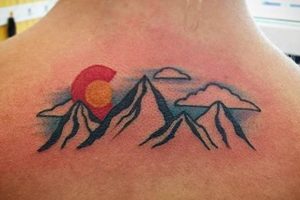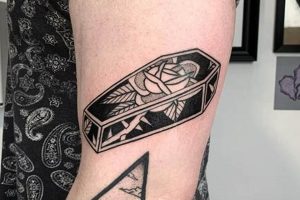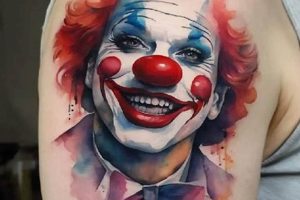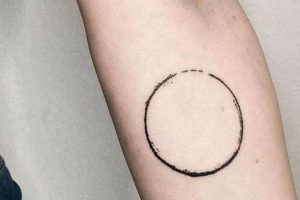



The concept of aesthetically pleasing body art designed specifically for women encompasses a wide range of styles, imagery, and placements. Examples include delicate floral designs, minimalist line art, empowering script, and symbolic representations of personal experiences or beliefs. The chosen aesthetic often reflects individual personality, interests, and cultural influences.
Self-expression through body art serves as a powerful means of communicating identity and personal narratives. It allows individuals to visually represent values, beliefs, and experiences in a lasting and meaningful way. Historically, tattooing has held diverse cultural significance, from marking rites of passage to symbolizing social status. Contemporary trends often emphasize artistic expression and personal empowerment. The permanence of tattoos underscores their significance as deliberate and considered choices reflecting an individual’s journey and self-discovery.
Exploring specific design categories and placement considerations provides a more comprehensive understanding of the vast array of options available. Factors such as size, color palette, and artistic style contribute to the overall impact and personal resonance of the chosen design. Furthermore, examining the cultural and historical influences behind popular motifs adds depth and appreciation for the art form itself.
1. Placement

Placement plays a crucial role in the overall aesthetic and impact of body art, particularly for women. Consideration of body contours, visibility preferences, and the design’s inherent characteristics significantly influences the final result. A delicate floral design might be elegantly placed on the inner wrist or behind the ear, emphasizing femininity and subtlety. Conversely, a larger, more intricate piece might be better suited for the back, shoulder, or thigh, allowing for greater detail and visual impact. The interplay between placement and design creates a harmonious balance, enhancing both the individual’s form and the artwork itself.
Practical considerations also influence placement decisions. Areas subject to frequent friction or sun exposure might require more touch-ups over time. Similarly, certain professions may necessitate discreet placement options. For instance, a small, symbolic tattoo on the ankle can be easily concealed with professional attire, while a larger piece on the forearm might be more readily visible. Understanding the implications of placement ensures the tattoo remains a source of personal satisfaction and aligns with individual lifestyle choices.
Ultimately, thoughtful placement elevates a tattoo from mere decoration to a carefully curated element of personal style. It allows individuals to showcase their chosen artwork in a way that complements their body and reflects their personal aesthetic. Careful consideration of placement ensures the design remains visually appealing and personally meaningful for years to come, contributing to a cohesive and empowering sense of self-expression.
2. Style

Style is a critical factor in determining the aesthetic and symbolic meaning of body art, particularly for women seeking designs that resonate with their individual personalities and preferences. A diverse array of styles caters to various tastes, ranging from minimalist and delicate to bold and intricate. Understanding these stylistic distinctions is crucial for selecting a design that aligns with one’s personal vision and desired impact.
- Minimalism
Minimalist tattoos emphasize clean lines, simple shapes, and often monochromatic color palettes. This style prioritizes understated elegance and symbolic clarity. Examples include geometric patterns, single-line drawings, and small, symbolic imagery. Minimalist designs are often favored for their versatility and timeless appeal, seamlessly integrating with diverse personal styles.
- Watercolor
Watercolor tattoos mimic the soft, diffused effect of watercolor paintings, creating a vibrant and ethereal aesthetic. This style often features flowing lines, vibrant hues, and a sense of artistic spontaneity. Floral designs, abstract patterns, and depictions of animals are popular choices for watercolor tattoos, allowing for a dynamic and expressive representation of personal narratives.
- Realism
Realistic tattoos strive for detailed and accurate depictions of subjects, often resembling photographs or highly detailed paintings. This style requires a high level of artistic skill and precision. Portraits, animal depictions, and natural landscapes are frequently chosen for realistic tattoos, allowing for a powerful and lifelike representation of cherished images or personal memories.
- Traditional
Traditional tattoo styles, such as American Traditional or Japanese Traditional, draw inspiration from established artistic conventions and imagery. These styles often feature bold lines, vibrant colors, and symbolic motifs. Classic imagery like anchors, roses, and skulls are common in traditional tattoos, carrying established cultural meanings and contributing to a timeless and recognizable aesthetic.
The chosen style significantly influences the overall impression and personal meaning conveyed by a tattoo. Selecting a style that resonates with individual preferences ensures the tattoo remains a cherished form of self-expression and a visually appealing element of personal style. By considering the nuances of different styles, individuals can make informed decisions that align with their aesthetic sensibilities and contribute to a cohesive and meaningful representation of their identities.
3. Size

Size is a crucial factor influencing the aesthetic impact and practical considerations of body art for women. The scale of a tattoo directly impacts its visibility, detail complexity, and suitability for various body placements. Smaller designs offer subtlety and discretion, often favored for placements like the wrist, ankle, or behind the ear. These smaller pieces can be easily concealed if necessary and tend to emphasize delicate lines and simpler imagery. Larger tattoos, conversely, provide a canvas for intricate detail and bolder artistic statements, typically placed on areas like the back, thigh, or shoulder. The size of a tattoo should be carefully considered in relation to the chosen design and placement to ensure a harmonious balance and desired visual impact. For example, a large, intricate portrait requires ample space to capture details effectively, while a small, symbolic design can be equally impactful in a more discreet location.
Practical implications associated with size include healing time and potential discomfort. Larger tattoos typically require multiple sessions and longer healing periods due to the increased skin trauma. Smaller tattoos generally heal more quickly and involve less discomfort. Cost is also a factor influenced by size, as larger pieces require more artist time and resources. Furthermore, the size of a tattoo can impact its adaptability to changing body shapes over time. Smaller tattoos are less susceptible to distortion from weight fluctuations or pregnancy, while larger pieces may require touch-ups or adjustments to maintain their original appearance. Careful consideration of these practical aspects ensures the longevity and aesthetic appeal of the chosen design.
Selecting the appropriate size involves a balanced assessment of aesthetic preferences, practical limitations, and the intended message conveyed by the tattoo. A small, minimalist design can be as powerful and meaningful as a large, intricate piece, depending on individual preferences and the symbolic significance embedded within the artwork. Ultimately, the chosen size should complement the individual’s body, personal style, and the overall narrative expressed through the tattoo. This thoughtful approach ensures a harmonious integration of art and body, resulting in a piece that remains aesthetically pleasing and personally resonant for years to come.
4. Symbolism

Symbolism plays a pivotal role in imbuing body art with personal meaning and cultural significance, particularly for women seeking designs that reflect individual narratives and values. Tattoos serve as a powerful medium for expressing beliefs, commemorating experiences, and connecting with broader cultural or spiritual traditions. Understanding the symbolic weight embedded within various motifs allows for the creation of deeply personal and resonant artwork.
- Nature-Inspired Symbolism
Elements drawn from the natural world often carry rich symbolic meaning. Floral motifs, such as roses, lilies, and lotus flowers, can represent love, purity, and resilience, respectively. Animal imagery, like butterflies, birds, and wolves, can symbolize transformation, freedom, and loyalty. Depictions of celestial bodies, such as the sun, moon, and stars, often represent guidance, cycles of life, and connection to the universe. Incorporating these natural elements into tattoo designs allows individuals to connect with the symbolic power of the natural world and express their personal affinity for specific aspects of nature.
- Cultural and Mythological Symbolism
Drawing inspiration from cultural and mythological traditions provides a rich tapestry of symbolic imagery. Symbols derived from ancient cultures, such as Egyptian hieroglyphs, Celtic knots, or Native American totems, can represent specific virtues, beliefs, or ancestral connections. Mythological figures, deities, and creatures, like goddesses, dragons, and phoenixes, often symbolize strength, wisdom, and transformation. Incorporating these cultural and mythological elements into tattoo designs allows individuals to connect with their heritage, express spiritual beliefs, and imbue their body art with historical and cultural significance.
- Personal and Experiential Symbolism
Tattoos can serve as powerful reminders of personal experiences, relationships, and significant life events. Dates, names, or initials can commemorate loved ones or mark important milestones. Symbolic imagery related to personal hobbies, passions, or professions can represent individual identity and values. Abstract designs or geometric patterns can symbolize personal journeys, growth, or abstract concepts that hold personal significance. These personalized symbols create a unique and deeply meaningful narrative reflected in the body art.
- Geometric and Abstract Symbolism
Geometric shapes and abstract patterns often carry symbolic weight, representing universal concepts or personal interpretations. Circles can symbolize wholeness, cycles, and eternity. Triangles can represent strength, stability, and interconnectedness. Spirals can symbolize growth, transformation, and the journey of life. Abstract patterns, through their unique combinations of lines, shapes, and colors, can evoke specific emotions, represent personal experiences, or embody abstract concepts that resonate with the individual. These geometric and abstract symbols offer a versatile and visually appealing way to express complex ideas and personal narratives.
The careful selection of symbolic elements elevates body art beyond mere aesthetics, transforming it into a powerful form of self-expression and personal storytelling. By understanding the rich tapestry of symbolic meanings associated with various motifs, women can curate designs that resonate deeply with their individual identities, values, and experiences. This intentional approach to symbolism ensures that tattoos become cherished expressions of personal narratives, cultural connections, and the ongoing journey of self-discovery.
5. Color Palette

Color palettes significantly influence the overall aesthetic and emotional impact of body art designed for women. Careful selection of hues contributes to the design’s mood, visual appeal, and long-term vibrancy. A monochromatic palette, utilizing varying shades of black or gray, can create a timeless, elegant aesthetic, often favored for minimalist designs or intricate linework. Black ink is known for its longevity and bold contrast against the skin, resulting in a classic and enduring aesthetic. Conversely, vibrant, multicolored palettes can evoke a sense of energy, playfulness, or celebrate personal expression. A skilled artist can blend and layer colors to achieve depth, dimension, and visual interest. For instance, a watercolor tattoo might utilize a spectrum of blues, purples, and pinks to create a soft, ethereal effect, while a traditional Japanese tattoo might incorporate bold reds, blacks, and golds for a more striking and symbolic representation.
Practical considerations also influence color palette choices. Certain ink colors, particularly lighter shades like pastels, may fade more quickly than darker, more saturated hues. Skin tone also plays a role in how colors appear; certain colors may complement specific skin tones more effectively. For example, jewel tones often complement deeper skin tones, while pastel shades might appear more vibrant on lighter skin. Furthermore, individual lifestyle factors, such as sun exposure and frequency of swimming, can impact color longevity. Protecting tattoos from excessive sun exposure is crucial for maintaining color vibrancy over time, regardless of the chosen palette. Consulting with a skilled tattoo artist is essential for discussing color options, considering individual skin tone, and understanding the long-term implications of various color choices.
Strategic color selection enhances the overall impact and personal significance of a tattoo. Color palettes contribute to the design’s emotional resonance, visual appeal, and longevity. By understanding the interplay between color, skin tone, and design elements, individuals can make informed choices that align with their aesthetic preferences and ensure a lasting, visually captivating piece of body art. A well-chosen color palette enhances the artistic expression and personal narrative embodied within the tattoo, transforming it into a vibrant and enduring reflection of individual style and identity.
6. Artist Skill
Artist skill is paramount in realizing aesthetically pleasing and technically sound body art for women. A skilled artist possesses a combination of artistic talent, technical proficiency, and an understanding of design principles that contribute significantly to the final result. Choosing the right artist ensures the desired design is executed with precision, creativity, and attention to detail, resulting in a high-quality, lasting piece of art.
- Technical Proficiency
Technical proficiency encompasses the artist’s ability to operate tattoo equipment effectively, control needle depth and pressure, and achieve clean lines and consistent shading. Proper needle control minimizes skin trauma and promotes efficient ink delivery, resulting in a crisper, more vibrant tattoo that heals well. An experienced artist understands the nuances of different skin types and adapts their technique accordingly to achieve optimal results. This technical mastery ensures the design is executed flawlessly and maintains its integrity over time.
- Artistic Vision and Creativity
Beyond technical skill, artistic vision and creativity contribute to the unique and personalized nature of a tattoo. A skilled artist can interpret client ideas, offer creative suggestions, and develop custom designs that reflect individual preferences and aesthetic sensibilities. They can adapt existing designs or create entirely original artwork tailored to the client’s vision. This artistic input elevates the tattoo from a mere reproduction to a unique piece of art that resonates with the individual’s personality and narrative.
- Hygiene and Safety Practices
Maintaining stringent hygiene and safety standards is crucial for safeguarding client health and ensuring a positive tattooing experience. A reputable artist adheres to strict sterilization protocols, uses single-use needles and supplies, and maintains a clean and sanitary workspace. Proper hygiene practices minimize the risk of infection and complications, ensuring the tattooing process is safe and comfortable. Adherence to these standards demonstrates professionalism and a commitment to client well-being.
- Communication and Collaboration
Effective communication and collaboration between the artist and client are essential for achieving the desired outcome. A skilled artist actively listens to the client’s vision, asks clarifying questions, and provides informed guidance throughout the design process. They offer professional insights regarding placement, size, color palette, and stylistic choices, ensuring the final design aligns with the client’s expectations and aesthetic preferences. Open communication fosters trust and ensures a collaborative approach to creating a tattoo that reflects the client’s individual style and narrative.
Selecting a skilled and reputable artist is a crucial investment in achieving a high-quality, aesthetically pleasing, and meaningful tattoo. Technical proficiency, artistic vision, hygiene practices, and effective communication are essential qualities that contribute to a positive and successful tattooing experience. By prioritizing these factors, women can ensure their chosen designs are executed with precision, creativity, and a commitment to safety, resulting in body art that remains a source of personal pride and self-expression for years to come. The artist’s skill directly translates into the quality, longevity, and overall impact of the tattoo, transforming a cool idea into a beautifully realized and enduring piece of art.
Tips for Choosing Body Art
Careful planning ensures aesthetically pleasing and personally meaningful results when selecting body art. Consideration of practical aspects alongside aesthetic preferences leads to informed decisions and long-term satisfaction.
Tip 1: Research Thoroughly
Extensive research is crucial before committing to a design. Exploring various styles, artists, and symbolism ensures informed choices aligned with individual preferences and desired aesthetics. Examining portfolios of different tattoo artists allows for an assessment of their skill level and stylistic specialization. Thorough research minimizes the risk of regret and increases the likelihood of achieving a desired outcome.
Tip 2: Consider Placement Carefully
Placement significantly impacts the visibility and aesthetic presentation of a tattoo. Consider professional requirements, clothing choices, and body contours when determining placement. Discreet placements offer versatility for professional settings, while more visible placements allow for bolder artistic statements. Understanding the implications of placement ensures the design aligns with individual lifestyles and aesthetic preferences.
Tip 3: Prioritize Quality Over Cost
Body art is a permanent investment; prioritizing quality over cost ensures long-term satisfaction and minimizes potential complications. High-quality inks and experienced artists contribute to vibrant, well-executed tattoos that age gracefully. While cost considerations are valid, compromising on quality can lead to faded ink, uneven lines, or other aesthetic issues requiring costly corrections later.
Tip 4: Reflect Personal Style and Values
Body art serves as a powerful form of self-expression; designs should reflect individual personalities, values, and narratives. Selecting imagery and symbolism that resonate personally ensures the tattoo remains meaningful and relevant throughout life. Meaningful designs contribute to a stronger sense of personal identity and self-expression.
Tip 5: Plan for Aftercare
Proper aftercare is essential for preserving the vibrancy and longevity of a tattoo. Following artist instructions diligently regarding cleaning, moisturizing, and sun protection promotes healthy healing and minimizes the risk of infection or fading. Diligent aftercare ensures the tattoo remains vibrant and aesthetically pleasing for years to come.
Tip 6: Consult with a Professional Artist
Consultation with a reputable tattoo artist provides invaluable insights and guidance. Experienced artists offer expert advice on design choices, placement considerations, and appropriate color palettes based on individual skin tones and desired aesthetics. Professional consultation ensures informed decisions and minimizes potential regrets.
Thoughtful consideration of these tips empowers informed choices, contributing to a positive tattooing experience and a result that reflects individual style and personal narratives effectively.
By adhering to these guidelines, individuals can navigate the process of selecting body art with confidence and foresight, ensuring a result that remains a source of personal pride and self-expression for years to come.
Frequently Asked Questions
Addressing common inquiries regarding aesthetically pleasing body art designed for women provides clarity and facilitates informed decision-making. Openly discussing concerns and misconceptions promotes realistic expectations and contributes to positive experiences.
Question 1: How does one determine the right tattoo style?
Determining the right style involves researching various artistic approaches, considering personal aesthetics, and consulting with experienced tattoo artists. Factors such as lifestyle, desired level of visibility, and symbolic preferences influence style selection.
Question 2: What factors influence tattoo cost?
Cost is influenced by size, complexity, color palette, artist experience, and geographic location. Larger, more intricate designs require more time and resources, thus increasing the overall cost. Reputable artists with extensive experience often command higher rates.
Question 3: How does one find a reputable tattoo artist?
Recommendations from trusted sources, online portfolio reviews, and consultations with prospective artists aid in finding reputable professionals. Prioritizing artists with demonstrable skill, adherence to safety protocols, and a strong understanding of design principles ensures a positive experience.
Question 4: What is the typical healing process for a tattoo?
Healing typically takes several weeks, varying based on individual factors, tattoo size, and placement. Proper aftercare, including regular cleaning and moisturizing, promotes efficient healing and minimizes the risk of complications. Following artist instructions diligently is crucial for optimal results.
Question 5: Can tattoos be removed or altered?
Removal or alteration options exist, including laser removal and cover-up techniques. Laser removal requires multiple sessions and may not completely eliminate the tattoo. Cover-ups involve incorporating existing ink into a new design. Both options require consultation with experienced professionals.
Question 6: What health and safety precautions should be considered?
Ensuring the artist adheres to strict hygiene protocols, utilizes sterilized equipment, and provides clear aftercare instructions is crucial. Individuals with pre-existing medical conditions should consult with healthcare providers before getting a tattoo to address any potential health concerns.
Understanding these common inquiries empowers informed decision-making, minimizes potential risks, and contributes to positive experiences with body art. Thorough research and open communication with experienced professionals are essential for achieving desired aesthetic outcomes and ensuring long-term satisfaction.
Further exploration of specific design inspirations and aftercare practices provides additional guidance for individuals seeking to express personal narratives through aesthetically pleasing and meaningful body art.
Cool Tattoos Ideas for Ladies
Exploring aesthetically pleasing body art designed specifically for women necessitates careful consideration of various factors. Placement, style, size, symbolism, color palette, and artist skill each play a crucial role in achieving a desired aesthetic and ensuring a meaningful, high-quality result. Understanding these elements empowers informed decisions, fostering confident navigation of the diverse landscape of body art possibilities. From delicate floral designs to powerful symbolic imagery, the options available cater to a wide range of personal preferences and artistic expressions. Practical considerations, such as aftercare and cost, are equally important for ensuring long-term satisfaction and preserving the integrity of the chosen design.
Body art serves as a powerful medium for self-expression and personal storytelling. By carefully considering the discussed elements and engaging in thorough research, individuals can embark on a journey of self-discovery and creative expression, transforming cool tattoo ideas into enduring works of art that reflect individual narratives and aesthetic sensibilities. Ultimately, the transformative power of body art lies in its ability to translate personal visions into tangible, lasting expressions of identity, belief, and artistic appreciation.