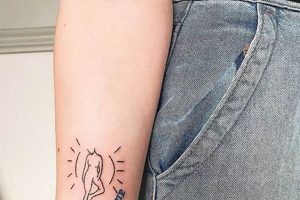



Small, delicate designs are frequently chosen for foot tattoos due to the limited canvas size. Popular options include flowers, vines, quotes, symbols, and geometric patterns. Placement options range from the top of the foot, along the outer edge, around the ankle, or even on the toes.
Foot tattoos offer a unique way to express personal style and beliefs. The placement allows for discreet display or easy concealment depending on footwear choices. Historically, foot adornment has held cultural significance across various societies, with tattoos serving as a modern form of this practice. Considerations such as pain tolerance and aftercare are crucial due to the sensitivity of the area and potential for friction during healing.
Factors such as design complexity, artist selection, and pain management techniques influence the overall experience. Exploring diverse design styles and researching reputable artists is recommended for informed decision-making. Further discussion will cover popular design motifs, practical advice for pre- and post-tattoo care, and addressing common concerns related to foot tattoos.
1. Design Inspiration
Design inspiration forms the foundation of successful foot tattoos, impacting aesthetic appeal, personal expression, and overall satisfaction. Careful consideration of various inspirational sources allows for well-informed decisions aligned with individual preferences and the unique canvas presented by the foot.
- Nature-Inspired Motifs
Floral designs, leaves, vines, and animal silhouettes offer organic elegance and symbolic meaning. Delicate blossoms like cherry blossoms or lotus flowers represent beauty and renewal, while animal depictions can embody strength, grace, or personal connection with specific creatures. The flowing lines of natural elements complement the contours of the foot.
- Geometric Patterns
Mandala designs, intricate linework, and abstract shapes provide visually striking options. Geometric tattoos offer a sense of balance and symmetry, adapting well to the foot’s shape and size. These designs can range from minimalist single lines to complex interweaving patterns, catering to diverse aesthetic preferences.
- Symbolic Representations
Meaningful symbols, such as anchors, feathers, hearts, or religious iconography, convey personal beliefs and values. Small, symbolic tattoos allow for discreet placement and hold deep personal significance. Careful research ensures accurate representation and avoids misinterpretation of chosen symbols.
- Text-Based Elements
Quotes, names, or single words offer powerful expressions of identity and inspiration. Script fonts and minimalist typography styles are often favored for foot tattoos due to space constraints. Meaningful phrases or names of loved ones provide a constant reminder of personal values or cherished relationships.
By exploring these diverse inspirational sources, individuals can develop unique tattoo concepts that resonate with their personal style and the specific characteristics of foot placement. Thoughtful design choices contribute to visually appealing and meaningful tattoos that stand the test of time.
2. Placement Considerations

Placement significantly impacts the aesthetic and practical aspects of foot tattoos. The foot’s anatomy, curvature, and visibility influence design choices and long-term satisfaction. Careful consideration of placement ensures the tattoo complements the foot’s natural shape, remains visually appealing, and withstands the wear and tear associated with this location.
The top of the foot offers a relatively flat surface suitable for intricate designs and detailed artwork. However, this placement experiences greater sun exposure, potentially affecting ink longevity. The outer edge of the foot provides a discreet option, easily concealed by footwear. Designs along the outer edge often follow the foot’s natural curve, creating an elongated, flowing aesthetic. The ankle allows for larger designs and easier integration with existing leg tattoos. Ankle placement offers greater visibility and can accommodate various styles, from delicate florals to bold geometric patterns. Toe tattoos offer a unique, albeit small, canvas for minimalist designs or symbolic representations. However, toe tattoos are prone to fading due to friction and exposure.
Practical considerations, such as shoe comfort and potential friction during healing, should inform placement decisions. Certain placements, like the heel or areas directly beneath the foot, are generally avoided due to constant pressure and potential for ink loss during healing. Consulting with experienced tattoo artists helps individuals assess suitable placements based on design complexity, pain tolerance, and desired visibility. Understanding the interplay between placement, design, and practical limitations is essential for creating visually appealing and enduring foot tattoos.
3. Pain Management

Pain management is a crucial aspect of the foot tattooing process due to the area’s sensitivity. The foot has a higher concentration of nerve endings compared to other body parts, making it a potentially more painful location for tattooing. Understanding and addressing pain concerns allows for a more comfortable and positive experience.
- Topical Anesthetics
Topical anesthetic creams containing lidocaine or prilocaine can numb the skin, reducing discomfort during the procedure. Application typically occurs prior to the tattooing process and may require reapplication during longer sessions. While effective in minimizing pain, topical anesthetics may slightly alter skin texture, potentially impacting the artist’s work. Open communication between the client and artist regarding anesthetic use ensures optimal results.
- Nerve Distraction Techniques
Techniques such as deep breathing exercises, listening to music, or engaging in conversation can help divert attention from the pain. These methods offer drug-free pain management options, reducing anxiety and promoting relaxation during the procedure. Focusing on other stimuli can lessen the perception of pain, making the experience more manageable.
- Over-the-Counter Pain Relievers
Nonsteroidal anti-inflammatory drugs (NSAIDs) like ibuprofen can help manage pain and inflammation before and after the tattoo session. However, avoiding NSAIDs immediately before the procedure is crucial as they can thin the blood, potentially increasing bleeding. Following the artist’s recommendations and consulting a physician regarding medication usage ensures safe and effective pain management.
- Pre-Procedure Preparation
Ensuring adequate rest, hydration, and nourishment prior to the appointment contributes to overall comfort and pain tolerance. A well-rested and hydrated body is better equipped to handle the stress of the tattooing process. Avoiding alcohol and caffeine before the session also helps minimize discomfort and potential complications.
Effective pain management strategies contribute significantly to a positive foot tattoo experience. By discussing options with the tattoo artist and implementing appropriate techniques, individuals can minimize discomfort and focus on the artistic process, resulting in a more enjoyable and successful outcome. Open communication regarding pain tolerance and preferences allows the artist to adjust the procedure accordingly, ensuring client comfort and satisfaction.
4. Aftercare Essentials

Aftercare plays a vital role in the successful healing and longevity of foot tattoos. Due to the foot’s location and constant contact with footwear, diligent aftercare is essential to prevent infection, promote proper ink settling, and minimize complications. Neglecting proper aftercare can lead to faded ink, blurred lines, and increased risk of infection, ultimately compromising the aesthetic and longevity of the tattoo.
The foot’s exposure to friction from shoes and socks necessitates specific aftercare considerations. Keeping the tattoo clean and moisturized is paramount. Regularly washing the tattoo with mild, fragrance-free soap and applying a thin layer of fragrance-free, alcohol-free moisturizer helps prevent dryness and cracking, promoting optimal healing. Avoiding tight-fitting footwear, especially during the initial healing period, minimizes friction and allows the tattoo to breathe. Excessive rubbing from shoes can disrupt the ink settling process and prolong healing time, potentially leading to scarring or ink loss. Elevating the foot whenever possible minimizes swelling and promotes circulation, aiding in the healing process.
Diligent adherence to aftercare instructions provided by the tattoo artist is crucial for preserving the integrity of foot tattoos. These instructions often include specific recommendations for cleaning, moisturizing, and protecting the tattoo from sun exposure and friction. Sun exposure can fade tattoo ink, especially during the initial healing phase. Applying sunscreen with a high SPF once the tattoo is fully healed helps maintain color vibrancy over time. Understanding the connection between meticulous aftercare practices and the long-term quality of foot tattoos empowers individuals to make informed decisions and ensure their chosen artwork remains vibrant and well-defined for years to come.
5. Artist Selection

Artist selection is paramount when considering foot tattoos. The foot’s unique characteristics, such as its small size, complex contours, and sensitivity, necessitate an artist with specific skill sets and experience. Choosing the right artist significantly impacts the final result, ensuring the design translates effectively onto the foot’s canvas and heals properly.
- Style Specialization
Different artists specialize in various tattoo styles, ranging from fine linework to traditional, watercolor, or geometric designs. Selecting an artist whose style aligns with the desired aesthetic ensures the tattoo complements the foot’s shape and reflects personal preferences. For intricate floral designs, an artist specializing in fine linework and delicate details is essential. Geometric patterns require precision and an understanding of symmetry, necessitating an artist with experience in this specific style.
- Portfolio Examination
Reviewing an artist’s portfolio provides crucial insights into their skill level, artistic approach, and experience with foot tattoos. A portfolio showcases an artist’s range, demonstrating their ability to execute different design styles and adapt to the unique challenges of tattooing on the foot. Examining healed work within the portfolio provides a realistic representation of the artist’s capabilities and the long-term outcome of their tattoos.
- Hygiene and Safety Practices
Adhering to strict hygiene and safety standards is non-negotiable in tattooing. A reputable artist prioritizes client safety by using sterilized equipment, maintaining a clean workspace, and following proper aftercare procedures. Thorough sterilization practices minimize the risk of infection, ensuring a safe and healthy tattooing experience. Transparency regarding hygiene practices should be readily available and discussed openly with potential clients.
- Consultation and Communication
Effective communication between the client and artist is essential for a successful outcome. A thorough consultation allows the artist to understand the client’s vision, assess the feasibility of the design on the foot, and address any concerns. Open communication ensures the client’s preferences are respected and the artist’s expertise is applied effectively to create a personalized and well-executed tattoo.
Careful artist selection, based on style specialization, portfolio review, hygiene practices, and clear communication, directly impacts the quality and longevity of foot tattoos. Investing time in researching and selecting a qualified artist ensures the chosen design translates beautifully onto the foot’s unique canvas and heals successfully, resulting in a piece of art that can be enjoyed for years to come.
Tips for Foot Tattoos
Successfully navigating the process of acquiring a foot tattoo necessitates careful planning and consideration. These tips provide practical guidance for individuals exploring foot tattoo options, emphasizing informed decision-making and optimal outcomes.
Tip 1: Research Thoroughly
Comprehensive research regarding design choices, artist selection, and aftercare procedures is crucial. Exploring various design styles, researching reputable artists, and understanding the healing process contributes to informed decisions and realistic expectations.
Tip 2: Consider Placement Carefully
Placement significantly impacts visibility, comfort, and design longevity. Evaluate the foot’s anatomy and typical footwear choices when determining optimal placement to minimize friction and maximize visual appeal.
Tip 3: Prioritize Artist Expertise
Selecting an artist experienced in foot tattoos is essential. The foot’s unique contours and sensitivity require specialized skills and an understanding of how ink reacts on this specific area.
Tip 4: Manage Pain Effectively
The foot’s sensitivity necessitates pain management strategies. Discuss options such as topical anesthetics or nerve distraction techniques with the chosen artist to ensure a comfortable experience.
Tip 5: Commit to Diligent Aftercare
Meticulous aftercare is crucial for proper healing and ink retention. Following the artist’s instructions regarding cleaning, moisturizing, and protecting the tattoo ensures optimal results and minimizes complications.
Tip 6: Evaluate Design Longevity
The foot experiences frequent contact and friction, potentially impacting tattoo longevity. Consider design choices and placement carefully, opting for styles and locations less prone to fading or distortion over time. Simple, bold lines often age better than intricate details in this location.
Tip 7: Factor in Healing Time
Foot tattoos may require a longer healing period compared to other body parts due to increased pressure and movement. Realistic expectations regarding healing time allow for proper care and minimize potential disruptions to daily activities.
By adhering to these guidelines, individuals can approach the process of obtaining a foot tattoo with greater awareness, ensuring a positive experience and a beautiful, lasting piece of body art.
These insights provide a comprehensive foundation for making informed decisions regarding foot tattoos. Careful consideration of these factors contributes to a successful and satisfying outcome, resulting in a cherished piece of personal expression.
Frequently Asked Questions
Addressing common inquiries regarding foot tattoos provides clarity and facilitates informed decision-making. These frequently asked questions offer practical insights into various aspects of the process, from design considerations to aftercare practices.
Question 1: How painful are foot tattoos?
Pain levels vary based on individual tolerance, but the foot is generally considered a more sensitive area due to its numerous nerve endings and thin skin. Effective pain management techniques can significantly reduce discomfort.
Question 2: How long do foot tattoos take to heal?
Healing time typically ranges from 4 to 6 weeks, potentially longer due to the foot’s constant movement and pressure. Diligent aftercare is crucial for proper healing and ink retention.
Question 3: What designs work best for foot tattoos?
Smaller, simpler designs often translate well onto the foot’s limited canvas. Popular choices include floral motifs, geometric patterns, symbolic representations, and short text-based elements.
Question 4: Will a foot tattoo fade quickly?
Foot tattoos are prone to fading due to friction from shoes and sun exposure. Proper aftercare, including moisturizing and sun protection, helps maintain vibrancy and prevent premature fading.
Question 5: What should be avoided after getting a foot tattoo?
Avoid tight-fitting footwear, soaking the tattoo in water (beyond brief cleaning), and excessive sun exposure during the healing period. Adhering to aftercare instructions minimizes complications and promotes proper healing.
Question 6: How much do foot tattoos typically cost?
Cost varies depending on design complexity, size, artist experience, and studio location. Consulting with potential artists allows for accurate price estimates based on individual design preferences.
Understanding these key aspects contributes to a positive and well-informed foot tattoo experience. Thorough research, realistic expectations, and open communication with the chosen artist are essential for achieving optimal results and long-term satisfaction.
For further inquiries or personalized guidance, consulting with a reputable tattoo artist is recommended. Professional expertise provides tailored advice based on individual needs and preferences.
Conclusion
Careful consideration of design, placement, artist expertise, pain management, and aftercare is crucial for successful foot tattoos. Design choices should complement the foot’s anatomy and personal style, ranging from minimalist symbols to intricate patterns. Placement impacts visibility, comfort, and longevity. Selecting a skilled artist experienced in foot tattoos ensures precise execution and minimizes potential complications. Effective pain management strategies and diligent aftercare contribute significantly to the healing process and long-term vibrancy of the chosen design. Addressing practical considerations, such as footwear choices and sun exposure, safeguards the tattoo’s aesthetic integrity over time.
Ultimately, informed decision-making empowers individuals to embark on the process with realistic expectations and achieve desired outcomes. A well-executed foot tattoo becomes a unique expression of personal style, a testament to artistic collaboration, and a lasting piece of body art. Thorough research and open communication with experienced professionals remain essential components of a fulfilling and successful foot tattoo experience.