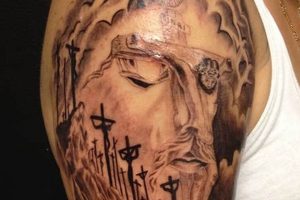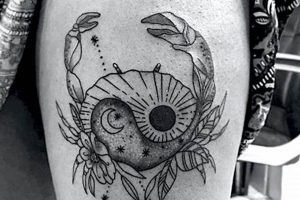



Tattoos associated with Chicano culture often incorporate distinctive stylistic elements such as fine line scripts, religious iconography, and cultural symbols like payasas (clowns) and lowriders. These designs can represent neighborhood pride, family ties, or personal experiences within the Chicano community. For example, a tattoo featuring the Virgin of Guadalupe combined with script lettering might signify both religious devotion and a connection to one’s heritage.
Historically, these types of body art served as powerful markers of identity and solidarity within Chicano communities, particularly during periods of social and political activism. They provide a visual language for expressing cultural pride, resilience, and resistance. This form of self-expression remains significant today, continuing to reflect evolving cultural narratives and individual stories within the Chicano experience.
Exploring specific design elements and their meanings provides a deeper understanding of the rich symbolism and historical context behind this unique art form. Common themes, artistic techniques, and the evolution of these aesthetic traditions will be further examined.
1. Script lettering

Script lettering forms a cornerstone of Chicano tattoo aesthetics, inextricably linked to its cultural and historical context. The distinctive style often employs elaborate, flowing calligraphy, reminiscent of traditional Old English or Gothic fonts. This stylistic choice carries significant weight, representing neighborhood pride, commemorating loved ones, or expressing personal mottos. The careful execution and ornate nature of the script elevate these inscriptions beyond mere words, transforming them into powerful visual statements of identity and belonging. For example, a tattoo featuring the name of one’s barrio rendered in elaborate script demonstrates strong ties to community and place.
The choice of specific words or phrases within script lettering provides further insight into the individual’s narrative. Names of family members memorialize loved ones, while dates or significant events mark important life milestones. In some cases, script may feature phrases or mottos reflecting personal philosophies or cultural values. The placement of script tattoos, often prominently displayed on the hands, forearms, or neck, further underscores their significance as public declarations of identity. This visible placement contributes to the ongoing visual dialogue surrounding Chicano culture and its representation.
Understanding the nuances of script lettering within Chicano tattooing provides a critical lens for interpreting the complex layers of meaning embedded within these designs. The specific stylistic choices, combined with the chosen words and their placement on the body, contribute to a rich visual language deeply rooted in cultural experience. Analyzing these elements offers valuable insights into the ongoing evolution of Chicano artistic expression and its enduring power to communicate identity, history, and personal narratives.
2. Religious imagery

Religious imagery holds a significant place within Chicano tattooing, reflecting deep-seated spiritual beliefs and cultural traditions. These depictions frequently intertwine with other symbolic elements, creating complex visual narratives that express faith, devotion, and protection. Examining specific religious figures and motifs reveals profound connections to Chicano history and cultural identity.
- Virgin of Guadalupe
The Virgin of Guadalupe stands as a prominent figure in Chicano iconography, symbolizing both religious devotion and cultural heritage. Depicted in various styles, from traditional representations to more personalized interpretations, her image serves as a powerful emblem of faith, hope, and maternal protection. Often incorporated within larger tattoo designs, the Virgin of Guadalupe represents a cornerstone of Chicano spiritual belief.
- Praying Hands
Praying hands represent a universal symbol of prayer and supplication, often personalized within Chicano tattooing to include rosaries, crosses, or script lettering. These depictions can signify a connection to faith, requests for divine guidance, or expressions of gratitude. Praying hands frequently accompany other religious iconography, adding another layer of spiritual meaning to the overall design.
- Crucifixes and Crosses
Crucifixes and crosses represent sacrifice, redemption, and faith. Within Chicano tattooing, these symbols often incorporate intricate details and personalized elements, such as names of loved ones or significant dates. These additions imbue the traditional Christian symbolism with personal meaning, commemorating individuals or marking important life events. The stylistic variations in depicting crosses reflect individual expression within a shared cultural context.
- Religious Script and Phrases
Religious script and phrases, such as excerpts from prayers or biblical verses, further enhance the spiritual dimension of Chicano tattoos. These inscriptions often appear alongside religious imagery, adding a textual layer to the visual narrative. The inclusion of specific prayers or phrases can personalize the tattoo, reflecting the individuals beliefs and spiritual practices. This integration of text and image creates a multi-faceted expression of faith.
The prevalence of religious imagery within Chicano tattooing underscores the profound role of faith and spirituality within Chicano culture. These symbols, often interwoven with other cultural markers, create powerful visual statements of identity, belief, and connection to community. Exploring the diverse expressions of religious imagery provides valuable insight into the rich tapestry of Chicano cultural and spiritual life.
3. Cultural Symbols

Cultural symbols play a vital role in Chicano tattooing, representing shared experiences, values, and traditions within the community. These symbols often reflect historical context, social commentary, or aspects of daily life, adding layers of meaning beyond mere aesthetics. Understanding these symbols provides crucial insight into the rich cultural narrative embedded within Chicano tattoo art.
- Lowriders
Lowrider cars, customized with elaborate paint jobs and hydraulic suspension systems, represent a significant cultural touchstone within Chicano communities. Depicted in tattoos, lowriders symbolize ingenuity, creativity, and a distinct aesthetic sensibility. They also represent a source of community pride and a celebration of Chicano cultural heritage. These depictions often showcase intricate details, reflecting the meticulous craftsmanship involved in customizing these vehicles.
- Payasas (Clowns)
Payasas, or clowns, hold a complex and multifaceted significance within Chicano tattooing. Often portrayed with exaggerated features and theatrical expressions, they can represent laughter, resilience, and the ability to find humor amidst adversity. Alternatively, they can symbolize darker themes, reflecting the struggles and challenges faced within Chicano communities. The interpretation of payasas often depends on individual context and personal experiences.
- Barrio Imagery
Imagery depicting barrios, or neighborhoods, provides a visual representation of community, belonging, and shared experiences. Tattoos featuring street scenes, landmarks, or neighborhood names signify deep-rooted connections to place and identity. These depictions often reflect pride in one’s origins and a strong sense of community solidarity. They serve as visual reminders of home and the shared history that binds individuals together.
- Roses and Floral Motifs
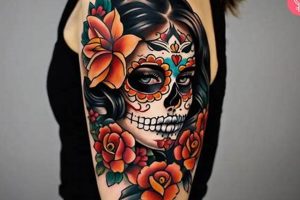
Roses and other floral motifs, often incorporated into larger tattoo designs, hold symbolic meaning related to beauty, love, and loss. Within Chicano tattooing, roses can represent remembrance, honoring loved ones, or commemorating significant life events. The specific color and style of the rose can further refine its meaning, adding layers of personal significance. Floral imagery often intertwines with other cultural symbols, creating complex visual narratives.
These cultural symbols, combined with religious iconography and distinctive lettering styles, contribute to the rich visual language of Chicano tattooing. They represent a powerful form of self-expression, reflecting individual narratives within a broader cultural context. Exploring the diverse meanings embedded within these symbols provides a deeper understanding of Chicano history, values, and artistic traditions.
4. Fine line details

Fine line tattooing constitutes a significant technical and aesthetic component within the broader context of Chicano tattoo art. This technique, characterized by the use of very thin needles and delicate linework, allows for intricate detail and subtle shading, contributing to the overall visual impact of the design. The precision required for fine line work demands considerable skill and experience from the artist, resulting in tattoos that possess a distinct elegance and refined quality. The ability to render intricate details, such as facial features in portraits or the delicate petals of a rose, elevates the artistic expression and allows for greater nuance in storytelling within the tattoo.
The historical development of fine line tattooing within Chicano culture is intertwined with the evolution of tattooing equipment and techniques. As tattoo machines and needles became more refined, artists were able to achieve greater precision and detail in their work. This technical advancement allowed for the creation of more complex and visually compelling designs, contributing to the distinctive aesthetic of Chicano tattooing. For example, the fine lines enable artists to create elaborate script lettering, featuring intricate flourishes and embellishments, which has become a hallmark of the style. Similarly, fine lines allow for detailed depictions of religious iconography, such as the Virgin of Guadalupe, enabling a greater level of realism and emotional depth within the tattoo.
Fine line details not only enhance the aesthetic quality of Chicano tattoos but also contribute to their cultural significance. The ability to render intricate details allows for a more nuanced and personalized expression of individual and collective identity. The precision of fine line work enables the incorporation of subtle details that hold personal meaning, such as specific dates, names, or symbols that resonate with the individual’s lived experience. This level of detail transforms the tattoo into a powerful visual narrative, reflecting the individual’s connection to their heritage, community, and personal beliefs. The enduring popularity of fine line tattooing within Chicano culture underscores its importance as a distinct artistic tradition, reflecting the ongoing evolution of Chicano artistic expression.
5. Black and gray realism
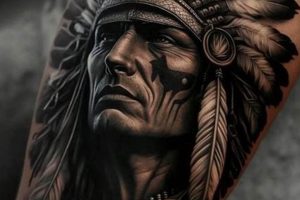
Black and gray realism holds a prominent position within Chicano tattooing, contributing significantly to its distinctive aesthetic and cultural narrative. This technique, characterized by the use of diluted black ink to create a spectrum of gray tones, allows for a nuanced approach to portraiture and detailed depictions of cultural iconography. Black and gray realism’s ability to capture intricate details and subtle gradations of light and shadow imbues tattoos with a sense of depth and dimensionality, elevating them beyond mere ornamentation to powerful expressions of personal and collective identity. This technique’s historical development within Chicano tattooing is closely linked to the availability of specific tools and pigments, as well as the evolving artistic skills within the community.
The prevalence of black and gray realism within Chicano tattooing reflects its capacity to convey powerful narratives and evoke emotional responses. Portraits of loved ones, rendered with striking realism, serve as lasting tributes and expressions of familial devotion. Depictions of religious figures, such as the Virgin of Guadalupe, demonstrate spiritual reverence and cultural pride. Furthermore, black and gray realism allows for detailed depictions of cultural symbols, such as lowriders or barrio imagery, further cementing the connection between individual identity and community heritage. The technical skill required to execute black and gray realism effectively also elevates the status of the tattoo artist within the community, highlighting their artistic mastery and their role in preserving and transmitting cultural traditions.
Understanding the significance of black and gray realism within Chicano tattooing provides essential context for interpreting the complex layers of meaning embedded within these designs. The technique’s capacity to convey intricate detail and evoke emotional depth makes it a powerful tool for storytelling and cultural expression. Black and gray realism, along with other stylistic elements such as script lettering and cultural iconography, contributes to the rich visual language that defines Chicano tattoo art. This enduring artistic tradition continues to evolve, reflecting the changing social landscape and individual experiences within Chicano communities.
Tips for Choosing Chicano-Inspired Tattoos
Careful consideration should be given to design choices, placement, and artist selection when pursuing tattoos inspired by Chicano culture. These tips offer guidance for navigating the process thoughtfully and respectfully.
Tip 1: Research and Understand Symbolism: Thorough research is crucial before committing to a design. Understanding the historical and cultural significance of various symbols prevents misappropriation and ensures respectful representation.
Tip 2: Collaborate with a Knowledgeable Artist: Seek out artists experienced in Chicano tattooing traditions. Their expertise ensures authentic execution and culturally sensitive design choices. Discuss design ideas thoroughly to ensure alignment with personal narratives and cultural understanding.
Tip 3: Consider Placement Carefully: Placement impacts both the visibility and meaning of the tattoo. Traditional placements, such as hands, forearms, or neck, hold specific cultural significance and should be chosen thoughtfully.
Tip 4: Prioritize Quality over Cost: High-quality tattoos require skilled artistry and premium materials. Investing in quality ensures a lasting piece that accurately reflects the desired aesthetic and cultural significance.
Tip 5: Plan for Long-Term Care: Tattoos require ongoing care to maintain their vibrancy and integrity. Following proper aftercare procedures, such as keeping the tattoo clean and moisturized, preserves the artwork and prevents complications.
Tip 6: Reflect Personal Narratives Respectfully: While drawing inspiration from Chicano culture, ensure the design reflects personal narratives authentically and avoids stereotypical representations. Personalized elements, such as names or dates, add individual significance without compromising cultural respect.
Thoughtful planning and informed decision-making result in meaningful tattoos that honor Chicano artistic traditions and personal narratives. These considerations ensure a respectful and culturally appropriate approach to this significant art form.
By understanding the rich history and symbolism behind Chicano tattooing, individuals can embark on this journey with greater appreciation and respect. This knowledge empowers informed choices that celebrate cultural heritage and personal expression.
Frequently Asked Questions
This section addresses common inquiries regarding tattoos inspired by Chicano culture, offering factual information and clarifying potential misconceptions.
Question 1: What is the cultural significance of Chicano tattoos?
Chicano tattoos serve as powerful expressions of cultural identity, reflecting community pride, personal narratives, and historical experiences within Chicano communities. They often incorporate specific symbols, religious iconography, and script lettering that hold deep cultural meaning.
Question 2: Are Chicano tattoos exclusive to individuals of Chicano descent?
While deeply rooted in Chicano culture, the appreciation for these artistic traditions extends beyond specific ethnic boundaries. However, respectful consideration of cultural context and appropriate representation are crucial for anyone considering such a tattoo.
Question 3: How does one choose a culturally appropriate Chicano tattoo design?
Thorough research and consultation with knowledgeable artists are essential. Understanding the historical and cultural significance of various symbols ensures respectful and informed design choices. Personalized elements can be incorporated while maintaining cultural sensitivity.
Question 4: What are the key elements of Chicano tattoo style?
Distinctive features include fine line script lettering, religious imagery (such as the Virgin of Guadalupe), cultural symbols (like lowriders and payasas), and often black and gray realism. These elements combine to create visually striking narratives steeped in cultural significance.
Question 5: How can one find a reputable artist specializing in Chicano tattoos?
Seek recommendations from within Chicano communities or online tattoo forums. Review artist portfolios carefully, focusing on experience with Chicano style and attention to cultural detail. Direct communication with potential artists is essential to discuss design ideas and ensure a shared understanding.
Question 6: What is the importance of aftercare for Chicano tattoos?
Proper aftercare ensures the longevity and vibrancy of the tattoo. Following artist instructions regarding cleaning, moisturizing, and sun protection preserves the artwork and prevents complications. Diligent aftercare demonstrates respect for the art form and the cultural traditions it represents.
Careful consideration of these frequently asked questions promotes a deeper understanding and appreciation for the rich cultural heritage embedded within Chicano tattoo art. Respectful engagement with this art form honors its significance and ensures culturally sensitive representation.
Exploring the various facets of Chicano tattooing provides a comprehensive understanding of its cultural relevance and artistic merit.
Conclusion
Exploration of culturally-inspired tattooing reveals a rich tapestry of symbolic expression. Distinctive styles, such as fine line script, religious iconography, and cultural motifs, intertwine to communicate complex narratives of identity, heritage, and personal experience. Technical aspects, including black and gray realism and meticulous attention to detail, further elevate these designs to an art form deeply rooted in cultural tradition.
The enduring power of these artistic traditions underscores the importance of respectful representation and thoughtful consideration. Further exploration of cultural context and artistic techniques enriches appreciation for the profound symbolism embedded within these powerful visual narratives. Continued dialogue fosters understanding and ensures the preservation of cultural heritage for future generations.