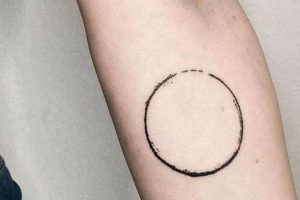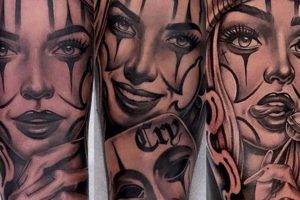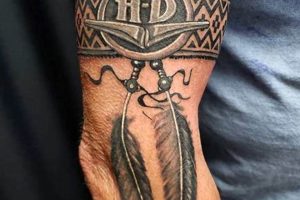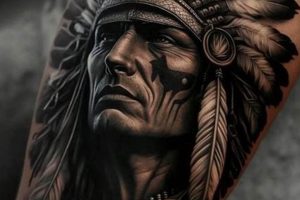



Currently trending tattoo designs encompass a wide range of styles and motifs, reflecting evolving artistic trends and personal expression. Examples include minimalist line art, intricate geometric patterns, realistic portraits, vibrant watercolor effects, and nature-inspired imagery such as botanical illustrations and animal portraits.
Choosing a design that resonates with current aesthetic preferences can offer several advantages. A contemporary design can signal an awareness of current artistic trends, providing a sense of modernity and style. Furthermore, skilled tattoo artists often specialize in particular styles, allowing individuals to select an artist whose expertise aligns with their desired aesthetic. The evolution of tattooing as an art form is reflected in these trends, demonstrating a dynamic interplay between artistic innovation and personal significance.
This article will delve into specific popular categories, exploring diverse options available for those seeking contemporary and meaningful body art. Discussions will include stylistic considerations, placement options, and the cultural or symbolic meanings potentially associated with various designs.
1. Minimalist Designs

Minimalist aesthetics have become increasingly prominent in contemporary tattooing, representing a significant trend within current popular designs. Characterized by clean lines, simple forms, and often monochromatic palettes, minimalist tattoos offer a distinct approach to body art.
- Fine Linework
Fine linework is a cornerstone of minimalist tattooing. Using delicate needles and precise techniques, artists create intricate designs composed of thin, flowing lines. Examples include delicate floral outlines, single-needle geometric patterns, and minimalist script. This technique contributes to the understated elegance often associated with minimalist body art.
- Negative Space
The strategic use of negative spacethe untouched skin surrounding the inked designis another defining characteristic of minimalist tattoos. This technique enhances the visual impact of the tattoo, allowing the skin itself to become part of the overall composition. Silhouettes, abstract shapes, and outlined forms are common examples, demonstrating the power of suggestion and simplicity.
- Limited Color Palettes
Minimalist tattoos frequently employ a restricted color palette, often focusing on black ink or a single color. This restrained use of color emphasizes the clean lines and essential forms of the design. Small pops of color can be strategically used for emphasis, but the overall aesthetic prioritizes simplicity and visual clarity.
- Symbolic Simplicity
Minimalist designs often distill complex ideas or personal narratives into simplified visual representations. Small symbols, geometric shapes, or single words can hold deep meaning for the wearer. This focus on symbolic simplicity aligns with the broader trend of minimalist aesthetics, which prioritizes essential elements and rejects superfluous ornamentation.
The increasing popularity of minimalist designs underscores a shift toward understated elegance and symbolic meaning in body art. These designs offer a timeless aesthetic that can seamlessly integrate into various personal styles, contributing to the enduring appeal of minimalist tattoos within contemporary trends.
2. Nature-Inspired

Nature-inspired designs represent a prominent trend within contemporary tattoo art. This popularity stems from several factors, including the inherent beauty of the natural world, symbolic connections to growth and renewal, and the versatility of natural motifs for artistic expression. Botanical illustrations, animal portraits, and depictions of celestial bodies are common examples, reflecting a desire to connect with the natural world through body art. The specific choice of subject matter often carries personal significance, ranging from appreciation for a particular species to broader symbolic associations with resilience, tranquility, or the interconnectedness of life.
The enduring appeal of nature-inspired tattoos is evident in their diverse applications. Floral motifs, for example, can be rendered in various styles, from delicate linework to vibrant watercolor effects, allowing for personalized interpretations of natural beauty. Animal portraits can serve as tributes to beloved pets or embody symbolic qualities associated with specific creatures. Landscapes, seascapes, and celestial bodies offer opportunities for large-scale, intricate designs that capture the awe-inspiring grandeur of nature. The adaptability of natural imagery across different tattoo styles and placements contributes to its sustained popularity.
Understanding the significance of nature-inspired tattoos within current trends provides valuable insight into the evolving landscape of body art. These designs represent more than just aesthetic choices; they reflect a deeper connection to the natural world and a desire to express personal values through symbolic imagery. This trend highlights the ongoing interplay between artistic expression, personal meaning, and the enduring power of nature as a source of inspiration.
3. Geometric Patterns
Geometric patterns represent a significant trend in contemporary tattoo design, offering a unique blend of aesthetic appeal and symbolic potential. Their structured precision and visually captivating forms contribute to their increasing popularity as a prominent choice within “hot tattoo ideas.” This exploration delves into the various facets of geometric tattoo designs, highlighting their versatility and enduring appeal.
- Sacred Geometry
Sacred geometry, with its roots in ancient spiritual and philosophical traditions, incorporates symbolic shapes and proportions believed to hold mystical significance. Examples include the Flower of Life, the Sri Yantra, and Metatron’s Cube. Within tattooing, these patterns can represent interconnectedness, harmony, and the underlying order of the universe. Their intricate designs and rich historical context contribute to their enduring popularity.
- Mandala Designs
Mandalas, circular designs often incorporating intricate geometric patterns, represent wholeness, balance, and the cyclical nature of life. Originating in Hindu and Buddhist traditions, mandalas have become popular tattoo choices for their visual complexity and symbolic depth. The repetitive patterns and symmetrical arrangements create a visually captivating effect, reflecting a meditative and balanced aesthetic.
- Abstract Geometric Art
Abstract geometric designs offer a contemporary approach to tattooing, utilizing lines, shapes, and patterns in non-representational forms. These designs often emphasize visual balance, rhythm, and the interplay of positive and negative space. Their versatility allows for highly personalized interpretations, making them a popular choice for those seeking unique and visually striking body art.
- Geometric Animal Representations
Geometric animal representations combine the natural world with structured design. Animals are stylized using geometric shapes and patterns, creating a visually arresting fusion of organic forms and abstract elements. These tattoos can represent specific animal characteristics, symbolic meanings, or simply an appreciation for geometric aesthetics applied to natural imagery.
The enduring popularity of geometric patterns in tattooing stems from their adaptability, symbolic depth, and visual impact. Whether rooted in ancient traditions or embracing modern abstract forms, geometric designs offer a diverse range of options for individuals seeking meaningful and aesthetically compelling body art. This versatility ensures their continued relevance within the ever-evolving landscape of “hot tattoo ideas.”
4. Realistic Portraits
Realistic portraits represent a prominent category within current tattoo trends, showcasing technical skill and offering a powerful means of personal expression. The ability to capture the likeness of a person, animal, or even a fictional character in meticulous detail elevates portrait tattooing to a unique art form. This exploration delves into key facets of realistic portraiture in the context of contemporary tattoo design.
- Technical Mastery and Detail
Realistic portrait tattoos demand exceptional technical skill from the artist. Intricate details like skin texture, hair follicles, and subtle variations in light and shadow are crucial for achieving a lifelike representation. This emphasis on precision and artistry contributes to the perceived value and desirability of realistic portraits within the current tattoo landscape.
- Personal Connection and Memorialization
Realistic portraits often serve as powerful tributes to loved ones, whether family members, friends, or admired figures. Capturing the likeness of a cherished individual immortalizes their memory, creating a lasting and deeply personal connection. This emotional resonance contributes to the enduring popularity of portrait tattoos.
- Black and Gray Realism
Black and gray realism, a dominant style within portrait tattooing, utilizes varying shades of black ink to create depth, dimension, and a sense of photorealism. This technique allows for subtle gradations of tone and intricate detailing, enhancing the lifelike quality of the portrait. The timeless aesthetic of black and gray realism aligns with the enduring appeal of realistic portraiture.
- Color Realism
Color realism in portrait tattooing adds another layer of complexity and vibrancy. Accurate color matching and blending are essential for capturing the nuances of skin tone, eye color, and other defining features. While technically challenging, color realism offers a striking and lifelike representation, further enhancing the appeal of portrait tattoos.
The enduring popularity of realistic portraits within contemporary tattooing reflects a confluence of technical artistry and personal significance. The ability to create a lasting tribute or capture the essence of an individual through detailed and lifelike representation ensures the continued prominence of realistic portraits as a sought-after tattoo style.
5. Watercolor Effects
Watercolor effects represent a highly sought-after aesthetic in contemporary tattooing, solidifying their place within “hot tattoo ideas.” This style mimics the visual characteristics of watercolor paintings, emphasizing fluid transitions between colors, soft edges, and a vibrant, painterly aesthetic. The rise in popularity of this technique stems from several factors, including its ability to create visually striking and unique designs that often evoke a sense of artistic expression traditionally associated with fine art. The technique’s inherent fluidity lends itself well to organic forms, such as floral motifs, abstract patterns, and depictions of animals or natural landscapes. Examples include vibrant floral bouquets with dripping color effects, abstract splashes of color mimicking brushstrokes, and ethereal depictions of animals blending seamlessly with their surroundings. The ability of watercolor tattoos to translate the dynamism and vibrancy of watercolor painting onto the skin contributes significantly to their current popularity.
The technical execution of watercolor tattoos requires a skilled artist capable of replicating the delicate color gradients and diffusion characteristic of the medium. Achieving smooth transitions and preventing the colors from appearing muddy or bleeding together necessitates precise needle control and an understanding of color theory. Moreover, the longevity of watercolor tattoos can be a concern due to the potential for the lighter pigments to fade over time. Therefore, selecting an experienced artist specializing in this technique is crucial for achieving a high-quality, long-lasting result. Practical considerations include choosing appropriate color palettes that complement skin tones and understanding the potential for color migration and fading over time, thus informing aftercare practices. These practical considerations underscore the importance of informed decision-making when selecting a watercolor tattoo.
The popularity of watercolor effects within current tattoo trends highlights a broader shift towards artistic expression and painterly aesthetics in body art. This trend reflects an increasing appreciation for the artistic potential of tattooing and the ability to translate traditional art forms onto the skin. While practical considerations regarding longevity and execution remain relevant, the continued demand for watercolor tattoos underscores their position as a highly desirable and visually captivating choice within contemporary body art.
6. Symbolic Imagery

Symbolic imagery plays a crucial role in contemporary tattoo trends, directly influencing the popularity and personal significance of chosen designs. This connection stems from the human desire to express personal narratives, values, and beliefs through visually evocative representations. Symbolic tattoos offer a powerful means of communicating complex ideas or emotions concisely and artistically, contributing to their prominence as “hot tattoo ideas.” For example, a semicolon tattoo represents mental health awareness and resilience, while a lotus flower symbolizes purity, enlightenment, and rebirth. These symbols, often drawn from various cultures, mythologies, and personal experiences, imbue tattoos with deeper meaning beyond mere aesthetics. Understanding the symbolic weight of chosen imagery provides valuable insight into the individual’s story and values.
The increasing prevalence of symbolic imagery within tattoo culture reflects a broader societal shift towards self-expression and personalized narratives. Tattoos serve as a visual language, allowing individuals to communicate aspects of their identity that might otherwise remain unspoken. Choosing specific symbols allows for a curated representation of oneself, signaling affiliations, beliefs, or personal journeys. Furthermore, the shared understanding of certain symbols within specific communities fosters a sense of belonging and connection. For instance, matching tattoos between friends or family members can represent shared experiences or unbreakable bonds. Similarly, symbols related to specific hobbies, interests, or professions can connect individuals with shared passions.
The integration of symbolic imagery within “hot tattoo ideas” underscores the importance of meaning and personal narrative in contemporary body art. While aesthetic considerations remain relevant, the symbolic value of a tattoo often holds greater significance for the wearer. This emphasis on symbolism reflects a deeper understanding of tattoos as a form of self-expression and a powerful medium for communicating personal narratives. Recognizing the interplay between visual aesthetics and symbolic meaning provides a comprehensive understanding of the enduring appeal and cultural significance of tattoos in contemporary society.
Tips for Choosing a Trending Tattoo Design
Selecting a tattoo design requires careful consideration, especially when aiming for a contemporary and personally meaningful piece. These tips provide guidance for navigating current trends and ensuring a successful tattoo experience.
Tip 1: Research Current Trends: Thoroughly explore current tattoo trends through reputable sources like social media platforms dedicated to tattoo art, online portfolios of established artists, and reputable tattoo magazines. This research provides a comprehensive understanding of popular styles, motifs, and techniques.
Tip 2: Consider Personal Style: Aligning tattoo choices with personal style ensures a cohesive and authentic representation of individual expression. Reflect on existing aesthetic preferences in clothing, accessories, and other forms of self-expression to guide tattoo selection.
Tip 3: Consult with a Reputable Artist: Collaborating with a skilled and experienced tattoo artist is paramount. Consultations allow for personalized design guidance, technical advice, and discussions regarding placement, size, and color palette.
Tip 4: Prioritize Quality over Cost: High-quality tattoos require artistic expertise and premium materials. Prioritizing quality ensures a well-executed and long-lasting tattoo, justifying the investment in skilled artistry.
Tip 5: Plan Placement Carefully: Tattoo placement significantly impacts the overall aesthetic and visibility of the design. Consider factors such as body shape, lifestyle, and professional considerations when selecting placement.
Tip 6: Reflect on Long-Term Implications: Tattoos are permanent forms of self-expression. Careful consideration of design choices and their potential long-term implications is essential for avoiding future regrets.
Tip 7: Understand Aftercare Procedures: Proper aftercare is crucial for preserving tattoo vibrancy and preventing complications. Follow artist instructions diligently to ensure optimal healing and long-term tattoo health.
By following these guidelines, individuals can navigate current tattoo trends effectively, ensuring a design that resonates with personal style and stands the test of time. Informed decision-making contributes to a positive tattoo experience and a piece of body art that holds lasting meaning and aesthetic appeal.
The subsequent conclusion will summarize key takeaways and offer final recommendations for those embarking on their tattoo journey.
Frequently Asked Questions about Trending Tattoo Designs
This section addresses common inquiries regarding currently popular tattoo designs, providing clarity and guidance for informed decision-making.
Question 1: How does one determine the longevity of a trending design?
Tattoo longevity depends on several factors, including ink quality, placement, sun exposure, and individual skin characteristics. While trends evolve, a well-executed tattoo by a skilled artist, coupled with proper aftercare, can ensure a design remains aesthetically pleasing for years. Choosing classic motifs or adapting trendy elements into timeless designs can further enhance longevity.
Question 2: What factors influence the cost of a popular tattoo design?
Tattoo costs vary based on artist experience, design complexity, size, placement, and geographic location. Intricate designs requiring more time and skill typically command higher prices. Researching artists and obtaining quotes allows for informed budgetary decisions.
Question 3: How can individuals personalize a trending design to make it unique?
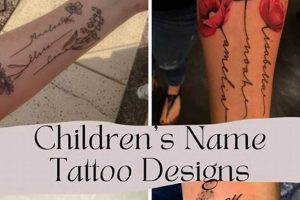
Personalization options include incorporating meaningful elements like birthdates, names, or quotes. Collaborating with an artist to customize color palettes, adjust sizing, or combine stylistic elements further ensures a unique and personally resonant design.
Question 4: What are the health and safety considerations associated with contemporary tattooing techniques?
Health and safety considerations include choosing a reputable, licensed studio adhering to strict hygiene standards. Ensuring sterilized equipment, single-use needles, and proper aftercare practices minimizes risks associated with infection and promotes optimal healing.
Question 5: How can one research the cultural significance or symbolism of a design before getting it?
Thorough research using reputable sources specializing in symbolism, mythology, and cultural traditions ensures informed design choices. Consulting with cultural experts or individuals with relevant lived experience provides valuable insights and prevents potential misappropriation or misrepresentation.
Question 6: What steps can be taken if an individual later regrets a trending tattoo choice?
Options for addressing tattoo regret include laser removal, cover-up designs, or fading techniques. Consulting with a skilled tattoo artist or laser removal specialist provides personalized advice and potential solutions based on individual circumstances.
Addressing these common inquiries empowers individuals to approach trending tattoo designs with informed perspectives, emphasizing the importance of research, careful planning, and collaboration with reputable professionals. This informed approach ensures a positive and meaningful tattoo experience.
This concludes the FAQ section. The following section will offer a concluding summary and final thoughts on navigating current trends in tattoo design.
Conclusion
This exploration of currently popular tattoo designs has provided a comprehensive overview of prevalent styles, encompassing minimalist aesthetics, nature-inspired motifs, geometric patterns, realistic portraits, watercolor effects, and symbolic imagery. Understanding the technical aspects, symbolic meanings, and practical considerations associated with each style empowers informed decision-making. Emphasis has been placed on the importance of thorough research, collaboration with reputable artists, and careful consideration of personal style and long-term implications.
The dynamic nature of tattoo trends necessitates ongoing exploration and thoughtful engagement. Ultimately, successful tattoo selection relies on aligning aesthetic preferences with personal narratives, ensuring a meaningful and enduring piece of body art that reflects individual expression and resonates with evolving artistic landscapes. Careful consideration of the insights presented herein facilitates informed choices and contributes to a positive and fulfilling tattoo experience.