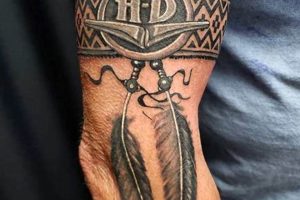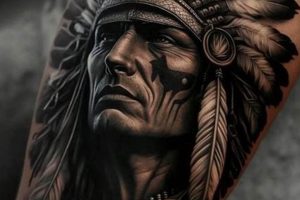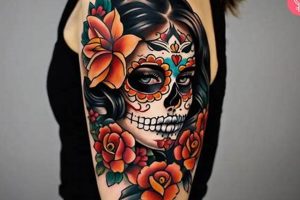



Circular designs in body art represent a diverse range of concepts, from minimalist symbols to intricate mandalas. Examples include ouroboros, encompassing infinity and cyclical processes, or simple linework representing wholeness and perfection. The adaptable nature of the circular shape allows for incorporation of diverse elements like geometric patterns, nature-inspired imagery, or personal symbols.
The enduring appeal of these designs stems from their symbolic richness and aesthetic versatility. Historically, circles have represented unity, cycles of life, and celestial bodies across various cultures. This inherent symbolism imbues these tattoos with profound meaning, allowing individuals to express complex ideas concisely. Furthermore, the clean lines and balanced form of circular tattoos lend themselves well to various body placements and artistic styles, offering broad creative potential.
Exploring specific design elements, cultural influences, and stylistic interpretations provides a deeper understanding of the creative possibilities within this category of body art. This exploration will delve into common themes and motifs, offering guidance for those considering such a design.
1. Symbolism

Symbolism plays a crucial role in circular tattoo designs, imbuing them with depth and personal meaning. The inherent circular shape itself carries universal symbolism, often representing wholeness, infinity, cycles of life and death, and the interconnectedness of all things. This foundational symbolism provides a rich canvas for further layers of meaning through incorporated elements. For example, a circle encompassing a tree might symbolize growth and resilience, while a circle containing a geometric pattern could represent balance and harmony. The choice of symbolism depends on individual narratives and desired messages.
Specific cultural and historical contexts further enrich the symbolic potential. Zen circles represent enlightenment and emptiness in Buddhist philosophy, while Celtic knots within a circle can signify eternal bonds and interconnectedness. Incorporating these established symbols adds layers of meaning recognizable to those familiar with the cultural context. Understanding the historical and cultural significance of chosen symbols ensures respectful and accurate representation, avoiding unintended misinterpretations. The ouroboros, a serpent or dragon eating its own tail, represents cyclical renewal and the eternal return, providing a potent symbolic choice.
Careful consideration of symbolism ensures the tattoo resonates with intended meaning. Effectively leveraging symbolic elements elevates circular designs beyond mere aesthetics, transforming them into powerful personal statements. This intentional approach contributes to a deeper appreciation for the art form and fosters a stronger connection between the individual and their chosen design. Choosing meaningful symbols ensures the tattoo remains a source of personal significance over time.
2. Placement

Placement significantly influences the overall impact of circular tattoo designs. The curvature of the body and the natural flow of muscle groups provide ideal canvases for circular artwork. Wrists, ankles, and forearms offer natural circular contours that complement smaller, simpler designs. Larger, more intricate circular pieces, like mandalas or back pieces, benefit from the broader, flatter surfaces of the back, chest, or thighs. Careful consideration of body contours ensures harmonious integration of the design, enhancing its visual appeal and allowing the circular form to flow naturally with the body.
Practical considerations also factor into placement decisions. Visibility preferences influence placement choices. Highly visible areas like the hands or neck make a bold statement, while more discreet locations like the ribs or back offer a sense of privacy. Placement also affects how the tattoo interacts with clothing. Designs on areas frequently covered by clothing may experience more friction, potentially impacting longevity. Further considerations include pain tolerance, as some areas are more sensitive than others. Consulting with a tattoo artist facilitates informed decisions based on individual preferences and anatomical factors.
Strategic placement maximizes the aesthetic and symbolic impact of circular tattoo designs. Harmonious integration with the body’s natural contours enhances visual appeal, creating a balanced and aesthetically pleasing composition. Understanding the practical implications of placement ensures the longevity and visual integrity of the tattoo, preserving its intended message and artistic impact over time. Thoughtful placement choices contribute to a more successful and personally meaningful tattoo experience.
3. Size
Size significantly impacts the design possibilities and overall effect of circular tattoos. Small, minimalist circles offer subtle elegance and suit intricate details or delicate placements like the wrist or ankle. These smaller designs often emphasize symbolism over visual complexity, conveying powerful messages through concise imagery. A small, unadorned circle, for instance, might represent wholeness or completion, while a tiny ouroboros could symbolize cyclical renewal.
Larger circular tattoos provide ample space for intricate details, complex patterns, and interwoven imagery. Mandalas, geometric patterns, and nature-inspired scenes benefit from the expanded canvas offered by larger sizes. Placement on the back, chest, or thigh accommodates these expansive designs. A large mandala, for example, could represent the universe, while a large circular design incorporating various animals might symbolize the interconnectedness of life. The increased surface area allows for greater artistic expression and the inclusion of multiple symbolic elements.
Careful consideration of size ensures the desired level of detail and visual impact aligns with the chosen design and placement. Scaling the design appropriately maintains clarity and prevents visual clutter. A detailed design shrunk too small might lose its impact, while a simple design enlarged excessively could appear simplistic or unbalanced. Proportionality between design elements and the overall size ensures visual harmony and effectively communicates the intended message. Ultimately, size selection contributes significantly to the aesthetic and symbolic success of the circular tattoo.
4. Style

Style significantly influences the aesthetic and expressive potential of circular tattoo designs. Various artistic styles lend themselves to circular compositions, each offering unique visual characteristics. Geometric styles emphasize precise lines, intricate patterns, and mathematical precision, creating visually striking and symmetrical designs. Dotwork utilizes clusters of dots to create shading and depth, resulting in a textured and nuanced appearance. Watercolor styles mimic the fluidity and vibrancy of watercolor paintings, producing dreamlike and ethereal effects. Linework styles prioritize clean, bold lines, often incorporating minimalist aesthetics or intricate details. Choosing a style aligned with personal aesthetics and the intended symbolism enhances the tattoo’s overall impact.
Examples of style choices illustrate their transformative effect. A mandala executed in a geometric style emphasizes symmetry and precision, creating a visually captivating and structured design. A floral circle rendered in a watercolor style conveys a sense of fluidity and organic beauty. A simple, unbroken circle in a minimalist linework style represents wholeness and simplicity. The interplay between style and subject matter creates diverse visual interpretations, allowing for a wide range of artistic expression. Matching the style to the intended symbolism enhances the tattoo’s narrative and strengthens its visual impact. A Celtic knot rendered in a traditional Celtic style, for example, carries greater cultural resonance than the same knot depicted in a modern geometric style.
Understanding the diverse stylistic options empowers informed decisions, ensuring the chosen style effectively communicates the desired message. Aligning style with personal aesthetics and symbolic intentions results in a cohesive and impactful piece of body art. Careful consideration of style contributes to a tattoo that resonates with personal meaning and stands as a unique artistic expression. The interplay of style and symbolism elevates circular tattoos beyond mere decoration, transforming them into powerful personal statements.
5. Complexity

Complexity within circular tattoo designs exists on a spectrum, ranging from minimalist simplicity to intricate detail. This spectrum allows for diverse artistic expression and caters to varying preferences. Simple circular designs, often featuring clean lines and minimal elements, convey a sense of elegance and understated sophistication. A single, unbroken circle, for example, can represent wholeness and completion, while a small, delicate floral design within a circle might symbolize growth and beauty. The impact of these simpler designs often lies in their symbolic meaning rather than visual complexity.
Increasing complexity introduces layers of detail, pattern, and symbolism. Intricate mandalas, geometric patterns, and interwoven imagery create visually captivating designs rich in symbolic meaning. The level of detail within these complex designs can significantly impact the time and skill required for execution. A highly detailed mandala, for instance, requires considerable artistic skill and precision, while a simpler geometric pattern might be more readily achievable. The choice of complexity should align with the individual’s pain tolerance, budget, and the desired visual impact. A large, intricate back piece requires a greater investment of time and resources than a small, minimalist wrist tattoo.
Managing complexity effectively is crucial for a successful tattoo design. Overly complex designs can appear cluttered and lose visual clarity, particularly in smaller sizes. Balancing detail with negative space maintains visual interest and prevents the design from feeling overwhelming. Careful planning and collaboration with a skilled tattoo artist ensures the desired level of complexity is achievable and aesthetically pleasing. Ultimately, the level of complexity contributes significantly to the overall impact and meaning of the circular tattoo, reflecting individual preferences and artistic vision.
6. Personalization

Personalization imbues circular tattoo designs with individual meaning, transforming them from generic symbols into unique expressions of personal narratives. This customization elevates the tattoo beyond aesthetic decoration, creating a permanent reminder of personal values, experiences, or beliefs. Incorporating personalized elements allows individuals to connect with their tattoos on a deeper level, fostering a stronger sense of ownership and meaning.
- Incorporating Names and Dates
Names of loved ones, significant dates, or meaningful quotes add a deeply personal touch to circular designs. Intertwining these elements with the circular motif creates a visual representation of enduring connections and cherished memories. A circle encompassing a child’s name and birthdate, for example, commemorates a significant life event, while a circle containing a quote from a beloved author reflects personal values and inspirations. These additions transform the tattoo into a permanent tribute or personal mantra.
- Meaningful Imagery
Integrating personalized imagery connects the circular design to individual experiences and passions. Elements representing hobbies, professions, or significant life events imbue the tattoo with personal symbolism. A musician might incorporate a musical note within a circle, while a nature enthusiast might choose a floral motif. These personalized images transform the tattoo into a visual representation of personal identity and passions, resonating with individual narratives.
- Birthstones and Zodiac Signs
Incorporating birthstones or zodiac signs adds astrological or symbolic significance. These elements connect the individual to broader cosmic or personal archetypes. A circle containing a birthstone represents personal characteristics associated with that stone, while a zodiac symbol within a circle connects the individual to their astrological sign. These additions imbue the tattoo with deeper layers of meaning, reflecting personal beliefs and connections to the wider universe.
- Cultural or Spiritual Symbols
Integrating symbols from personal cultural or spiritual backgrounds adds another layer of personalization. These symbols connect the individual to their heritage or belief system, imbuing the tattoo with cultural or spiritual significance. Incorporating a symbol from one’s ancestral homeland within a circle, for example, honors heritage and cultural identity. These personalized elements create a visual representation of deeply held beliefs and values, adding depth and complexity to the design.
By incorporating these personalized elements, circular tattoo designs become powerful statements of individuality and self-expression. These personalized touches transform the tattoo into a unique and meaningful piece of art that resonates deeply with the individual’s life story and personal values. The integration of personal elements elevates the circular design from a generic symbol to a deeply personal and meaningful expression of self.
Tips for Circular Tattoo Designs
Careful planning ensures a successful and meaningful circular tattoo. These tips offer guidance for navigating the design process.
Tip 1: Research Symbolism Thoroughly: Understanding the cultural and historical context of chosen symbols avoids unintended misinterpretations. Research ensures the selected symbolism aligns with intended meaning.
Tip 2: Consider Placement Carefully: Body contours and visibility preferences influence placement choices. Consider how the circular design interacts with the body’s natural curves and how clothing might affect its visibility.
Tip 3: Choose an Appropriate Size: Size dictates detail and overall impact. Small circles suit minimalist designs, while larger circles accommodate intricate details and complex imagery. Scale the design appropriately for the chosen placement.
Tip 4: Select a Style that Resonates: Various artistic styles, from geometric to watercolor, offer unique visual characteristics. Choose a style that complements the chosen symbolism and personal aesthetics.
Tip 5: Manage Complexity Effectively: Balance detail with negative space to avoid visual clutter. Overly complex designs can lose clarity, especially in smaller sizes. Consider the skill required for intricate designs.
Tip 6: Personalize the Design: Incorporate elements like names, dates, or meaningful imagery to create a unique and personal expression. Personalization adds depth and individual significance to the design.
Tip 7: Consult with a Reputable Artist: A skilled tattoo artist provides valuable insights and guidance. Discuss design ideas, placement options, and stylistic choices to ensure a successful and satisfying outcome.
Tip 8: Prioritize Aftercare: Proper aftercare ensures the longevity and vibrancy of the tattoo. Follow the artist’s instructions diligently to promote healing and prevent complications.
Following these tips contributes to a well-executed, meaningful, and visually appealing circular tattoo that resonates with personal significance for years to come.
These considerations facilitate informed decisions throughout the design process, ultimately leading to a tattoo that reflects individual style and personal narrative.
Frequently Asked Questions about Circular Tattoo Designs
This section addresses common inquiries regarding circular tattoo designs, providing clarity and guidance for those considering this form of body art.
Question 1: What is the symbolic significance of a circle in tattoo designs?
Circles often represent wholeness, infinity, cycles of life and death, and interconnectedness. Specific meanings vary based on incorporated elements and cultural context. A simple circle might represent perfection, while an ouroboros symbolizes eternal return.
Question 2: Where are circular tattoos typically placed?
Placement depends on size and design complexity. Wrists, ankles, and forearms suit smaller designs, while larger, intricate circular pieces often find placement on the back, chest, or thighs. Placement should consider body contours and visibility preferences.
Question 3: How does size affect a circular tattoo design?
Size dictates detail and visual impact. Smaller designs emphasize symbolism and simplicity, while larger designs accommodate intricate patterns and complex imagery. Proportionality is crucial for visual balance.
Question 4: What are common stylistic choices for circular tattoos?
Popular styles include geometric, dotwork, watercolor, and linework. Each style imparts unique visual characteristics. Geometric designs emphasize precision, while watercolor styles create fluid, dreamlike effects. Style choice should align with desired aesthetics and symbolism.
Question 5: How complex can circular tattoo designs be?
Complexity ranges from minimalist simplicity to intricate detail. Intricate designs require more time, skill, and potentially higher cost. Balancing detail with negative space prevents visual clutter. Design complexity should align with individual preferences and practical considerations.
Question 6: How can circular tattoos be personalized?
Personalization involves incorporating elements like names, dates, meaningful imagery, birthstones, zodiac signs, or cultural symbols. These additions imbue the design with personal significance, transforming it into a unique expression of individual narratives.
Careful consideration of these factors contributes to informed decisions and a successful tattoo experience. Consulting with a reputable artist facilitates further discussion and personalized guidance.
Exploring the diverse array of design possibilities within circular tattoos provides inspiration and direction for those embarking on their tattoo journey.
Circular Tattoo Designs
Exploration of circular tattoo designs reveals their versatility and rich symbolic potential. From minimalist expressions of wholeness to intricate mandalas representing the universe, these designs offer diverse avenues for personal expression. Key considerations include symbolism, placement, size, style, complexity, and personalization. Each element contributes to the overall aesthetic and narrative of the tattoo, transforming it from a simple adornment into a powerful statement of personal identity.
Circular tattoo designs offer a timeless canvas for individual narratives. The enduring symbolism of the circle, coupled with the vast possibilities for personalization and stylistic interpretation, ensures their continued relevance in the world of body art. Careful consideration of these elements empowers individuals to create meaningful and aesthetically compelling tattoos that resonate with personal significance for years to come.