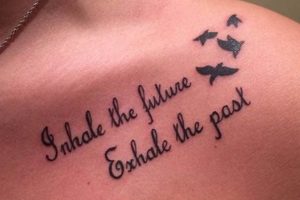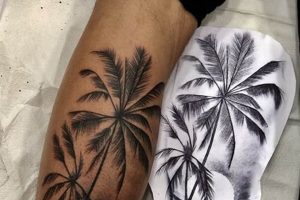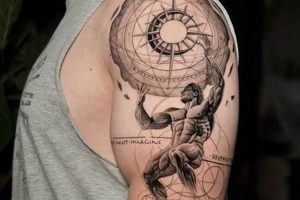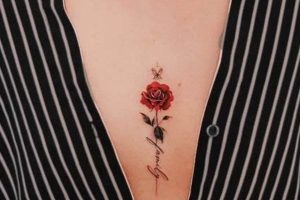



The concept of aesthetically pleasing and alluring body art encompasses a wide range of styles, placements, and imagery. For example, delicate floral designs, intricate lace patterns, or strategically placed script can be considered elements of this type of body art. The appeal often stems from the interplay of the design with the natural curves of the body, creating a visually captivating effect.
The increasing popularity of body art as a form of self-expression has led to a greater exploration of diverse aesthetic preferences. Body art that enhances perceived attractiveness can boost confidence and allow individuals to express their sensuality. Historically, certain cultures have utilized specific forms of body modification and adornment to signify attractiveness and social status, demonstrating a long-standing connection between body art and perceived allure.
Further exploration of this topic will delve into specific design elements, placement considerations, and the cultural influences that shape perceptions of beauty and allure in body art. This includes discussions of popular motifs, color palettes, and the role of artists in creating visually compelling and personally meaningful designs.
1. Placement

Placement is a critical factor in the overall aesthetic of body art intended to enhance allure. Strategic placement can draw attention to specific body parts, accentuate curves, or create a sense of mystery. The interplay between the design and the body’s natural contours contributes significantly to the perceived sensuality of the tattoo. For example, a design that follows the line of the collarbone or wraps around the ankle can be considered more alluring than a similar design placed elsewhere. The placement itself contributes to the visual appeal and overall impact.
Consideration of body mechanics and movement further enhances the effect of placement. A design placed on a frequently moving body part, such as the wrist or ribcage, can create a dynamic and captivating visual as the body moves. Conversely, a tattoo placed on a less mobile area, like the back or thigh, offers a more static and enduring presentation. Understanding these dynamics allows for a more deliberate and effective use of placement to achieve the desired aesthetic.
Ultimately, effective placement relies on a harmonious balance between the design, the individual’s body, and the intended message. Challenges can arise from individual body shapes and proportions, necessitating careful planning and consultation with a skilled artist. Effective communication between the client and artist ensures that the chosen placement complements the design and enhances its allure, resulting in a visually compelling and personally meaningful piece of body art.
2. Design Intricacy

Design intricacy plays a significant role in the perceived allure of body art. Intricate designs, characterized by detailed patterns, fine lines, and complex shading, often evoke a sense of elegance and sophistication. This complexity can contribute to the overall aesthetic appeal, capturing attention and drawing the viewer in for closer inspection. The level of detail can range from delicate lacework patterns to elaborate mandalas, each offering a unique visual experience. For example, a finely detailed floral design can appear more alluring than a simpler, bolder floral image due to the perceived artistry and precision involved in its execution.
The impact of design intricacy is further amplified by its interaction with placement and body flow. An intricate design strategically placed to follow the natural curves of the body can create a visually captivating effect, emphasizing the body’s form and adding an element of allure. This interplay between design and placement can be particularly effective in areas such as the spine, ribcage, or hip, where the contours of the body lend themselves to intricate and flowing designs. Consider the difference between a simple band around the wrist and an intricately woven bracelet design; the latter, through its detail, adds a layer of sophistication and visual interest.
However, the effectiveness of intricate designs relies heavily on the skill of the artist. Executing intricate details requires technical expertise and precision, ensuring clean lines, smooth shading, and a cohesive overall composition. Challenges can arise in translating intricate designs onto the curved surfaces of the body, requiring careful planning and execution to maintain the integrity of the design. The longevity of intricate tattoos also presents a consideration, as fine lines and details can be more susceptible to fading over time, necessitating touch-ups to maintain their visual impact. Therefore, selecting a skilled artist experienced in intricate designs is crucial for achieving a visually appealing and long-lasting result.
3. Symbolic Meaning

Symbolic meaning adds depth and personal significance to aesthetically appealing body art. While visual appeal plays a crucial role, the incorporation of symbolic elements can elevate a tattoo from a purely aesthetic adornment to a powerful expression of personal identity, sensuality, and desire. This imbues the tattoo with a deeper meaning, making it more than just a decorative element. For example, a serpent tattoo, often associated with temptation and transformation, can carry a sensual connotation, representing primal energy and allure. Similarly, a rose, traditionally a symbol of love and beauty, can represent passion and romance when incorporated into a tattoo designed to enhance attractiveness.
The choice of symbols can reflect individual preferences, experiences, and aspirations. Certain symbols, such as butterflies representing transformation or hearts symbolizing love, can be chosen to convey specific aspects of one’s personality or journey. Others might opt for symbols drawn from mythology, astrology, or personal belief systems, imbuing their body art with a deeper, more personal narrative. This personalization is key to the effectiveness of symbolic meaning in enhancing the allure of a tattoo. A design that resonates deeply with the individual’s sense of self will naturally exude confidence and sensuality, making it inherently more appealing. Consider the difference between a generic heart tattoo and one incorporating elements unique to the individual’s love story; the latter carries a weight of personal meaning that amplifies its aesthetic impact.
Integrating symbolic meaning effectively requires careful consideration and research. Understanding the cultural and historical context of chosen symbols is crucial, as misinterpretations can lead to unintended meanings. Collaboration with a skilled artist is essential to ensure the chosen symbols are visually represented in a manner that aligns with the intended message and overall aesthetic of the tattoo. Challenges can arise in balancing aesthetic appeal with symbolic depth, requiring a thoughtful approach to design and placement. Successfully integrating symbolic meaning enhances the allure of body art by adding layers of personal significance, transforming it into a powerful and enduring expression of self.
4. Body Flow

Body flow is a crucial element in aesthetically appealing body art, particularly when aiming to enhance allure. It refers to how a tattoo design interacts with the natural contours and movement of the body. A design that follows the body’s flow appears harmonious and integrated, enhancing the wearer’s form and creating a visually captivating effect. Conversely, a design that disrupts the body’s natural lines can appear disjointed and detract from the overall aesthetic. For example, a vine tattoo that gracefully winds around the arm, following the muscles’ curves, enhances the arm’s natural shape and creates a sense of fluidity. A similar design placed haphazardly across the same area would lack that cohesive, alluring quality.
The importance of body flow stems from its ability to create a sense of harmony and balance. A well-placed tattoo can emphasize the body’s natural curves, drawing attention to desirable features and creating an overall impression of elegance and grace. This can be achieved through various design elements, such as elongated lines, flowing curves, and strategically placed shading. Consider a design placed along the spine; a flowing script or a design that tapers towards the lower back can accentuate the natural curve of the spine and create a visually appealing elongation. In contrast, a large, blocky design in the same area might disrupt the body’s natural flow and appear less aesthetically pleasing. Understanding the interplay between design and body flow allows for a more nuanced and impactful approach to tattoo placement and design, particularly when aiming to enhance allure.
Achieving optimal body flow in tattoo design requires careful consideration of placement, design elements, and the individual’s unique anatomy. Challenges can arise from complex body shapes or pre-existing tattoos, necessitating a skilled artist’s expertise to create a cohesive and flattering composition. Successfully integrating body flow into a tattoo design elevates its aesthetic appeal, creating a visually harmonious and alluring result that complements the wearer’s form and enhances their natural beauty. It contributes to the overall impression of elegance, sophistication, and confidence, making the tattoo a truly integrated and personalized form of adornment.
5. Artistic Style
Artistic style significantly influences the perceived allure of a tattoo. Different styles evoke distinct aesthetic sensibilities, impacting how a tattoo complements the body and expresses individual sensuality. Selecting an artistic style aligned with personal preferences is crucial for achieving a visually compelling and personally meaningful result. The interplay between style, subject matter, and placement contributes to the overall impression of allure and sophistication.
- Realism
Realism focuses on accurate depiction of subjects, creating lifelike representations. In the context of alluring tattoos, realism can be employed to depict subjects with inherent sensual connotations, such as flowers, animals, or the human form. The detail and precision of realistic tattoos can enhance their visual impact and draw attention to the body’s contours. However, realism’s success relies heavily on the artist’s skill, as capturing intricate details and achieving lifelike representation requires technical expertise.
- Watercolor
Watercolor tattoos mimic the visual effect of watercolor paintings, characterized by soft, flowing lines and vibrant color gradients. This style lends itself well to creating dreamy, ethereal designs that can enhance perceived femininity and romance. The fluidity of the watercolor style can complement the body’s natural curves, creating a harmonious and alluring aesthetic. However, the delicate nature of watercolor tattoos requires careful consideration of placement and color choices to ensure longevity and prevent premature fading.
- Geometric
Geometric tattoos employ precise lines, shapes, and patterns to create visually striking designs. This style can evoke a sense of modernity, symmetry, and precision. Geometric designs can be strategically placed to accentuate body lines and create a sense of balance and harmony. The clean lines and bold shapes of geometric tattoos can project an image of confidence and control, contributing to a sense of allure. However, the precision required for geometric designs necessitates a skilled artist to ensure clean execution and prevent visual distortions.
- Traditional
Traditional tattooing, with its bold lines, vibrant colors, and iconic imagery, offers a classic and enduring aesthetic. Traditional designs often feature symbolic imagery, such as roses, anchors, and swallows, which can be imbued with personal meaning and enhance the tattoo’s allure. The bold lines of traditional tattoos tend to age well, ensuring the design remains visually appealing over time. However, the boldness of traditional tattoos might not be suitable for everyone, particularly those seeking a more subtle or delicate aesthetic.
Ultimately, the choice of artistic style contributes significantly to the overall aesthetic and allure of a tattoo. By carefully considering the various styles available and selecting one that aligns with personal preferences and desired aesthetic, individuals can create body art that enhances their natural beauty, expresses their sensuality, and reflects their unique personality. A skilled artist can guide the selection process, ensuring the chosen style complements the individual’s body, desired imagery, and intended message, resulting in a harmonious and captivating piece of body art.
6. Personal Expression

Personal expression forms the foundation of aesthetically appealing and alluring body art. While general trends and societal perceptions of attractiveness exist, the ultimate power of a tattoo lies in its ability to reflect the wearer’s unique personality, desires, and sensuality. This personal connection transforms the tattoo from mere adornment into a powerful statement of self, enhancing its allure through genuine self-acceptance and confidence. A tattoo chosen solely to conform to external standards of attractiveness may lack the depth and resonance of one that genuinely reflects the individual’s inner self. For instance, a woman might choose a tattoo of a mythological siren, not solely for its perceived sexiness, but to express her connection to themes of feminine power, mystery, and allure, thereby imbuing the image with personal significance and amplifying its impact.
The effectiveness of personal expression in enhancing allure stems from its ability to convey authenticity. A tattoo that aligns with an individual’s deeply held values, passions, or experiences resonates with a sense of truth and confidence. This genuine self-expression radiates outward, enhancing perceived attractiveness and creating a magnetic appeal. Consider two individuals with similar “sexy” tattoos: one chose it simply because it was trendy, while the other chose it because it symbolizes a personal triumph or embodies a cherished value. The latter’s tattoo, fueled by personal meaning, will likely be perceived as more alluring due to the confidence and authenticity it projects. This underscores the importance of prioritizing personal meaning over simply following trends when choosing body art intended to enhance allure.
Successfully leveraging personal expression in tattoo design requires introspection and a willingness to explore one’s inner landscape. Challenges can arise from societal pressures or fear of judgment, potentially leading individuals to choose designs that conform to external expectations rather than reflecting their true selves. Overcoming these challenges involves embracing individuality and prioritizing personal meaning. Ultimately, a tattoo that genuinely expresses the wearer’s unique identity and sensuality becomes an extension of their self-confidence, enhancing their allure and creating a powerful and lasting statement of personal power. This understanding transforms the process of choosing a tattoo from a purely aesthetic exercise into a journey of self-discovery and empowerment.
Tips for Achieving Alluring Body Art
Careful planning is essential for creating body art that enhances allure. The following tips provide guidance for navigating the process effectively.
Tip 1: Research Thoroughly
Thorough research is paramount before committing to a design. Explore various artistic styles, motifs, and placements to determine what resonates with personal aesthetics and desired level of allure. Consider the symbolism associated with different images to ensure the chosen design aligns with the intended message.
Tip 2: Consult with a Reputable Artist
A skilled artist plays a vital role in bringing a vision to life. Consult with multiple artists to find one whose style and expertise align with the desired aesthetic. A reputable artist can provide valuable insights regarding placement, design elements, and technical considerations.
Tip 3: Prioritize Placement
Placement significantly impacts the overall allure of a tattoo. Consider how the design will interact with the body’s natural contours and movement. Strategic placement can accentuate desirable features and create a harmonious flow between the tattoo and the body.
Tip 4: Consider Longevity
Tattoos are a long-term commitment. Consider the longevity of the chosen design and its potential for fading or distortion over time. Discuss aftercare procedures with the artist to ensure the tattoo maintains its visual appeal for years to come.
Tip 5: Embrace Personal Meaning
Infuse the design with personal meaning to enhance its allure. A tattoo that reflects individual values, experiences, or aspirations resonates with authenticity and confidence, making it inherently more captivating. Prioritize personal significance over fleeting trends to create a truly meaningful and alluring piece of body art.
Tip 6: Balance Intricacy and Simplicity
Intricate designs can be visually captivating, but excessive detail can sometimes detract from the overall aesthetic. Strike a balance between intricacy and simplicity to create a design that is both visually appealing and enduring. Consider the size and placement of the tattoo when determining the appropriate level of detail.
Tip 7: Reflect on Color Palette
Color choice contributes significantly to the overall impact of a tattoo. Consider the desired mood and aesthetic when selecting colors. Vibrant colors can create a bold and eye-catching effect, while muted tones can evoke a sense of subtlety and elegance. Discuss color options with the artist to ensure the chosen palette complements the design and skin tone.
By following these tips, individuals can navigate the process of choosing and designing a tattoo with greater confidence, resulting in body art that enhances their natural allure and serves as a powerful expression of personal style and sensuality.
The subsequent conclusion will synthesize the key themes discussed and offer final recommendations for those seeking to enhance their allure through aesthetically appealing body art.
Frequently Asked Questions
This section addresses common inquiries regarding aesthetically appealing and alluring body art.
Question 1: How does tattoo placement contribute to perceived allure?
Strategic placement accentuates body contours and draws attention to specific areas. Placement choices should complement the design and the individual’s anatomy, enhancing the overall aesthetic impact.
Question 2: What design elements contribute to a “sexy” tattoo?
Design elements such as intricate details, flowing lines, and symbolic imagery can contribute to a tattoo’s allure. The choice of elements depends on individual preferences and the desired aesthetic.
Question 3: Can certain tattoo styles be considered more alluring than others?
While allure is subjective, certain styles like fine line, ornamental, or watercolor can be perceived as more delicate and sensual. Ultimately, the most alluring style is one that resonates with the individual’s personal aesthetic.
Question 4: How does personal meaning influence the allure of a tattoo?
A tattoo imbued with personal meaning reflects authenticity and confidence, enhancing perceived attractiveness. Genuine self-expression contributes significantly to a tattoo’s allure.
Question 5: What are the potential risks of getting a tattoo solely for its perceived sexiness?
Focusing solely on perceived sexiness can lead to regret if personal meaning and individual preferences are not considered. Trends change, and a tattoo chosen solely for its current popularity may lose its appeal over time.
Question 6: How can one ensure a tattoo intended to be alluring remains visually appealing over time?
Proper aftercare, including sun protection and moisturizing, is crucial. Selecting a skilled artist experienced in creating long-lasting tattoos also contributes to maintaining the design’s visual integrity.
Careful consideration of these frequently asked questions empowers individuals to make informed decisions about their body art, ensuring a result that enhances their natural allure and reflects their unique personality.
The following conclusion provides a concise summary of key takeaways and final thoughts on achieving aesthetically appealing and alluring body art.
Conclusion
Exploration of aesthetically appealing and alluring body art reveals the interplay of various factors, including placement, design intricacy, symbolic meaning, body flow, artistic style, and personal expression. Strategic placement accentuates the body’s natural contours, while intricate designs add visual interest and complexity. Symbolic meaning imbues tattoos with personal significance, enhancing their allure through individual narratives. Harmonious integration with body flow ensures the design complements the wearer’s form, creating a visually captivating effect. The chosen artistic style contributes to the overall aesthetic, reflecting individual preferences and desired levels of boldness or subtlety. Ultimately, personal expression lies at the heart of alluring body art, transforming tattoos into powerful statements of self-confidence and sensuality.
Body art serves as a canvas for self-expression and empowerment. Careful consideration of these elements allows individuals to create body art that enhances natural allure, reflects personal narratives, and celebrates individuality. The enduring power of aesthetically appealing body art lies in its ability to merge personal meaning with visual appeal, creating a lasting testament to confidence, sensuality, and self-acceptance.